


As the urban landscape of Singapore continues to evolve, so do the transportation options available to its residents. Among these, the rise of the ebike has sparked a heated debate regarding its value as a mode of transport. The time saved when cycling on an ebike, which can cover a 6km distance in just 20 minutes, stands in stark contrast to the slower bus and car travel times during peak hours. This blog will delve into various facets of e-bikes ownership in Singapore, helping you decide if it’s the right choice for your lifestyle.
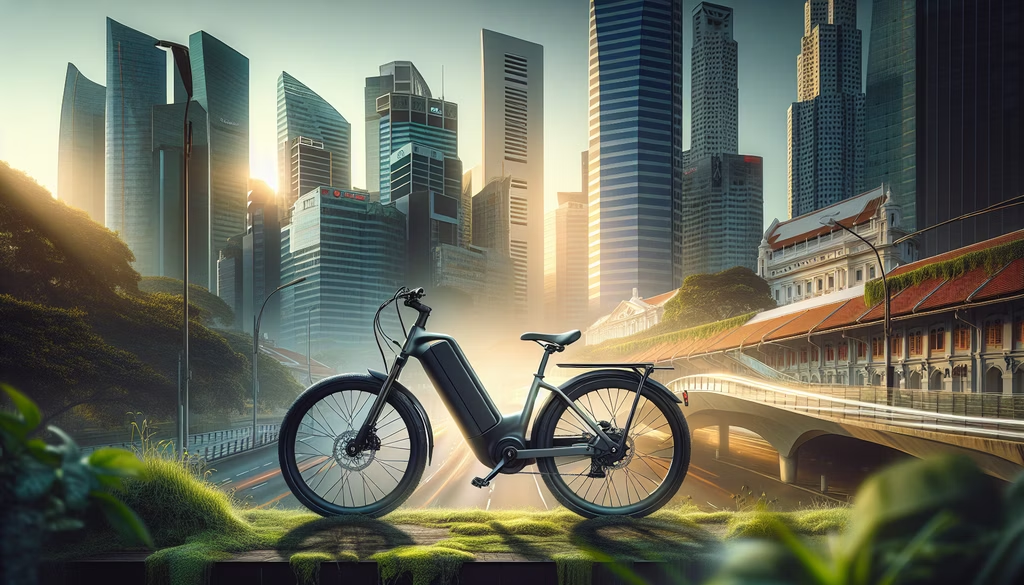
Understanding the Cost of Owning an Ebike
When considering the cost of owning an e-bikes in Singapore, one of the primary factors is the initial investment. An e-bikes typically costs around $1,499, and with proper care, you can expect to use it for approximately two years before the battery begins to deteriorate. Given some considerations of general wear and tear maintenance it will cost you about $3/day).
In comparison to Grab car, the entry-level fares start at $2.50, with costs increasing based on distance and time, making a short 6km trip not only time-consuming in peak traffic but also potentially expensive. A single 6km trip on Grab car will cost $5-6 per trip based on non-waiting traffic. When multiple rides are considered or during peak hour and traffic waiting these fares increases.
Public buses offer a more economical option at $1.40 for the same 6km distance, but the total travel time can extend up to 45 minutes, including waiting. Therefore, while the upfront cost of an e-bikes may seem high, regular usage can yield savings over time compared to relying on rideshare services or public transport. In addition to the financial aspect, owning an e-bikes brings several practical advantages. For starters, a typical 6km ride on an e-bikes can take only around 20 minutes, making it a far quicker alternative, especially in peak hour traffic.
Furthermore, you get the added bonus of incorporating exercise into your daily routine by cycling, which is not something you would typically get from rideshare or bus travel. Additionally, owning an e-bikes eliminates concerns about parking fees and searching for parking space, ideal for completing short errands swiftly across the city. Ultimately, the decision should reflect individual lifestyle preferences and commuting habits, but owning an e-bikes might prove to be an enriching and efficient investment in Singapore.
Comparing Travel Costs: Ebike vs Grab vs Bus
When evaluating the total investment and the value you gain, the cost of an e-bikes averages around $1,499, which can serve multiple purposes beyond transportation, such as providing a means for exercise. While parking fees and the inconvenience of finding a parking spot still apply, the advantages of using an e-bikes reduced transport fees—underscore its worth. The e-bikes can seamlessly fit into a lifestyle that includes running short errands, making it an attractive alternative amidst rising travel costs in Singapore.
Time Efficiency: Who Wins the Commuting Race?
When it comes to commuting efficiency in Singapore, e-bikes have distinct advantages over traditional modes of transportation such as Grab and buses. Riding an e-bikes for a 6km journey takes just about 20 minutes, making it the fastest option when compared to a car ride that can take up to 30 minutes in peak hour traffic, or a bus ride that may stretch to 45 minutes when factoring in waiting times.
This significant time savings can greatly enhance your daily routine, allowing you to allocate more time to other important aspects of your life or even squeeze in some exercise during your commute. Moreover, using an e-bikes not only saves you time but also doubles as a means of physical exercise, transforming your daily trips into an opportunity for fitness.
In contrast, relying on services like Grab can become a financial burden, especially considering the additional costs associated with surge pricing and waiting times. Thus, for those looking for an efficient, cost-effective, and healthier commuting option, investing in an e-bikes could clearly be a worthwhile decision in the bustling urban landscape of Singapore.
Health Benefits of Cycling: More than Just Transportation
Investing in an e-bikes in Singapore offers significant health benefits that extend beyond mere transportation. Cycling is not only an eco-friendly mode of transport, but it also doubles as an excellent form of exercise. With an e-bikes you can engage in moderate physical activity without overwhelming exertion, making it ideal for both fitness enthusiasts and those new to cycling.
Regular cycling has been shown to improve cardiovascular health, boost mental well-being, and enhance overall stamina. In a fast-paced urban environment like Singapore, incorporating physical activity into your daily routine can make a substantial difference in managing stress and improving general health. Moreover, the flexibility of ebiking allows for short errands or commutes without the hassle of finding parking or dealing with parking fees, which can be cumbersome when using a car.
It serves as a quick and efficient way to get around, all while promoting an active lifestyle. This combination of practicality and fitness makes e-bikes a compelling option for many Singaporeans, particularly in balancing the demands of urban living with personal health goals.
Parking Considerations for Ebike Owners
Parking considerations play a significant role in determining whether owning an e-bikes is a practical investment in Singapore. Unlike cars, which often require spacious parking spaces and incur hefty parking fees, e-bikes can be parked more conveniently in smaller, designated spots or even securely stored in your home or office. This not only alleviates the stress of finding suitable parking in densely populated areas but also saves you money on parking costs.
Furthermore, as e-bikes are gaining popularity, many public areas and facilities are beginning to adapt, providing more bicycle and e-bikes parking options. Moreover, the versatility of e-bikes makes them ideal for quick errands around the city. When engaging in short trips, e-bikes riders can bypass the hassle of traditional parking spaces. They are lightweight and easy to maneuver, allowing users to park closer to their destinations.
This advantageous feature, combined with the effective use of time, can revolutionize the way you traverse Singapore. With an e-bikes not only do you save on parking and travel expenses, but you also contribute positively to your health by incorporating cycling into your daily routine. Overall, these parking considerations greatly enhance the practicality and appeal of owning an e-bikes in the urban environment of Singapore.
Integrating Ebike Usage into Daily Errands
e-bikes has become a game-changer for those looking to integrate sustainable and efficient transportation into their daily lives. With their pedal-assist systems and eco-friendly design, e-bikes running errands not only more convenient but also more enjoyable. They offer a practical solution for individuals who want to avoid traffic congestion, reduce transportation costs, and incorporate a bit of physical activity into their routines.
One of the key advantages of using an e-bikes daily errands is its versatility. e-bikes seamlessly navigate through urban environments, allowing riders to make quick trips to grocery stores, pharmacies, or nearby cafes. With options to attach baskets, panniers, or trailers, they offer ample storage space for carrying groceries or other essentials. Their compact design also makes parking and storage far easier compared to traditional cars, eliminating the stress of finding a parking spot in busy areas.
In addition to convenience, e-bikes significantly to cost savings and environmental sustainability. By replacing short car trips with e-bikes rides, users can save on fuel and parking fees while reducing their carbon footprint. This is especially important in densely populated cities like Singapore, where promoting green transportation options aligns with national efforts to build a more sustainable future. The low energy consumption of e-bikes their ability to be charged at home further enhance their cost-effectiveness.
Longevity and Maintenance of Ebikes in Singapore
When considering the longevity and maintenance of e-bikes in Singapore, it’s essential to acknowledge that they are designed for durability. Most e-bikes come with an average cost of $1,499 and typically last around two years before their batteries begin to deteriorate. However, with proper care and regular maintenance, owners can often extend both the lifespan of their batteries and their overall performance, making e-bikes a viable long-term investment.
This reduces the need for continuous purchase or reliance on public transport, which may also fluctuate in price and availability with time. Furthermore, the maintenance of an e-bikes is considerably less than that of a car, as it incurs no parking fees or toll charges, especially given Singapore’s strict parking regulations.
For instance, while Grab fees can accumulate quickly during peak hours, choosing an e-bikes means less hassle and more freedom from waiting times associated with public transport. Overall, owning an e-bikes not only offers financial benefits in terms of lower operational costs but also provides an enjoyable exercise option for improving fitness in an urban environment.
Final Thoughts on Investing in an Ebike
After weighing the costs and benefits of owning an e-bikes in Singapore, it becomes clear that this investment offers significant advantages for commuters. With an average cost of $1,499, an e-bikes can save you considerable money over time compared to Grab fares—especially during peak hours. Beyond mere cost savings, cycling also promotes fitness and provides a quicker commute time, taking only about 20 minutes for a 6km distance compared to the longer durations of Grab or bus rides.
Furthermore, the e-bikes can serve not only as a mode of transportation but also as a means of exercising and enhancing your overall health and lifestyle. However, it’s essential to consider your personal situation, such as the availability of parking and how often you might be using it for short errands.
While the upfront cost may seem high, the long-term savings on transportation and the added benefits of fitness and time efficiency make e-bikes a compelling alternative for many in urban Singapore. Ultimately, if you value these aspects and are ready to make the switch, investing in an e-bikes could indeed be worth every penny.
Ebikes seem like a great option for short trips, but what about the safety aspect? More emphasis on safety features in ebikes would be appreciated.
I couldn’t agree more with the blog’s analysis on eBikes. I’ve been using mine for a year now and the savings and convenience have been immense!
Thank you, Ahmad Kamar, for sharing your positive experience with our e-bikes! We’re thrilled to hear that our analysis resonated with you. The financial savings and convenience of e-biking are just a few of the many benefits our customers have reported. Would you like to contact us to learn more about our e-bike options and how we can help you find the perfect ride for your needs? You can reach us at [email protected] or +65 6589 8877.
I like how the blog mentioned parking. It’s always so hard to find parking for cars, but with an ebike, you can just lock it and go. That’s really a big plus for me.
I’m interested in using an ebike for my daily commute, but how difficult is it to maintain an ebike over time in Singapore’s weather? Will the rain and humidity spoil the battery quickly?
Great question, Leong. Ebikes sold by Escooter Singapore are built to withstand Singapore’s humid and rainy conditions, but it’s best to store your bike indoors or under shelter when not in use. With regular maintenance like checking tire pressure, cleaning the chain, and keeping the battery dry, you can keep your ebike running smoothly for years—rain and humidity typically won’t damage it if you follow these basic care tips.
The blog does a fantastic job highlighting the real savings and time you get with an ebike in Singapore. Honestly, cutting my 6km commute from 40 minutes on a bus to just 20 on an ebike is a game-changer, especially during the morning rush. The exercise you get is like a bonus on top of the convenience, and it’s nice to feel a bit healthier after my daily travels.
When you factor in traffic jams, the hassle of finding parking, and rising Grab fares, the upfront price of $1,499 starts to make sense. You avoid parking fees, spend less time stuck waiting, and have the flexibility to run errands easily. For busy Singaporean lifestyles, I think the ebike strikes just the right balance between saving money and making everyday routines simpler.
But what if you need to carry heavy stuff or it rains? Not everyone wants to cycle in unpredictable weather, and ebikes still struggle with bad road conditions. Plus, $1,499 is a steep initial cost for something that may only last two years before needing a new battery. Isn’t public transport or even Grab better for families or people with more baggage?
That’s a fair point, but most ebikes now can be fitted with baskets and carriers to handle more weight. For rain, you just need a poncho or wait out the worst of the weather, same as with walking. And for the cost, the daily savings on Grab or cab rides can really add up, covering the investment after a year or so.
Still, some people have physical issues or older folks may not be comfortable cycling at all, even with assist. Ebike storage at HDBs is another concern because there’s not always a secure spot. The daily savings make sense only if you really use it every day.
Maintenance of the ebike might also become a hassle if you have a busy schedule. Not everyone is comfortable with small repairs or bringing the bike for servicing often.
And for heavy rain, what about the risk of battery damage? Even with ponchos, the roads can get slippery and dangerous, especially during monsoon season.
Most ebikes sold here are designed with weather protection, but of course, going slow and careful is important. On super rainy days, you can just switch to the bus or MRT.
You’re right, safety is something to think about. But same problem with walking, right? At least with an ebike, you can avoid being late by choosing the best route.
Can the savings still be justified if someone only uses the ebike for weekend trips and not daily commutes? Seems like it makes sense only if you use it a lot. Otherwise, public transport is way cheaper and more convenient.
Valid question! For occasional use, maybe an ebike isn’t as clear a win financially, but you still get flexibility and the chance to avoid crowded MRTs or buses whenever you want. If convenience and time saved matter to you, even just on weekends, it’s still a strong option.
Plus, ebike resale value drops really quickly, so it’s risky as an investment if you’re not a regular rider.
But then there’s also repair costs and chance of theft to consider. The hassles may outweigh the benefits for casual users.
Can always use a good lock and insurance for theft. Regular use makes owning much more worth it, but even for weekend riders, those perks can tip the scale.
Let’s try to stay on the topic of ebike investment and daily commuting, folks. Please focus on sharing actual user experiences with costs, time savings, or maintenance, not resale or insurance details. Thanks!
Honestly, the time saved with an ebike really caught my eye. In a busy city like Singapore, I feel that every minute counts, so I think giving ebikes a try is quite practical for daily commuting.