


Thinking of buying PMA for elderly? As our loved ones age, ensuring their mobility and independence becomes an essential priority. In Singapore, where urban living can present unique challenges for seniors, e-mobility devices have emerged as a beacon of hope. These innovative solutions not only facilitate easier transportation but also provide the elderly with the freedom to explore their surroundings, enhancing their quality of life. In this blog post, we will delve into the top five e-mobility devices specifically designed for seniors, examining how these technologies cater to their needs, safety, and comfort. From electric scooters that enable swift transit to electric wheelchairs that offer stability and support, the choices available can be overwhelming. However, understanding the unique requirements of seniors can make the decision-making process much simpler. In Singapore, a country dedicated to inclusivity and accessibility, embracing these devices can lead to greater independence for older adults. Join us as we explore these remarkable e-mobility options that not only keep our seniors active but also empower them to lead fulfilling lives in their golden years.
The Rise of Micro-Mobility for the Elderly in Singapore
The concept of micro-mobility has gained significant traction in Singapore, especially among the elderly and differently-abled individuals. Micro-mobility refers to lightweight, often electric, personal transportation devices such as scooters, wheelchairs, and foldable aids that are designed to be navigable in urban settings. By offering efficient alternatives to traditional mobility methods, these devices empower seniors, providing them with the freedom to move around independently. This newfound autonomy not only enhances their quality of life but also helps combat social isolation by making it easier for them to engage in community activities and access essential services. The rise of micro-mobility has heralded a transformative shift, aligning perfectly with Singapore’s commitment to building an inclusive society, where all individuals can thrive regardless of their mobility challenges.
As more seniors and mobility-challenged riders embrace these innovative e-mobility devices, it is crucial to understand how to choose the right Personal Mobility Aid (PMA). Factors such as weight, comfort, and battery performance play an essential role in determining the most suitable device for an individual’s needs. Moreover, after-sales support and maintenance options can significantly influence the longevity of these devices. By prioritizing these elements, seniors can enjoy the benefits of micro-mobility and gain greater independence while navigating Singapore’s vibrant urban landscape with confidence.
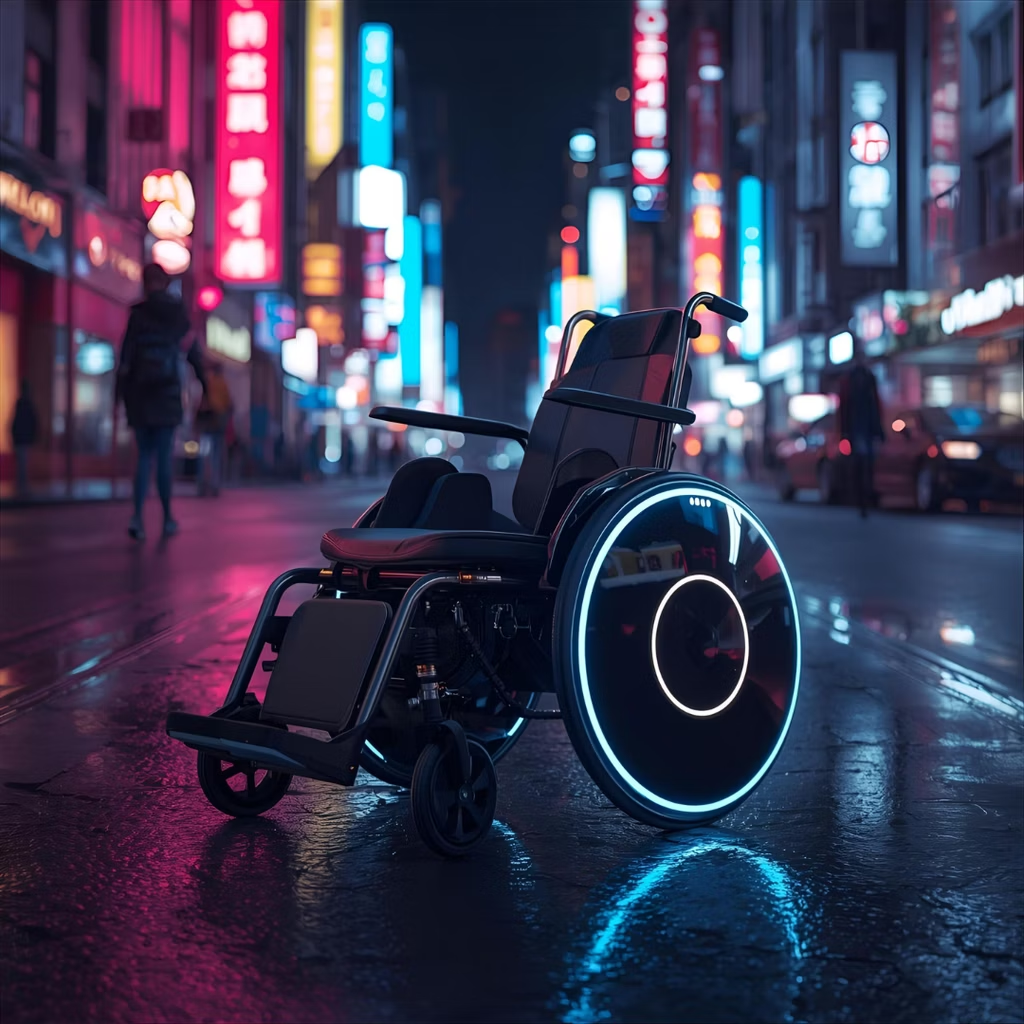
Eko Life’s Top Picks: E-Mobility Devices for Seniors
Eko Life takes pride in offering an extensive selection of Personal Mobility Aids (PMAs) that cater specifically to the needs of seniors and mobility-challenged individuals in Singapore. Our lineup of e-mobility devices includes foldable scooters and lightweight wheelchairs that emphasize user-friendly features. For instance, the eDegree SS7 AeroFold 4-Wheel Mobility Scooter boasts a lightweight, foldable design and long battery life, ensuring ease of use and extended mobility for seniors. Meanwhile, the eDegree EW3 Lightweight Electric Wheelchair provides exceptional comfort with adjustable seating and ergonomic support, making it an ideal choice for daily use. Each of these devices has been carefully selected to promote independence, safety, and dignity for our elderly population, confirming our commitment to enhancing their quality of life. Additionally, we delve into how micro-mobility solutions can further empower this demographic, bridging gaps in transportation and social interactions.
When selecting a mobility device, several factors must be considered to ensure it meets the unique requirements of the user. Prospective buyers should compare key aspects like weight for transport convenience, comfort level during use, and the performance of the battery for longevity. Eko Life offers comprehensive after-sales services and maintenance options, ensuring seniors can rely on their devices for years to come. Understanding these specifications allows caregivers and family members to make informed decisions, ultimately leading to an improved lifestyle for our beloved seniors. With Eko Life’s guidance and highly rated PMAs, age and mobility challenges need not limit one’s freedom in Singapore.
Choosing the Right Mobility Device: Key Considerations
Choosing the right mobility device for seniors is crucial, as it directly impacts their independence and quality of life. It’s important to assess individual needs by considering factors such as mobility limitations, physical fitness, and personal preferences. For example, while some elderly individuals may benefit more from a lightweight foldable scooter for easy transport, others might require a robust wheelchair that offers more support. In addition to personal health considerations, the environment plays a significant role; navigating bustling Singapore streets or accessing public transport can be challenging without the right device. Seniors should reflect on their daily routines and how often they will be using the mobility device before making a decision.
Furthermore, lifestyle considerations should not be overlooked when selecting an e-mobility device. Comfort and usability are paramount; for instance, the weight of the device impacts maneuverability, while battery performance can determine its practicality for longer excursions. After-sales support and maintenance are also key elements to think about, as these can ensure the longevity and reliability of the chosen PMA (personal mobility aid). By taking into account these essential factors, seniors can make a well-informed decision that enhances their mobility and reinforces their independence in Singapore’s urban landscape.
A Comparative Analysis: Weight, Comfort, and Battery Performance
When considering e-mobility devices for seniors, weight, comfort, and battery performance are crucial criteria. Lightweight scooters or wheelchairs are easier to maneuver and transport, making them ideal for elderly users who may have limited strength. For instance, foldable aids typically weigh less and allow for simple storage and transportation, which is particularly beneficial for individuals who may need to transport their device in private vehicles or public transport. Comfort is also paramount; devices that feature ergonomic designs and cushioned seating can help prevent fatigue during prolonged use, enhancing the overall user experience. Seniors should evaluate the comfort levels and how easily they can get in and out of the device, as this might significantly affect their independence and willingness to use the device regularly.
Battery performance is another vital factor to consider, as every senior’s mobility needs can vary greatly. E-mobility devices with longer-lasting batteries provide the freedom to travel longer distances without the worry of running out of power. It’s essential to compare the battery life across different models from Eko Life’s top PMAs to ensure that the selected device aligns with the individual’s daily activities. By focusing on these metrics, seniors can make informed choices that best cater to their specific requirements, enhancing their mobility and independence in Singapore.
Importance of After-Sales Support and Maintenance
After purchasing a Personal Mobility Aid (PMA) such as a wheelchair or scooter, the importance of after-sales support and maintenance becomes paramount for seniors and their caregivers. These devices, designed to enhance mobility and independence, require ongoing care to ensure their longevity and optimal performance. Having access to professional service providers who specialize in e-mobility devices is crucial. They help in regular maintenance checks, which include battery inspections, wheel alignments, and software updates. Investing time in proper after-sales care can mitigate potential issues, enhancing the overall user experience and maintaining device reliability.
Real User Experiences: Testimonials and Case Studies
Real user experiences truly highlight the transformative power of e-mobility devices for seniors in Singapore. For instance, one elderly user, Mr. Tan, shares how his new electric scooter has significantly improved his independence. He often recalls the days before he made the switch; he would hesitate to leave his home because of mobility constraints. With his scooter, however, he feels empowered to visit his friends and participate in community gatherings, reclaiming a sense of normalcy in his life. This testimonial not only illustrates the practical advantages of mobility devices but also emphasizes the emotional uplift they provide, turning challenges into opportunities for social engagement and personal growth.
Another compelling case comes from Ms. Lee, who utilizes a foldable mobility aid to navigate her bustling neighborhood. During a walking group session, she discovered how her PMA allows her to keep up with her peers and enjoy outdoor activities without fatigue. According to her, the lightweight design and excellent battery performance enable her to explore various local parks effortlessly. These narratives serve to emphasize that choosing the right mobility device can profoundly enhance quality of life for seniors, proving that e-mobility solutions go beyond mere transportation—they facilitate a renewed zest for life and foster a robust sense of community among the elderly.
Empowering Independence: The Future of Mobility for Seniors and the Differently-Abled
In conclusion, as Singapore continues to prioritize the well-being of its elderly population, e-mobility devices are revolutionizing the way seniors maintain their independence and mobility. The top picks highlighted in this post not only offer practical solutions but also enhance the quality of life for seniors by promoting outdoor activity and social interaction. Whether it’s a lightweight scooter or a more robust electric wheelchair, each device plays a pivotal role in empowering elderly individuals to navigate their neighborhoods comfortably and safely, ultimately fostering a sense of freedom and confidence in their daily lives.
As we embrace these innovative technologies, it is essential for caregivers, family members, and the community to be informed and supportive, ensuring that our seniors can access and utilize these devices effectively. By doing so, we contribute to a more inclusive society that values the dignity and autonomy of our elderly citizens. Investing in e-mobility solutions is not just about providing mobility; it’s about enhancing the overall lifestyle of our seniors, allowing them to engage meaningfully with the world around them.
I really enjoyed reading this blog because it highlights how e-mobility devices can make a huge difference for seniors in Singapore. So many elderly folks just want that little bit of freedom to move around and the options listed here seem perfect for that. It’s also great to see Eko Life focusing on different needs like comfort, portability, and after-sales support, which a lot of people overlook.
The personal stories were touching too, especially how these devices help seniors regain confidence and stay social. I feel this kind of technology is key to keeping our elderly active and independent. With more families learning about these choices and getting proper guidance, I think more seniors will lead happier, healthier lives.
It sounds promising, but don’t you worry about safety issues, especially with seniors using scooters on busy paths? Accidents can happen so fast. How do we really know these devices are safe for fragile seniors, especially when public spaces are quite crowded in Singapore?
You’re right, safety is always a top concern, but many of these devices are designed with features like speed limits, bigger wheels, and strong brakes for stability. Also, companies usually offer proper training and clear instructions for new users. If families supervise in the beginning and choose the right device based on the senior’s ability, it can really reduce the risks.
That’s true, but not all families will know what to look for or have the time to supervise constantly. Maybe shops or the government should do more—like mandatory classes before letting elderly people use these devices?
What about public awareness? Sometimes younger people on paths don’t respect slower vehicles either. It should be a shared responsibility, don’t you think?
My concern is maintenance over time. Elderly might struggle with keeping these devices in good condition, and a faulty scooter can be extra dangerous. Does Eko Life give long-term support or just initial service?
According to the article, after-sales support is a major feature for these products, and Eko Life seems committed to providing that. Regular check-ups and servicing can help, but maybe caregivers should be closely involved, at least with scheduling maintenance.
I wonder if MOH or community centres can help seniors with regular health checks—not just for health but for their mobility devices too. It will go a long way in ensuring safety.
Interesting points about independence, but I think many seniors may reject these devices because they fear losing dignity or feel embarrassed. Social stigma is still strong here. How do you think families should address this psychological barrier?
That’s a valid concern. Maybe showing real-life examples—like Mr. Tan and Ms. Lee from the blog—can help break the stigma, by showing that e-mobility is about empowerment, not weakness. Open conversations and support from family will definitely make a difference too.
I agree. Positive community stories help. Maybe if more seniors share their experiences publicly, the mindset will change faster.
We often underestimate the impact of social gatherings. Organising group rides or community workshops might normalise usage and build confidence.
Honestly, some older folks here just stubborn. No matter what, they say ‘I don’t want to trouble others, I walk can already.’ How to convince them otherwise?
Maybe start small—let them try a device just for short trips or visits with friends. Once they feel the convenience, they might slowly accept it.
Sometimes peer encouragement is needed. If they see friends or neighbours using PMAs, they might feel less paiseh to try themselves.
Hi all, as your friendly moderator, just a gentle reminder to keep our discussion focused on mobility device usage and support for elderly in Singapore. Please avoid going too much into unrelated personal health stories or product advertisements. Let’s keep sharing helpful advice, experiences, and questions related to e-mobility for seniors. Thanks!
Does Eko Life also help with training or showing seniors how to use these mobility devices safely? I worry my grandma will not know how to start or charge the scooter.
Great question, Mei Lin! At Escooter Singapore, we offer hands-on guidance and demonstrations for seniors and family members when they purchase a device. Our staff can walk through safe usage, charging methods, and basic care to ensure your grandma feels comfortable and confident with her new mobility aid.
I never knew got so many types of e-mobility devices for seniors in Singapore! Really helpful breakdown, especially about the battery and maintenance part. I always worry about my mum’s safety, so reading about these options make me feel more at ease.
Very clear and detailed write-up, thanks for sharing! My father-in-law old already, sometimes he struggle to go out, so after reading this I think can consider getting one for him. Appreciate the tips about comfort and after-sales support too.