


Riding an electric scooter (escooter) in Singapore has become increasingly popular, but with this trend comes the necessity to understand and comply with the local regulations governing their use. As urban areas grow and technology evolves, so too do the rules that ensure safety and convenience for all road users. In this comprehensive guide, we will delve into the essential regulations surrounding escooter riding in Singapore, equipping you with the necessary knowledge to navigate the streets legally and responsibly. From understanding the specifications of permissible escooters to the designated paths and safety measures required, our ultimate guide will serve as your go-to resource. Whether you are a seasoned rider or a newcomer eager to explore the city on two wheels, complying with these rules is crucial for ensuring not just your safety, but that of other pedestrians and cyclists too. Let’s embark on this journey to master the LTA escooter rules and enjoy the vibrant streets of Singapore with confidence.
Overview of LTA Escooter Regulations
The Land Transport Authority (LTA) in Singapore has instituted a set of comprehensive regulations for the use of escooters, aimed at promoting safety and efficiency on public roads. These LTA escooter rules serve as a crucial framework for riders, ensuring that they understand their responsibilities while navigating crowded urban environments. The regulations cover several key areas, including the specifications for compliant models, speed limits, required safety gear, and permissible riding locations. By adhering to these rules, riders not only protect themselves but also contribute to a safer commuting ecosystem for everyone. The character of these regulations emphasizes personal responsibility and the importance of safe riding practices to mitigate accidents and enhance public safety overall. Understanding the general framework of the LTA escooter regulations equips riders with the necessary knowledge to enjoy their rides without worry. It includes mandatory safety measures such as the need for helmets, reflective vests, and the prohibition of escooter use on pedestrian walkways. This overview of the regulations underscores the importance of compliance and awareness; by following the guidelines, riders can ensure that their experiences are both enjoyable and legal. In navigating these rules diligently, escooter riders can help cultivate a harmonious relationship with other road users and minimize conflicts, fostering a shared commitment to safety in Singapore’s dynamic transport landscape.
Compliant Escooter Models: Choosing the Right Ride
When navigating the landscape of LTA escooter rules, one of the most critical decisions you’ll face is selecting a compliant model. The Land Transport Authority (LTA) has set stringent standards for electric scooters in Singapore to ensure safety and legality. To ensure your escooter meets these requirements, look for features such as a maximum speed of 25 km/h, a minimum wheel size of 10 inches, and a weight limit that doesn’t exceed 20 kg. Models that carry the LTA certification will often display specific compliance logos, allowing riders to easily identify suitable options. Popular models like the Xiaomi Mi Electric Scooter and the Segway Ninebot ES2 are known for meeting these parameters, making them excellent choices for those seeking a compliant ride. Choosing the right escooter goes beyond just compliance; it should also suit your riding habits and lifestyle. Consider your usage patterns—whether you’re commuting, leisurely riding, or navigating more rugged terrains. Features like battery range, charging time, and portability play crucial roles in the overall riding experience. Additionally, check for warranty options and customer service support which can provide peace of mind. By investing some time into researching compliant escooter models that cater to your specific needs, you can enjoy a safer and legal riding experience on Singapore’s vibrant streets.
Mandatory Testing: What You Need to Know
In Singapore, the Land Transport Authority (LTA) mandates that all electric scooter (escooter) riders undergo a testing process to ensure compliance with safety regulations. This testing is crucial for maintaining public safety, as it assesses riders on their understanding of the LTA escooter rules. To participate, riders must first have a valid personal identification document and ensure their escooter meets the specifications set forth by the LTA. The testing typically includes both a theory component, where riders must demonstrate knowledge of regulations, and a practical component, assessing skill in operating the escooter safely in a controlled environment. This rigorous process aims to equip riders with the necessary knowledge and skills to navigate roads responsibly, thereby promoting a safer riding culture in the community. Once the testing is completed, riders must expect to receive a certification if they pass successfully, which then allows them to ride legally on Singapore’s public paths. The entire process may seem daunting, but it plays a vital role in reducing accidents and injuries associated with escooter usage. By familiarizing themselves with these requirements and preparing adequately, riders can ensure that they adhere to the practical guidelines while enjoying a worry-free ride on Singapore’s pathways.
Common Violations and Penalties: Staying Within the Law
In order to enjoy a safe and legal riding experience in Singapore, it’s crucial to understand the common violations associated with the LTA escooter rules. Among the most frequent infractions are riding on pedestrian paths, exceeding speed limits, and using non-compliant models. These violations not only jeopardize the safety of pedestrians but also put riders at risk of receiving hefty fines. The Land Transport Authority (LTA) has outlined strict regulations, including the maximum speed limit of 25 km/h on paths and clear guidelines on the types of scooters permitted for use. Familiarizing oneself with these rules will significantly reduce the chances of unintended rule-breaking. The penalties for violating LTA escooter rules can vary drastically, ranging from monetary fines to more severe consequences such as demerit points or suspensions from riding altogether. For example, riding an escooter in unauthorized areas can lead to fines of up to SGD 1,000, while repeated offenses may result in harsher penalties, such as a ban from all active riding for a specific period. Staying informed about these regulations fosters responsible riding behavior, ensuring that riders can avoid pitfalls that could lead to both legal repercussions and the risk of endangering themselves or others on the road.
Safety Guidelines for Escooter Riders
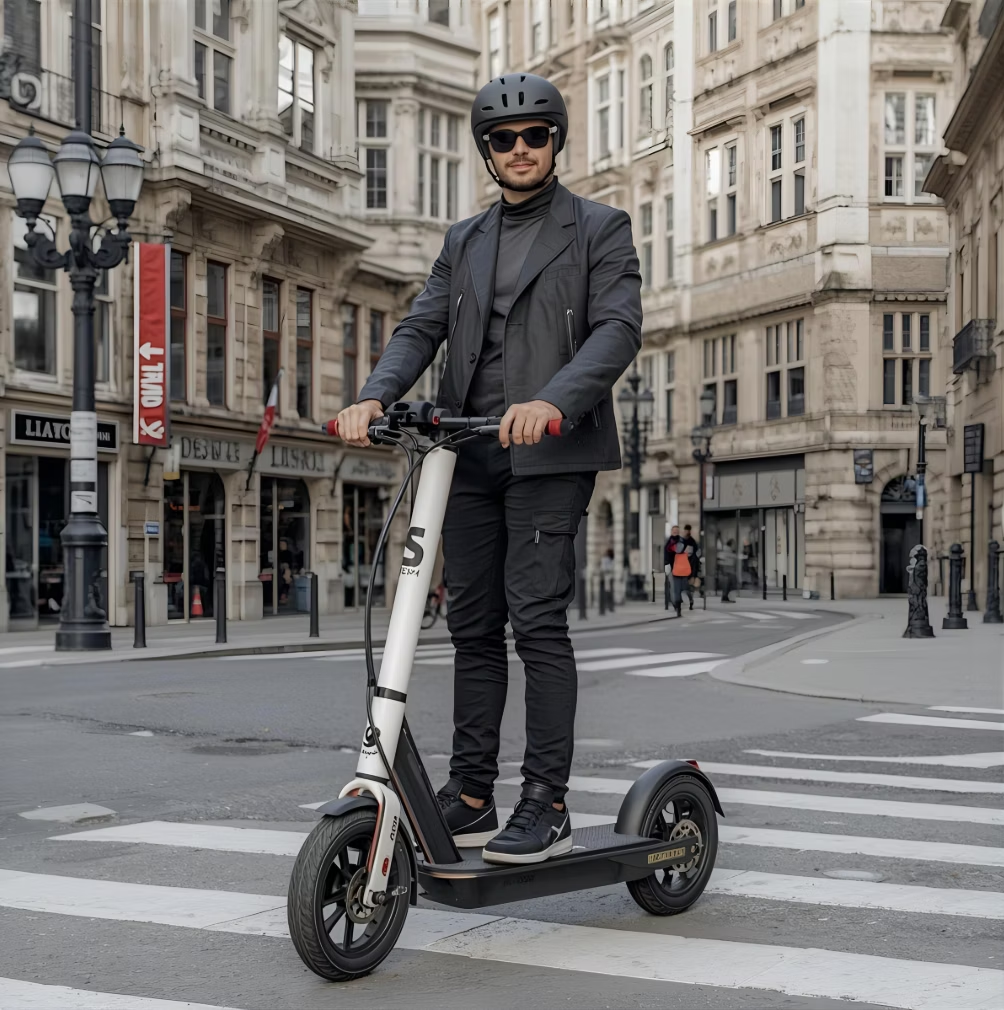
Safety should be the top priority for all escooter riders, especially in bustling urban environments like Singapore. One of the most critical safety measures is wearing a properly fitted helmet, which can significantly reduce the risk of head injuries in case of an accident. In addition to helmets, riders should also consider using other protective gear such as knee and elbow pads for added safety. Beyond personal protective equipment, maintaining situational awareness is essential. This means being attentive to your surroundings, including pedestrians, vehicles, and road conditions. Ensuring that your escooter is in good working condition before heading out—checking the brakes, lights, and tires—can also prevent accidents and ensure a smoother ride. Furthermore, understanding and adhering to pedestrian pathways and designated bike lanes not only enhances safety but also aligns with the LTA escooter rules for responsible riding in Singapore. In addition to these safety precautions, escooter riders should educate themselves about local traffic laws and follow all road signs and signals. Riders are encouraged to travel at safe speeds and avoid weaving in and out of traffic. Reckless riding not only endangers the rider but also poses a risk to others sharing the road. It’s crucial to stay visible—particularly at night—by wearing bright clothing and utilizing lights on your escooter. Practicing these best practices can significantly enhance the safety of your riding experience, enabling you to enjoy the freedom of navigating Singapore’s dynamic roads while remaining compliant with the LTA escooter rules.
The Future of Escooter Regulations in Singapore
As electric scooters become increasingly popular in urban areas, the future of escooter regulations in Singapore is poised for significant evolution. With advancements in technology, such as smart scooters equipped with GPS and anti-theft features, the Land Transport Authority (LTA) may adapt its regulations to ensure rider safety and compliance while embracing innovation. Future regulations could include mandatory safety equipment, real-time monitoring of scooter speeds, and enhanced rider education programs designed to promote responsible usage. These changes would not only enhance the safety of riders but also integrate escooters more seamlessly into Singapore’s transport network, addressing potential conflicts with pedestrians and other vehicles. Moreover, as urban planning progresses, the LTA may focus on creating dedicated lanes for escooters and revamping infrastructure to accommodate this growing mode of transport. Potential guidelines could also see stricter penalties for violations, providing a stronger deterrent against reckless riding. Ultimately, the intertwining of technology and urban strategies will shape the escooter landscape, urging riders to stay informed and compliant with the evolving LTA escooter rules. Embracing these advancements could lead to a more enjoyable and safer riding experience for all users in the future.
Riding Smart: Staying Informed and Compliant with LTA Escooter Rules
In conclusion, understanding and adhering to the LTA escooter rules is essential for ensuring a safe and enjoyable riding experience in Singapore. By being aware of the regulations around speed limits, designated paths, and safety gear, you not only protect yourself but also contribute to the safeguarding of all road users. As policy changes may occur, staying informed about the latest updates will further enhance your capability to navigate the roads responsibly. Embracing these regulations allows you to fully enjoy the benefits that escooters bring to our urban mobility landscape, making commutes more efficient and environmentally friendly. As a rider, you have a crucial role to play in promoting a culture of safety and compliance within the community. By sharing your knowledge of the LTA escooter rules with fellow riders and encouraging responsible behavior, you create a supportive environment for everyone. So, gear up, ride wisely, and become an advocate for safe escooter riding. Mastering these rules not only empowers you as an individual but also fosters a harmonious relationship between escooter users and pedestrians, paving the way for a more connected and safer Singapore.
This blog is super helpful for both new and experienced escooter users! It clearly explains what is legal, how to pick the right scooter, and covers rules about safety gear and where you can ride. For anyone feeling unsure, everything you need to stay on the right side of the law is laid out in simple language.
What I like most is how it highlights responsibility and safety as everyone’s job, not just the authorities’. If more riders follow these rules, we can reduce accidents and enjoy our rides without being worried about fines or harming others. Really appreciate how the guide stresses being an informed, considerate rider and making Singapore safer for all.
I still have my doubts. Even though the rules are clear, do you think people really follow them? Some riders ignore the speed limits or use escooters that aren’t approved. How can we be sure these guidelines actually make the roads safer and not just more confusing for everyone?
You raise a good point, Samantha. But I think having the info available is still the most important step—without clear rules, there’d be total chaos. It’s impossible to control every rider, but at least with strong guidelines, the authorities can take action and the responsible ones know what to do.
But if enforcement is weak, isn’t it just words on paper? How about more patrols or cameras to make sure people follow the rules?
I agree with you, Shahrul! A lot of people just need to be told what the rules are in a clear way. Education must come first, then stricter actions for those who break the rules.
For me, the problem is there are always rule breakers. How will rules alone stop the reckless ones from speeding or weaving on walkways?
Rules can’t solve everything, but they do give LTA a way to fine or ban repeat offenders. It’s not perfect, but it’s better than letting everyone ride freely with zero consequences.
Maybe ongoing campaigns and regular reminders on social media can help, so riders don’t forget the rules after passing the test.
Moderator here. Just a reminder—let’s focus on discussing the effectiveness of the LTA escooter rules and the contents of the guide. Personal stories are welcome, but off-topic comments will be removed. Keep it civil, everyone!
Thanks for the heads up, Vincent! I think sharing how we use escooters daily is still helpful here, as long as it relates to the rules.
Noted. Agree that the LTA guide is serving its purpose to keep all discussions on track and constructive.
I want to know, if I upgrade parts on my escooter for better speed or comfort, will it still be considered LTA-compliant? Sometimes it’s tempting to make changes after buying.
Once you modify or upgrade your escooter, especially if it affects the speed, weight, or specs listed in the LTA rules, it may no longer be compliant. To stay legal and safe, always ensure any upgrades meet LTA standards, and it’s best to check with an authorized provider before making changes.
Can I upgrade parts like the wheels or battery of my escooter, as long as it still fits the LTA rules?
Yes, you can upgrade certain parts such as the wheels or battery, but it’s very important that your escooter continues to meet all LTA regulations after modifications. This means the speed, weight, and dimensions must remain within legal limits, and only LTA-approved components should be used.
I like how the guide explains everything step by step, especially about helmets and penalties. More people should read this before riding, so can avoid getting fined or causing accident.
This guide is really a game-changer for anyone who wants to use an escooter in Singapore! I love how it covers everything from legal models to mandatory safety measures, making it so much easier for riders like me to follow the rules without second guessing. The section about choosing compliant models is super practical, since many of us just want to hop on and go without worrying about hidden regulations.
Also, pointing out the mandatory testing and potential penalties is so important. It gives a sense of responsibility and helps new riders avoid unnecessary trouble. When everyone stays informed and compliant, it’s safer for everyone—drivers, pedestrians, and riders. Kudos to the author for making the rules accessible and promoting a safer, friendlier commuting culture!
Interesting points, but isn’t all this regulation a bit too much? For casual riders or tourists who just want to try, the process seems very complicated—choosing models, tests, penalties… Doesn’t it make riding less accessible?
I think it can look complicated, but most rules are there because of past accidents. If tourists rent from licensed outlets, those escooters should be compliant already, making things easier.
But what about spontaneous use, like bike-sharing? You can rent a bike instantly. Escooters here still feel less convenient in comparison.
Regulations do add steps, but they also give peace of mind that most riders are trained and using safe equipment. Maybe in future, things can be streamlined with better tech.
Hopefully, tech can balance safety and convenience someday. Right now, the process still feels like a hassle for new users.
The guide is thorough, but do you really think these rules are working? I still see people speeding and riding on pedestrian walkways all the time. If enforcement isn’t strict, how effective are all these regulations really?
That’s a fair concern, but the rules at least give LTA a clear basis to act when enforcement happens. More awareness could help, but clear guidelines are the first step to change public behaviour.
Agreed, having a standard is important, but maybe more patrols or cameras can help too. Otherwise, some riders still won’t bother following even clear rules.
Ya, enforcement is key. Some people only learn when they get fined. Maybe more visible penalties will make a real difference.
The rules help honest riders do the right thing, though. Not everyone breaks them—many just need education. Without the rules, things would be much worse, I think.
Still, shouldn’t rules protect us all, even from reckless folks? Maybe more community reporting can help spot repeat offenders.
I think the rules are really needed, but sometimes it feels a bit much to remember everything, especially for casual riders like me. But seeing so many accidents before, maybe it’s good to be strict about safety.
This is super helpful, I always worry if my escooter is the correct type or not. The testing part sounds a bit stressful but makes sense for safety. Thanks for making the rules clearer!
The blog gives a lot of info in one place which is great, especially for those new to escooters. I hope more people read this before buying or riding so everyone can be safer on the roads.