


Ebike battery overheating are especially important in Singapore’s tropical climate, where managing heat is crucial for e-bike enthusiasts. As the popularity of electric bicycles increases, so does the necessity for riders to understand the risks associated with overheating batteries. An e-bike battery that overheats can lead to performance issues, reduced lifespan, or even thermal runaway. It’s essential to take preventive measures to ensure your safety while enjoying the freedom and convenience of your e-bike. This blog post will explore practical steps and best practices for managing overheating batteries, tailored specifically to the unique climate and conditions in Singapore. From proper storage and charging techniques to recognizing the signs of battery distress, our guide aims to equip you with the knowledge needed to keep your e-bike adventures safe and enjoyable. We will discuss the factors contributing to battery overheating and the importance of adhering to manufacturer’s instructions. Whether you’re commuting around the bustling city or embarking on weekend rides, these essential steps will help you proactively safeguard against potential hazards, allowing you to focus on enjoying the ride without worry.
Recognizing Overheating Symptoms
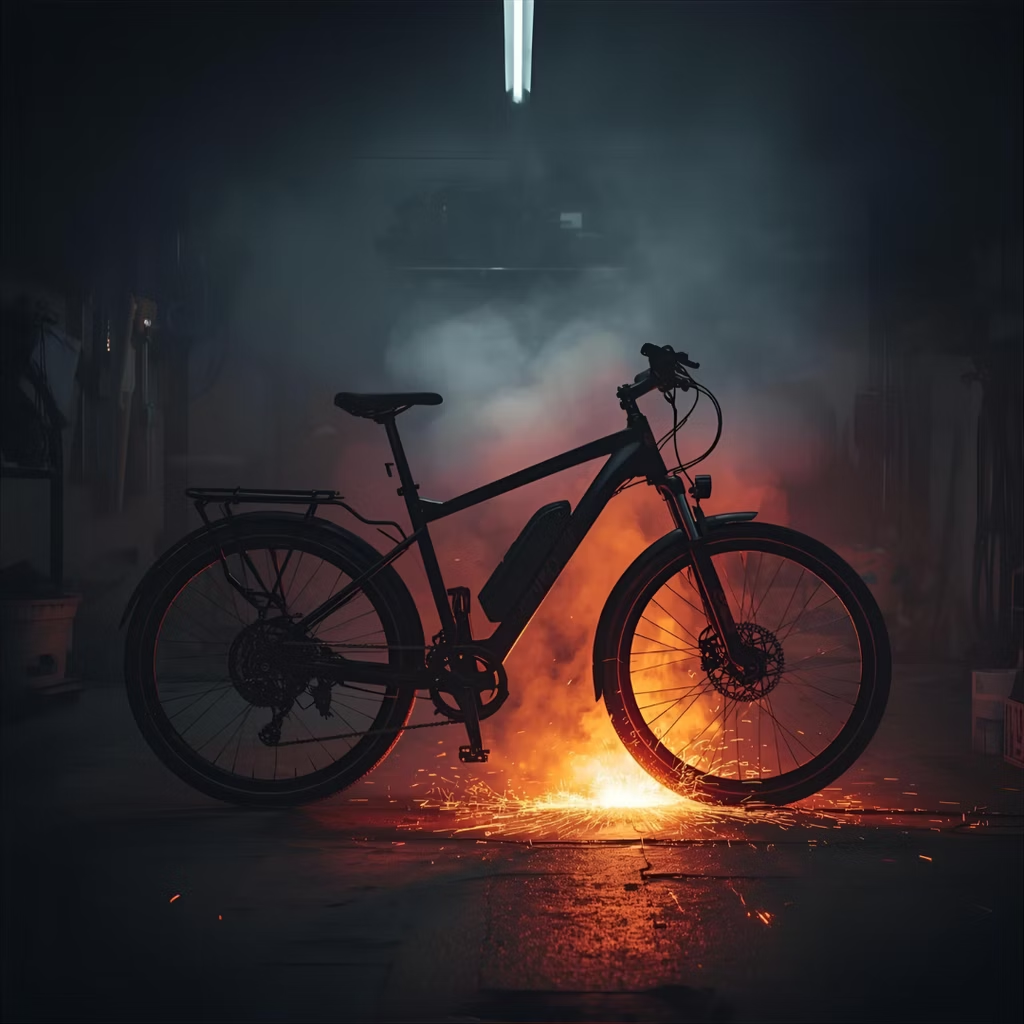
Recognizing the symptoms of e-bike battery overheating is crucial for ensuring your safety and preventing dangerous situations. Typical telltale signs include physical deformities such as swelling or bulging of the battery casing, which may indicate that the internal cells are overheating. Additionally, users might notice unusual smells resembling burning plastic or chemicals when the battery is heating excessively. Accompanying these physical signs, performance changes may also be observed, such as diminished power output, shorter ranges, or random shutdowns during use. Each of these symptoms serves as an alert for riders to take immediate action before the situation worsens. Being aware of these warning signs can make all the difference in a critical moment. In the hot and humid climate of Singapore, e-bike batteries are at a heightened risk of overheating, thus regular monitoring is beneficial. If you notice any combination of these symptoms, it is essential to stop using the bike immediately and allow the battery to cool down in a safe location. Ignoring these early signs can lead to more severe issues such as thermal runaway, which poses fire hazards. This knowledge not only enhances your safety but also prolongs the life of your e-bike’s battery, ensuring you enjoy a reliable ride in the tropical weather.
The Science Behind Thermal Runaway
Thermal runaway is a phenomenon that can occur within lithium-ion batteries, such as those used in e-bikes, and understanding its mechanics is crucial for safe operation. Essentially, thermal runaway occurs when a battery cell overheats, causing a chain reaction that leads to increased internal temperatures, rising pressure, and potentially, fire or explosion. This process can be triggered by various factors including overcharging, physical damage, or exposure to high temperatures, common in Singapore’s tropical climate. If one cell starts to malfunction, it can compromise the neighboring cells, creating a cascading effect that endangers the entire battery pack. Understanding this science can inform riders about the importance of proper battery usage and storage conditions to mitigate risks associated with overheating and thermal runaway. To prevent thermal runaway in e-bike batteries, it’s crucial to recognize warning signs and to adopt safe practices. Riders should be aware of the ideal charging locations away from flammable materials and in well-ventilated areas. It’s advisable to monitor battery temperature during use and charging, and to check for any swelling or odd smells, which could indicate overheating. Regular diagnostics by professionals can also help in identifying potential issues before they escalate. Educating yourself on these scientific principles will empower you to handle your e-bike battery with greater care, ensuring not only your safety but also the longevity of your e-bike investment.
Safe Charging Practices in Singapore’s Humid Environment
In Singapore’s humid environment, adhering to safe charging practices for e-bike batteries is essential to mitigate the risk of overheating. First and foremost, ensure that you charge your battery in a well-ventilated space, away from direct sunlight and moisture. Ideally, look for areas with stable temperatures, as excessive heat can exacerbate the risk of thermal runaway—an alarming condition that could lead to battery fires. Choosing a dedicated charging station, preferably at home, can help you closely monitor the charging process and prevent exposure to external elements that could affect battery performance and safety. Additionally, avoid using generic chargers that may not be compatible with your e-bike’s battery specifications, as this can lead to further complications, including overheating during the charging cycle. Moreover, it’s crucial to regularly inspect your battery for any signs of swelling or damage before charging, as these issues can signal a potential overheating risk. Be aware of the humidity levels when charging; consider a dehumidifier if your charging area is prone to dampness, which can contribute to battery failure. Always consult your manufacturer’s guidelines for optimal charging practices specific to the battery model you own. By taking these precautions, you can significantly reduce the risk of battery overheating and ensure a safer riding experience in Singapore’s tropical climate.
Storing Your E-Bike Battery Safely
Storing your e-bike battery safely is crucial to ensure both the longevity of the battery and the safety of the user. First and foremost, it is essential to keep your battery in a cool, dry place where temperatures remain stable. In Singapore’s humid climate, extreme heat can lead to battery overheating, so it’s advisable to keep your battery away from direct sunlight and minimize exposure to high temperatures. Ideally, the storage temperature should be between 15°C to 25°C (59°F to 77°F). Additionally, it’s important to avoid placing heavy objects on the battery or storing it in a confined space without proper ventilation, as this can also contribute to increased heat buildup and fluctuations in temperature that may lead to thermal runaway risks. Regularly checking the condition of the battery during storage can help identify any issues early on, allowing for proactive measures to be taken before more serious problems arise. Another key aspect of safe storage is maintaining a charge level that allows for optimal battery health. When storing your e-bike, it is recommended to keep the battery at around 40% to 60% charge; allowing the battery to deplete to 0% can cause irreversible damage, while storing it fully charged can create stress on the cells. Implementing these best practices not only prolongs the life of your e-bike battery but also significantly reduces the risk of overheating or other safety hazards. By being proactive with your battery storage routines, you contribute to a safer riding experience and peace of mind on the road.
When to Seek Professional Help
Recognizing the right time to seek professional help for your e-bike battery is crucial, especially in Singapore’s tropical climate where overheating can lead to serious issues. If your e-bike battery exhibits unusual behaviors such as swelling, generating excessive heat during charging, or producing unexpected odors, these are clear indicators that it’s time to consult an expert. Additionally, if you notice a sudden decline in battery performance or if your battery fails to hold a charge, do not hesitate to seek diagnostics. Timely intervention can prevent not only damage to your e-bike but also mitigate the risks associated with thermal runaway incidents which may lead to fires or explosions. When in doubt, err on the side of caution. Engaging a professional for a thorough checkup can help identify underlying issues that may not be immediately visible. Remember that addressing potential problems early on can extend the lifespan of your e-bike battery and ultimately enhance your riding experience. Regular maintenance and timely professional help can safeguard you against the unforeseen dangers posed by overheating batteries, ensuring both safety and sustainability in your electric cycling adventures.
Emergency Procedures in Case of Overheating
In the event that your e-bike battery begins to overheat, it’s essential to act swiftly and safely. First, stop using the e-bike immediately and disconnect the battery from any power source. Carefully place the battery on a non-flammable surface, away from flammable materials like wood or textiles. Avoid touching the battery directly, as it may be extremely hot. If you notice smoke or a hissing sound, evacuate the area as they are signs of thermal runaway, which could lead to a fire. It’s wise to have a fire extinguisher rated for electrical fires nearby and familiarize yourself with its use before you ride. If you can do so safely, move the battery outdoors, away from buildings and vehicles until it cools down or is securely stored in a fireproof container. Contact a professional immediately for further assessment and disposal if needed. Always prioritize safety not just for yourself but also for those around you. Make sure to educate family and friends about the risks of overheating e-bike batteries, especially in Singapore’s warm and humid climate, where thermal issues are more likely to occur. Regularly inspect your battery for any signs of damage or wear, and adhere to recommended charging practices to minimize the risk of overheating. Recognizing early warning signs and knowing emergency procedures can make a significant difference in ensuring personal safety and mitigating property damage.
Take Charge: Prioritizing Safety for Your E-Bike Battery in Singapore’s Climate
In conclusion, staying safe while managing your e-bike’s battery temperature is essential, especially in the humid climate of Singapore. By following the outlined steps—such as monitoring battery temperature, ensuring proper ventilation, and using quality charging equipment—you can prolong the lifespan of your battery while enhancing your overall riding experience. Awareness and diligence in maintaining your e-bike’s battery can prevent overheating incidents and potential hazards, allowing you to navigate the bustling streets of Singapore with confidence and peace of mind. Additionally, integrating these essential practices into your routine can foster a deeper appreciation for the technology behind e-bikes. With the growing popularity of sustainable transportation, being responsible with your battery management contributes to a safer environment for everyone. Embrace these tips, remain vigilant in monitoring your e-bike, and enjoy the journey while keeping both yourself and your bike in optimal condition in Singapore’s sweltering heat.
Very practical advice, especially the part about spotting early symptoms like swelling or strange smells. I never realised how easily the humid weather here can affect battery health!
This article is super thorough and relevant for us here in Singapore! I appreciate how it breaks down not just the risks, but also the practical steps like using proper storage and paying attention to things like swelling or weird smells from the battery. Small things like checking the humidity and keeping your charger away from direct sunlight really make a big difference in keeping us safe.
Also, highlighting the importance of professional help if there are any signs of trouble is spot on. Too many people ignore early symptoms because they’re busy or not sure what to look for. It’s good to see advice tailored specifically for our tropical weather. E-bike users like me can definitely ride more confidently with these tips in mind!
I get why everyone’s so careful but don’t you think some of these precautions are a bit much? Most people just want to use their e-bike to go to work and back, they might not have time to always watch for every symptom. Didn’t you also find the article a bit too technical for beginners?
I see where you’re coming from, but safety is really about those small habits! Checking for swelling or weird smells only takes a minute and can stop a big issue. Maybe the article could be simpler, but the detailed info helps us all take better care of our bikes without big trouble later.
Agree with Wei Liang. Sometimes learning a bit more upfront saves a lot of headache. Overheating batteries can cause real damage—better be safe than sorry!
Even if it sounds technical, most tips are actually common sense. Anyone can spot a swollen battery or smell something burning—this guide just reminds us not to ignore it.
I think sometimes people only act after serious problems show up. Maybe short checklists or reminders could help make it easier for busy riders like us.
That’s a really good point! Quick reminders or even stickers with emergency steps could save lives. Maybe that’s something to suggest to shops too.
Not everyone will read a long article, but a quick tip sheet might get more attention. It also helps those not so confident with technical stuff.
Honestly, do these tips really help if the e-bike battery is already old? If the battery has been used in Singapore’s climate for over a year, I wonder if all these steps make a difference. Shouldn’t people just replace their battery after a certain time instead?
Taking care of old batteries is even more important! If you store and charge properly, you can really stretch how long your battery lasts. Replacing is expensive, so these precautions might save money in the long run.
Agreed! Regular checks and safe habits keep the battery going longer. Singapore is hot, but simple routines can prevent sudden failures.
If we replace batteries every year, that also creates a lot of e-waste. Better maintenance means less waste too.
Still, sometimes an old battery just isn’t safe anymore. Maybe there should be clearer guidelines on lifespan too, not just emergency steps.
That’s a good point. Maybe official checks or recommended battery replacements every two or three years is safer than guessing.
Manufacturers could definitely be clearer about when to replace. But until then, the checks in this article are a good way to judge.
Please remember to keep this discussion focused on safe e-bike battery practices in Singapore. Personal advice and experiences are great, but let’s avoid unrelated suggestions or debates about other transport modes. Thanks everyone for sharing your insights and keeping the discussion helpful!
I’m wondering if it’s safe to leave my e-bike battery on the charger overnight, especially here where it’s hot and humid. Are there any risks if I accidentally forget to unplug it?
Great question, Siti! Leaving the battery charging overnight in Singapore’s climate can increase the risk of overheating. It’s always best to unplug the battery once it’s fully charged, use a charger recommended by your manufacturer, and avoid charging in unventilated or humid spaces to prevent potential hazards.
Thanks for sharing so many detailed steps. I always worry about charging my e-bike at home, so the tip about using a well-ventilated area is really helpful!