


Table of Contents
When it comes to maintaining your ebike, the thought of tackling ebike repairs yourself can be both enticing and intimidating. Many riders wonder, ‘Can I repair my ebike myself?’ while considering the potential savings and satisfaction of handling minor issues independently. Basic mechanical tasks, such as adjusting brakes and chains, replacing tires, and tightening bolts, are certainly within the scope of DIY ebike repair for those with a bit of confidence and the right tools.
However, navigating the more complex realm of electrical components presents significant risks, especially given Singapore’s strict LTA regulations on ebike modifications that could render your bike non-compliant. Before you dive into your repair tasks, it’s essential to understand what you can safely fix on your own and when to seek professional help to ensure your ride remains safe and legal.
Understanding Basic Ebike Mechanics
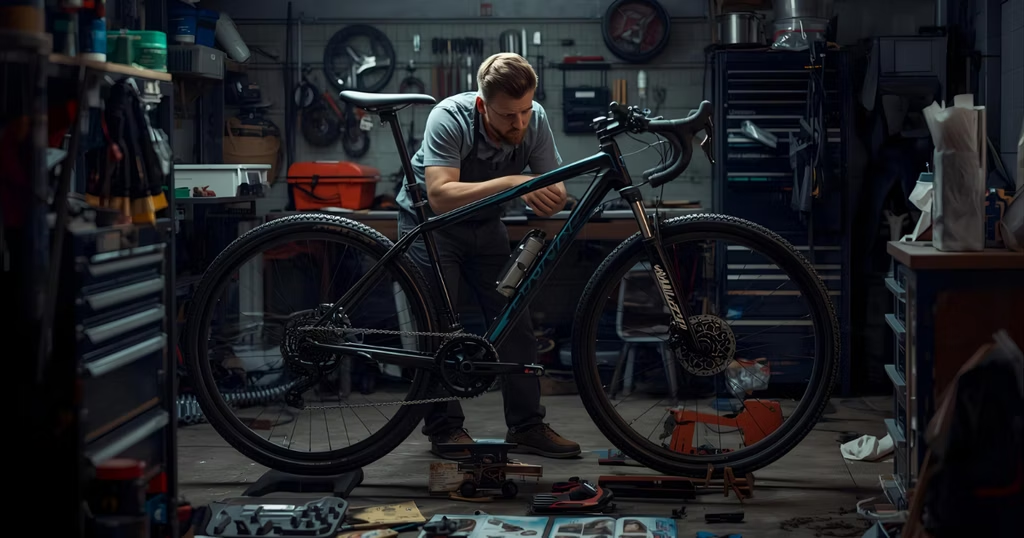
Understanding the basic mechanics of your ebike is essential for any DIY repair enthusiast. Simple tasks like adjusting the brakes and chains, replacing tires or inner tubes, and tightening bolts are manageable with basic tools and a bit of knowledge.
These routine maintenance tasks can help you keep your ebike running smoothly and ensure that your ride remains safe and enjoyable. Many riders take pride in performing these minor adjustments themselves, which can also save money on ebike repair costs in the long run. It’s essential to familiarize yourself with your ebike’s components and maintenance schedules to know when these simple fixes are necessary.
However, it’s crucial to recognize the limitations of DIY ebike repair. While handling mechanical issues might be straightforward, working on electrical components, like the battery and motor, requires specific expertise and caution. Improper repairs can result in voiding your warranty, causing potential safety hazards, or making your ebike non-compliant with Singapore’s LTA regulations.
Therefore, if your repairs fall beyond basic mechanical adjustments, it’s best to consult a professional service shop like Eko Life, which can ensure your ebike remains safe and properly maintained. Opting for professional help not only guarantees quality repairs but also preserves your bike’s compliance with the legal standards.
Common Mechanical Issues You Can Fix
When it comes to ebike repair and maintenance, there are several common mechanical issues you can handle yourself, making it both cost-effective and empowering. For instance, adjusting the brakes or chains is relatively straightforward and can significantly enhance your ride’s safety and performance. Similarly, replacing tires or inner tubes is a common task that many riders can tackle with basic tools and some guidance.
Additionally, tightening bolts or adjusting the seat and handlebar can help ensure a more comfortable and secure riding experience. Taking these small measures can help prolong the life of your ebike while ensuring optimal performance during your rides. However, while DIY ebike repairs can be rewarding, it’s essential to recognize the limitations when it comes to electrical components.
Avoid attempting repairs on the battery, motor, or wiring unless you have substantial expertise, as this can lead to complications and even pose safety risks. Following the manufacturer’s ebike repair manual is crucial, and it’s advisable to consult professionals for any electrical diagnostics or components that could void your warranty or violate LTA regulations in Singapore. Shops like Eko Life are excellent resources for reliable service and guidance, ensuring that your ebike remains safe and compliant on the road.
When to Leave It to the Professionals
While it may be tempting to take on ebike repair projects yourself, it’s crucial to know when to leave it to the professionals. DIY fixes can be effective for minor mechanical issues like adjusting brakes or replacing tires. However, when it comes to the electrical components of your ebike, such as the battery, motor, or wiring, the risk of causing further damage or creating unsafe conditions significantly increases. Most ebike manufacturers recommend consulting a trained specialist for any electrical diagnosis or repairs to ensure compliance with LTA regulations in Singapore.
Not only can improper repairs void warranties, but they can also lead to serious safety hazards like battery fires or motor failure. Engaging services from professional repair shops, like Eko Life, is advisable especially when your ebike is under warranty. They offer affordable diagnostic services and can provide the necessary parts to ensure your ebike remains in compliance with LTA-approved specifications. In the long run, investing in professional help can save you time, money, and the headache of dealing with risky repairs—allowing you to focus on enjoying your ride safely and efficiently.
The Risks of DIY Electrical Repairs
When it comes to DIY ebike repair, many riders feel confident tackling basic mechanical issues like adjusting brakes or replacing tires. However, the risks associated with DIY electrical ebike repairs can be significant, particularly for components such as the battery, motor, and wiring. Incorrect handling of these parts can not only compromise the functionality of your ebike but can also lead to dangerous situations like battery short circuits or fires.
Moreover, if your ebike is still under warranty, attempting DIY fixes on electrical components may void that warranty, leaving you without support for future issues. In Singapore, adherence to the Land Transport Authority (LTA) regulations is also a major concern when considering DIY electrical ebike repairs. Any modifications that result in an LTA-approved ebike becoming non-compliant can have legal implications. Riders are generally advised to undertake minor maintenance themselves, such as tightening bolts or adjusting seats, while deferring electrical repairs to trained specialists.
Shops like Eko Life provide guidance, diagnostic services, and necessary parts replacement, ensuring that riders can maintain their ebikes safely and effectively. Always remember to follow the manufacturer’s repair manual and use original replacement parts, prioritizing safety and compliance over short-term convenience.
Compliance with Singapore’s LTA Regulations
When considering DIY ebike repair, compliance with Singapore’s LTA regulations is paramount. These regulations require that ebikes remain LTA-approved and unmodified. This means that while you’re allowed to handle basic mechanical issues such as adjusting brakes, replacing tires, or tightening bolts, any modifications or repairs to electrical components can lead you to violate these regulations. If you undertake ebike repairs that render your bike non-compliant, you could find yourself with a bike that you cannot legally ride in Singapore, exposing you to potential fines or safety hazards.
Moreover, DIY electrical repairs can compromise your warranty and introduce significant safety risks. Working on components like the battery or motor without the proper knowledge can lead to battery short circuits, unsafe acceleration or braking issues, and even voiding your warranty altogether.
Therefore, it is always advisable to leave these kinds of repairs to certified professionals to uphold the integrity of your ebike and guarantee its compliance with local laws. Besides ensuring safety and compliance, professional services, like those offered by shops like Eko Life, will provide you with the assurance that your bike is fully operational and compliant with LTA regulations.
Maintaining Your Ebike Warranty
When it comes to maintaining your ebike warranty, it’s crucial to understand the implications of DIY repairs. While you may be tempted to handle minor mechanical issues on your own, such as adjusting brakes or replacing tires, diving into electrical repairs could jeopardize your warranty. Most ebike manufacturers clearly state that any unauthorized modifications or ebike repairs can lead to warranty voiding, which is particularly concerning for electrical components like batteries and motors.
Therefore, if you value your warranty and want to avoid unexpected expenses, it’s wise to limit your DIY efforts to basic maintenance tasks. Moreover, improper ebike repairs can result in significant safety issues and performance problems. For instance, attempting to fix electrical components without the right expertise may lead to severe accidents caused by battery failures or faulty wiring.
In Singapore, where ebikes must comply with LTA regulations, unauthorized modifications could also render your bike illegal to ride. For these reasons, it is highly recommended to seek professional help from specialized shops like Eko Life for any intricate issues, ensuring both compliance and safety while preserving your warranty.
Finding Reliable Ebike Repair Services
When it comes to ebike repair and maintenance, finding reliable ebike repair services is essential, especially if you’re not confident in handling complex repairs. In Singapore, shops like Eko Life specialize in ebike repair, offering professional diagnostic services and parts replacement. These services are invaluable for riders who may lack the experience or tools needed to address electrical issues, such as battery or motor problems.
Utilizing a trusted service can also ensure compliance with Singapore’s LTA regulations, as they are knowledgeable about maintaining your ebike’s LTA-approved status, which is crucial for legal riding. Moreover, opting for a professional repair service can save you time and prevent costly mistakes; a DIY attempt on electrical components can void warranties or even cause hazardous situations like battery fires.
Reliable ebike repair shops not only guarantee the use of high-quality, original replacement parts, but many also offer convenient options like pickup and delivery if you can’t transport your ebike. In conclusion, while minor tune-ups might be easy to handle yourself, trusting your ebike’s major repairs to experts provides safety, compliance, and peace of mind for every rider in Singapore.
Weighing the Pros and Cons of DIY Ebike Repairs
In summary, while DIY ebike repair can be a satisfying and cost-effective way to address basic mechanical issues, there are significant risks associated with tackling electrical components on your own. Simple tasks like adjusting brakes or replacing tires can easily be managed with the right tools and knowledge. However, it’s crucial to remember that improper modifications can lead to safety hazards, void warranties, and even make your ebike non-compliant with Singapore’s LTA regulations.
Thus, it’s important to consider both your skill level and the potential repercussions before diving into repairs. For most riders, handling minor tune-ups is advisable, while professional servicing should be sought for anything involving electrical components. Companies like Eko Life can assist with diagnostics and parts replacement, ensuring that your setup remains safe and compliant with local laws. By opting for professional help when dealing with complex issues, you not only preserve your bike’s warranty but also enjoy peace of mind in knowing that your ebike is in capable hands.
This blog is super useful for anyone thinking of repairing their own ebike, especially here in Singapore with all the LTA rules. It’s great that the article breaks down what we can safely do ourselves—like fixing brakes and changing tires. Honestly, small repairs like these not only save money but also give owners a better understanding of their ride.
But the best part is the clear warning about not touching the electrical stuff without real skills or knowledge. Too many people get into trouble trying to DIY the battery or wiring, risking their warranty or even safety. I like how it encourages learning, but also reminds us when it’s smarter to just get a pro to handle it. Feeling much more confident knowing what I can and can’t do myself!
It’s true, but don’t you think making it sound so easy might mislead beginners? Even ‘simple’ jobs need some skill—a wrong move on the brakes and it could be dangerous already. Shouldn’t the blog mention more about needing proper tools or watching demo videos first? I just worry some people will be too confident and end up with bigger problems.
That’s a good point, Ramesh. Maybe the blog could really stress more about starting small and learning from resources like YouTube or friends before touching the bike. I still think having this guide is helpful so at least people know where to draw the line between quick fixes and things too risky to attempt.
I agree, a clear step-by-step guide or video links would be better. Even rusty chains can be tricky if you never tried before!
Honestly, even replacing a tire the first time can be tough. Maybe need more emphasis on safety checks after doing DIY work.
I think if people are nervous, they will naturally seek help, but you’re right that a beginner could make mistakes if the guide is too simplified.
Sometimes even ‘easy’ repairs end up being confusing, especially for new riders. It’s good to remind readers to test things slowly after repairs too.
But the blog mentions Eko Life as an example—if most fixes need pros anyway, is there really a point in doing any DIY? Seems like the risk of mistakes or breaking LTA rules is quite high.
I think simple things like tightening bolts or adjusting your seat are very low risk and make sense for DIY. It’s more about feeling involved with your own ride and not relying on shops for tiny issues.
Yeah, as long as we follow the guide and respect the limits, small repairs should be fine. Not everything needs a workshop visit, right?
Agree. If we do every little thing at the shop, maintenance cost becomes crazy expensive. Small DIY jobs make a big difference.
I get your point, Nurul. But for people who live far from a repair shop, being able to fix minor stuff themselves is really practical. The key is to know our limits!
True, Raj. Travelling just to tighten a loose seat is a waste of time. Self-maintenance can save a lot of hassle.
Moderator here! Great points raised by both sides so far—let’s keep sharing personal experiences about what you’ve successfully fixed yourself and where you felt you hit your limit. Please focus your replies on DIY vs. professional repair for ebikes in Singapore, and keep the conversation helpful for other readers considering similar fixes.
Thanks, moderator. I managed to change my own brake pads last month and it went well after watching a few tutorial videos.
Good reminder to stay on topic! I only trust myself with tire changes, anything else goes to the shop.
Very clear explanation about what we can fix ourselves and when to find professional help. I always thought I could handle all repairs but now I know the risks, especially with electrical parts—better not to play play with those things.
What should I do if my ebike suddenly stops working and I don’t know whether it’s a mechanical or electrical issue?
If your ebike stops working unexpectedly, try checking simple things first like the tires, brakes, and chain. If you can’t find the problem or suspect it’s electrical, it’s safest to contact a professional repair service to avoid safety risks or making things worse. You can also reach out to our team at Escooter Singapore for expert advice and diagnostics.
I agree DIY for small things like brake or tire is okay, but electrical part really must let expert check. Last time I try fix own battery, got more problem in the end!