


Navigating e-bike laws Singapore in recent years, e-bikes have surged in popularity across Singapore, providing an eco-friendly alternative to traditional modes of transportation. As more residents incorporate e-bikes into their daily lives, understanding the legal framework surrounding their use has become increasingly vital. Navigating e-bike laws can be a complex endeavor, with rules governing safety standards, speed limits, and where you can ride. This blog post aims to demystify the regulations surrounding e-bikes in Singapore, ensuring riders are informed and compliant while enjoying the freedom of cycling in the city. By highlighting the essential laws, safety considerations, and best practices for e-bike users, this guide serves as a comprehensive resource for both novice and experienced riders. Whether you’re a commuter looking to reduce your carbon footprint or simply someone seeking a new way to explore the city, adhering to these regulations is critical for your safety and that of others. Join us as we break down everything you need to know about e-bike laws in Singapore, promoting a safe and enjoyable riding experience for all.
Overview of E-Bike Regulations in Singapore
In Singapore, the regulations governing electric bicycles, or Power-Assisted Bicycles (PABs), are designed to enhance safety for riders and the overall community. The legal framework mandates that all e-bikes must be type-approved, sealed, and registered with the Land Transport Authority (LTA). Key specifications include a maximum unladen weight of 20 kg, a motor power capped at 250W, and a limit on motor assistance, which cuts off at 25 km/h. Riders also must pedal to activate the motor—throttle assistance is prohibited. To promote responsible riding, a helmet is mandatory, and riders must be at least 16 years old. While no license is required for riding an e-bike, passing a mandatory theory test is essential before venturing onto public paths, ensuring that all users are aware of the rules and safety measures in place. E-bikes in Singapore also face strict usage restrictions. They are permitted only on designated cycling paths and roads, with footpaths and expressways off-limits. Riders must keep to the left side of the path or road unless overtaking. The registration process includes an inspection by the LTA to ensure compliance with safety standards and regulations; modifications post-inspection are illegal and can lead to severe penalties, including hefty fines or imprisonment. By adhering to these regulations, e-bike users contribute to a safer environment for themselves and others, thereby embracing the benefits of this eco-friendly mode of transport responsibly.
Device Requirements for E-Bikes in Singapore
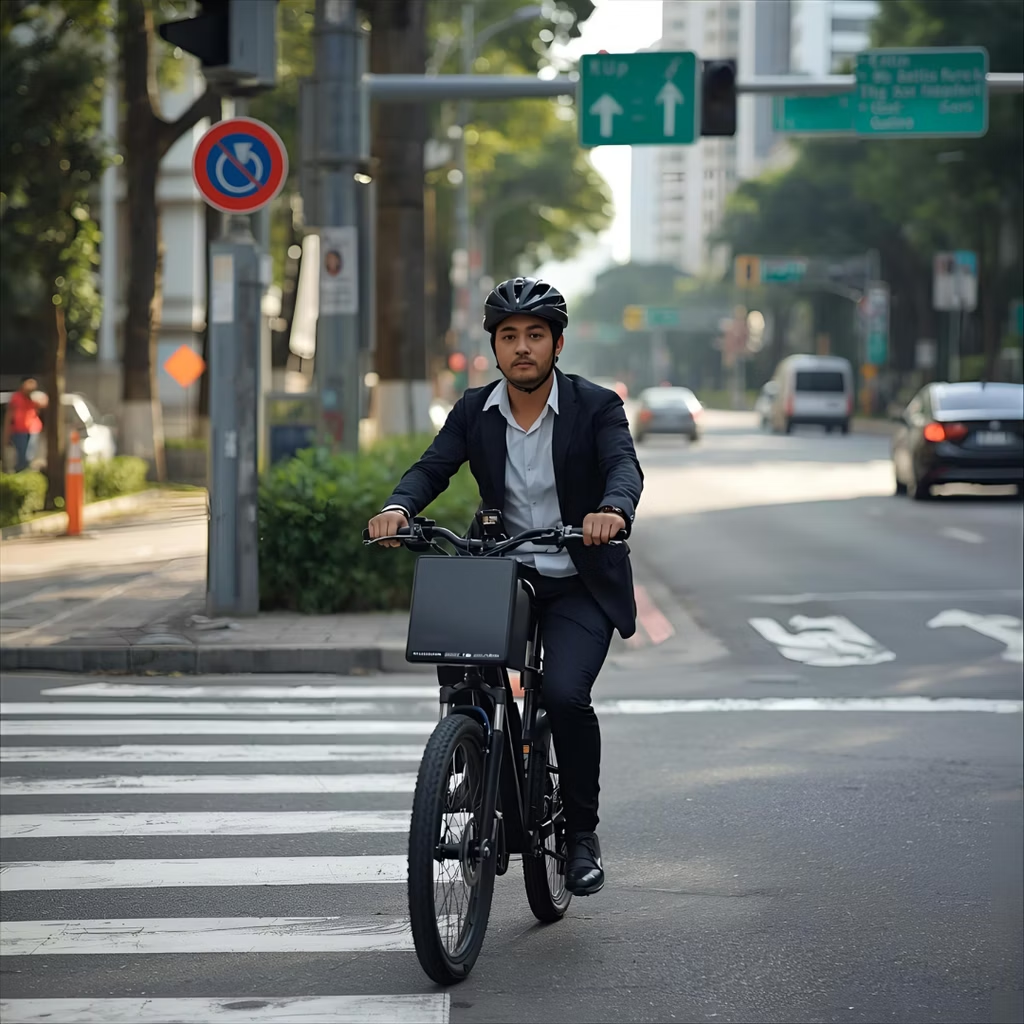
In Singapore, e-bikes are subject to specific device requirements to ensure safety and compliance with local regulations. To be considered legal for use, e-bikes must be type-approved, sealed, and registered with the Land Transport Authority (LTA). Furthermore, each device has to display a valid LTA registration number plate, which is distinctive in design, featuring a yellow background with black letters. The regulations stipulate that the maximum unladen weight of the e-bike cannot exceed 20 kg and the motor power must be capped at 250W. Importantly, the motor’s assistance is designed to cut off at a speed of 25 km/h, and it is strictly a pedal-assist system, meaning that riders must pedal to activate the motor, as throttles are not permitted. These specifications not only serve to standardize e-bikes but also enhance the safety of riders on public paths and roads. Understanding these technical standards is crucial for e-bike owners in Singapore. Compliance with the LTA’s regulations ensures that riders can travel safely without fear of penalties, which can be severe for violations. Riders who fail to register their e-bikes or do not adhere to the design specifications risk facing hefty fines of up to $10,000 or even imprisonment. Additionally, riders must also meet age requirements (at least 16 years old) and attend a mandatory theory test, emphasizing the importance of safety education. By comprehending and adhering to these device requirements, riders can enjoy using their e-bikes while contributing to a safer cycling environment in Singapore.
Rider Requirements and Safety Measures
In Singapore, e-bike riders must adhere to specific requirements to ensure their safety and compliance with local laws. Firstly, riders must be at least 16 years old to operate an e-bike legally. Safety is paramount, and as such, all riders are mandated to wear helmets at all times while riding. This regulation aims to reduce the risk of head injuries in the event of an accident. Furthermore, although a riding license is not necessary, prospective riders are required to pass a mandatory theory test before taking their e-bikes onto public paths. This test educates riders on the safe operation of their vehicles and the responsibility they have towards themselves and pedestrians alike. The law also outlines clear operational and behavioral guidelines for e-bike riders. E-bikes are permitted only on cycling paths and roads, with strict prohibitions against their use on footpaths or expressways. To help maintain order and safety, riders must keep to the left side of the path or road, unless overtaking. By abiding by these requirements and safety measures, e-bike riders contribute to a safer environment for both themselves and pedestrians, ensuring a smooth coexistence on shared pathways.
Usage Restrictions for E-Bikes in Singapore
In Singapore, the usage restrictions for e-bikes are rigorously defined to ensure safety for both riders and pedestrians. E-bikes are permitted exclusively on designated cycling paths and roads, emphasizing the importance of adhering to specific routes to avoid accidents and maintain public safety. Notably, e-bikes are prohibited on footpaths and expressways, which helps prevent conflicts with pedestrians and high-speed vehicles. Riders must also keep to the left side of paths or roads unless overtaking to allow a safe flow of traffic, further contributing to the orderly use of shared spaces. Compliance with these restrictions is not just a matter of safety; it is a legal requirement, and ignorance can lead to serious consequences.
Registration and Inspection Process
To legally operate an e-bike in Singapore, one must first navigate the registration process set forth by the Land Transport Authority (LTA). This includes ensuring that your e-bike, classified as a power-assisted bicycle (PAB), meets all technical requirements. E-bikes must be type-approved, sealed, and thus registered with the LTA, which entails passing a thorough inspection. During the inspection, the e-bike must demonstrate compliance with specified standards, such as a maximum weight of 20 kg and a motor power of no more than 250W. Owners must be at least 16 years old to register the e-bike, and once registered, the e-bike should display a valid yellow registration number plate with black letters. Failing to adhere to these guidelines can lead to severe penalties, underscoring the importance of proper registration for safety and compliance with local regulations. In addition to registration, the inspection process plays a crucial role in ensuring safety. After passing the inspection, e-bikes must remain unmodified. Any alterations or tampering with the original specifications after registration are illegal and can lead to hefty fines—up to $5,000—or even imprisonment for up to three months. This strict enforcement is critical for maintaining a safe riding environment for all cyclists. Compliance with the LTA’s registration and inspection requirements not only avoids these potential penalties but also ensures a smoother riding experience on Singapore’s paths and roads.
Penalties for Non-Compliance
Singapore’s e-bike laws are stringent, and failing to comply with them can lead to severe penalties. Utilizing unregistered or non-compliant personal mobility devices (PMDs) can result in significant fines of up to $10,000 or imprisonment for up to six months. These penalties underscore the seriousness with which authorities treat improper registration and usage. Moreover, riders must also pass a mandatory theory test before they can legally operate e-bikes on public paths; non-compliance here can incur fines up to $2,000 or jail terms up to six months. Such strict regulations aim to enhance safety on the roads and cycling paths, ensuring a responsible riding culture among users. In addition to registration and testing violations, illegal modifications pose another serious risk for e-bike riders. Tampering with a device’s approved settings, such as exceeding the maximum power or weight limits, can lead to fines of up to $5,000 and a jail term of up to three months. With these potential consequences in mind, e-bike riders in Singapore must remain vigilant and informed about regulations to avoid the costly pitfalls of non-compliance. Adhering to these laws not only promotes personal safety but also contributes to a safer riding environment for everyone in the community.
Staying Safe and Compliant: The Importance of E-Bike Laws in Singapore
In conclusion, understanding and adhering to the e-bike laws in Singapore is crucial for both your safety and the safety of others on the road. By familiarizing yourself with regulations, such as motor power limits and licensing requirements, you can confidently navigate the streets while enjoying your e-bike experience. Compliance not only protects you from legal repercussions but also promotes a culture of responsibility among e-bike riders, contributing to a safer environment for everyone, including pedestrians and cyclists. As e-bikes become increasingly popular, staying updated on any changes in legislation is essential. We encourage e-bike riders to actively engage with their local communities and participate in discussions around mobility and safety. By fostering awareness and collaboration, we can create a more harmonious coexistence among all road users. So gear up, stay informed, and ride responsibly as you explore the vibrant streets of Singapore on your e-bike.
This blog does a fantastic job breaking down Singapore’s e-bike laws—it covers everything you need to know, from the importance of getting your e-bike registered to the specific safety measures required. I think the mandatory theory test and helmet rule are especially thoughtful, as they help both new and experienced riders stay safe. The guide also explains in simple terms why the regulations are so strict, especially with all the fines and penalties, which makes it clear how serious the government is about safety.
It’s refreshing to see all these details laid out so clearly, so we can avoid confusion and accidents on the roads. I appreciate the emphasis on responsible riding because it encourages everyone to respect pedestrians and other cyclists. If everyone follows these rules and stays updated, it’ll definitely make commuting and exploring the city on e-bikes much more enjoyable.
I get what you’re saying, but don’t you think Singapore’s rules are a little too strict? The maximum speed limit and motor specs seem low, and the penalties are really harsh.
Shouldn’t there be more flexibility for experienced riders and different usage cases? Some people actually use their e-bikes to get to work quickly, not just for leisure.
I agree the fines are high, but if the rules were more relaxed, wouldn’t that make the roads more dangerous? The limits are there mainly to protect everyone, not just the riders.
If you raise the speed or loosen specs for some, it’s very easy for others to misuse and cause accidents, especially since paths are shared. Keeping things strict keeps things safe.
As long as safety is the main aim, I’ll support stricter rules even if it means extra steps. With so many irresponsible riders, something must be done.
But other countries allow higher speeds and still manage safety. Why not have a tiered system for advanced riders? Blanket rules seem unfair for those who know what they’re doing.
Also, the registration process seems like a big hassle if you just want to try out an e-bike for short-term. Not everyone wants all that paperwork.
The strictness makes sense to me because most paths are shared, and it’s easy to knock into someone if e-bikes go too fast. Maybe it’s not perfect, but safety must come first.
Totally agree. Even one bad accident is too many and it’s usually caused by going too fast or riding recklessly.
Just a reminder—let’s stick to discussing the laws and personal experiences, not comparing other countries’ policies too in-depth. Singapore’s context and space are quite unique, so the focus here should be on our local laws and how they affect us.
Noted, will keep it to Singapore rules. I just wish LTA would hear feedback from regular riders too.
Good reminder, moderator! The local conditions and concerns are really different here compared to big cities overseas.
I think the guide is useful, but will the laws be updated soon? Technology is changing fast—these current limits may not fit future e-bikes.
That’s a great point. Hope they review the rules as e-bikes develop, but for now better to stick to what’s enforced so no one gets into trouble.
I think these strict laws are good for everyone’s safety. I see some people modify their e-bikes and go very fast—it’s dangerous for both the rider and others.
Is there any difference in the rules if I buy a used e-bike instead of a new one? I worry older models might not meet the latest requirements.
Great question, Jasmine! Whether your e-bike is new or used, it still needs to be type-approved, sealed, and registered with LTA to meet the current regulations. Always check that the used model complies with the latest standards before purchase to avoid any issues.
Thanks for explaining the rules so clearly! I always see people riding e-bikes and sometimes not sure what is legal or not, now I know what to look out for.