


Proper ebike battery care Singapore practices are essential because the country’s hot and humid climate can shorten battery lifespan if not managed well. As e-bikes continue to gain popularity among commuters in Singapore, understanding the care and maintenance of their batteries becomes crucial for maximizing their performance and lifespan. With the tropical climate characterized by high humidity and fluctuating temperatures, e-bike owners face unique challenges that can affect battery health. This guide aims to equip riders with essential tips and techniques tailored for the local environment, ensuring that your e-bike battery remains efficient and durable for years to come. In this ultimate guide, we will explore the various factors influencing battery longevity, such as charging habits, storage conditions, and maintenance practices specific to Singapore’s humid climate. From understanding the chemistry of lithium-ion batteries to practical steps you can take to protect your investment, each section is designed to help you navigate the complexities of battery care. Whether you’re a seasoned e-bike enthusiast or just starting your journey, this guide will empower you to keep your e-bike running smoothly even in the face of Singapore’s challenging weather conditions.
Understanding Your E-Bike Battery: Types and Lifespan
E-bikes commonly utilize two main types of batteries: lithium-ion and lead-acid. Lithium-ion batteries are favored for their lightweight design and energy efficiency, offering a range of 500 to 1,500 charge cycles, making them long-lasting. Conversely, lead-acid batteries are heavier and typically provide a shorter lifespan of approximately 300 to 500 charge cycles. In Singapore’s humid climate, the performance and longevity of these batteries can vary significantly, thus understanding your battery type is crucial for effective care. Proper maintenance practices are essential to optimize the lifespan of your e-bike battery, especially in an environment that poses unique challenges like humidity and temperature fluctuations. When it comes to e-bike battery care in Singapore, implementing strategies tailored to your battery type is indispensable. For lithium-ion batteries, it’s vital to avoid extreme temperatures and ensure they are charged correctly—generally around 20% to 80% of their capacity. Additionally, keep away from prolonged exposure to high humidity, as this can accelerate degradation. On the other hand, lead-acid batteries require regular topping up of fluid levels and should not be deep-discharged. Being informed about your battery type and its expected lifespan empowers you to manage care routines that prolong functionality and enhance your riding experience in the humid Singapore climate.
Optimal Charging Habits for Longevity
To ensure the longevity of your e-bike battery in Singapore’s humid climate, adopting optimal charging habits is essential. Start by using the correct charger that is specifically designed for your battery model. This helps in preventing any damage due to rapid charging or overheating, which can be exacerbated by high humidity levels. Avoid overcharging your battery by unplugging it once it reaches a full charge. Ideally, charge your e-bike battery only to 80% capacity if you know it will not be used for an extended period; this can reduce stress on the battery cells and prolong its overall lifespan. Additionally, strive to charge your battery in a cool, dry area whenever possible to prevent moisture accumulation, which could affect performance and efficiency over time. Another best practice is to adhere to the charging cycles recommended by the manufacturer. For instance, it’s generally beneficial to recharge after every ride, especially if you’ve depleted a significant amount of battery life. This technique allows you to maintain optimal battery health without deep discharging it frequently, which can wear down the battery more quickly. Nonetheless, keep an eye on the ambient temperature and humidity while charging; extreme conditions can lead to irreversible damage. By implementing these smart charging strategies, you can significantly enhance the longevity of your e-bike battery in Singapore’s challenging climate.
The Impact of Humidity and Temperature on E-Bike Batteries
Singapore’s tropical climate, characterized by high humidity and fluctuating temperatures, plays a crucial role in the performance and lifespan of e-bike batteries. These batteries, often composed of lithium-ion cells, are sensitive to environmental conditions. High humidity can lead to moisture ingress, which may corrode internal components and shorten the battery’s life. Additionally, the heat generated during operation, coupled with the intense tropical heat, can accelerate chemical reactions within the battery, causing it to degrade faster than it would in a more temperate environment. Understanding this science is vital for e-bike owners in Singapore, as it underscores the importance of tailored maintenance practices to enhance battery longevity in such conditions. To optimize e-bike battery care in Singapore’s humid climate, it’s essential to establish proper charging habits and storage techniques. Avoid leaving your battery in excessively hot or humid conditions, such as direct sunlight or a damp cellar, as this can lead to capacity loss or even irreversible damage. Instead, aim to charge your battery in a cool and dry area, and check for humidity levels before storage. By recognizing the impact of humidity and temperature fluctuations on e-bike batteries, riders can adopt proactive care measures, ensuring they enjoy a longer-lasting and more reliable e-bike experience, even amidst Singapore’s challenging climate.
Best Storage Practices to Ensure Battery Health
Proper storage of your e-bike battery is crucial, especially in Singapore’s humid climate. To ensure the longevity and health of your battery, always store it in a cool, dry place when not in use. Avoid leaving your battery in direct sunlight or in damp spaces, such as near windows or in basements, which can exacerbate moisture issues. Ideally, the storage temperature should be between 10°C to 25°C, as excessive heat or cold can lead to battery degradation. Additionally, it’s beneficial to keep the battery at a 50% charge during long periods of inactivity, as this charge level has been found to help maintain cell health over time. If you are storing your bike for extended periods, consider removing the battery altogether for added protection and maintenance. To further protect your e-bike battery from Singapore’s tropical climate, consider investing in a battery storage case or bag designed to control humidity levels. These cases can provide insulation and help mitigate the effects of moisture, which is a common challenge in the region. Regular checks on battery connections and physical condition can also prevent long-term damage. By adopting these effective storage practices, you can significantly enhance your e-bike battery’s lifespan, ensuring it remains in peak condition for your journeys around Singapore’s vibrant landscape.
Signs It’s Time to Replace Your E-Bike Battery
One of the primary signs that it may be time to replace your e-bike battery is a noticeable decrease in range. If you find that your e-bike no longer travels as far on a single charge as it used to, this could indicate that the battery is deteriorating. Additionally, if you notice that the battery takes significantly longer to charge or fails to fully charge, these are further warnings that the battery’s performance is declining. Keeping a close eye on these performance metrics can help you determine the right moment to consider a replacement, ensuring you avoid the inconveniences of being stranded due to battery issues in Singapore’s challenging riding conditions. Another critical sign to look for is physical damage or swelling of the battery pack. If you see any cracks, dents, or distortion, it’s essential to take action immediately as this can not only compromise your e-bike’s operation but also pose safety risks. Furthermore, an unusual odor or leakage from the battery can signal severe internal damage. Regularly inspecting your battery will help you spot these issues early, ultimately prolonging your riding experience while also enhancing safety, particularly in Singapore’s humid environment where battery health can be severely impacted.
Additional Tips for Maintaining E-Bike Battery Health
To ensure your e-bike battery remains in optimal condition, developing a maintenance schedule is crucial. Regularly inspect your battery for any signs of wear and tear, such as corrosion or damage to connections, which can reduce its efficiency. In Singapore’s humid climate, it’s ideal to keep your battery clean and dry. You may also want to charge your battery periodically, even when it’s not in use, to prevent it from discharging completely, which can lead to irreversible damage. Utilizing a battery management system can help you monitor its health and performance over time, allowing you to adjust your practices as needed. Troubleshooting common battery issues is another key aspect of maintaining e-bike battery health in Singapore. If you notice a decrease in range or slow charging, first check the charging cable and connections for any signs of damage. It’s also helpful to familiarize yourself with the manufacturer’s guidelines on battery care and replacement, and to keep an eye on the battery’s age—generally, lithium-ion batteries last between 2 to 5 years depending on usage and care. By implementing these additional tips and leveraging local resources for support, you can enhance your e-bike experience and prolong the lifespan of your battery amidst Singapore’s challenging weather conditions.
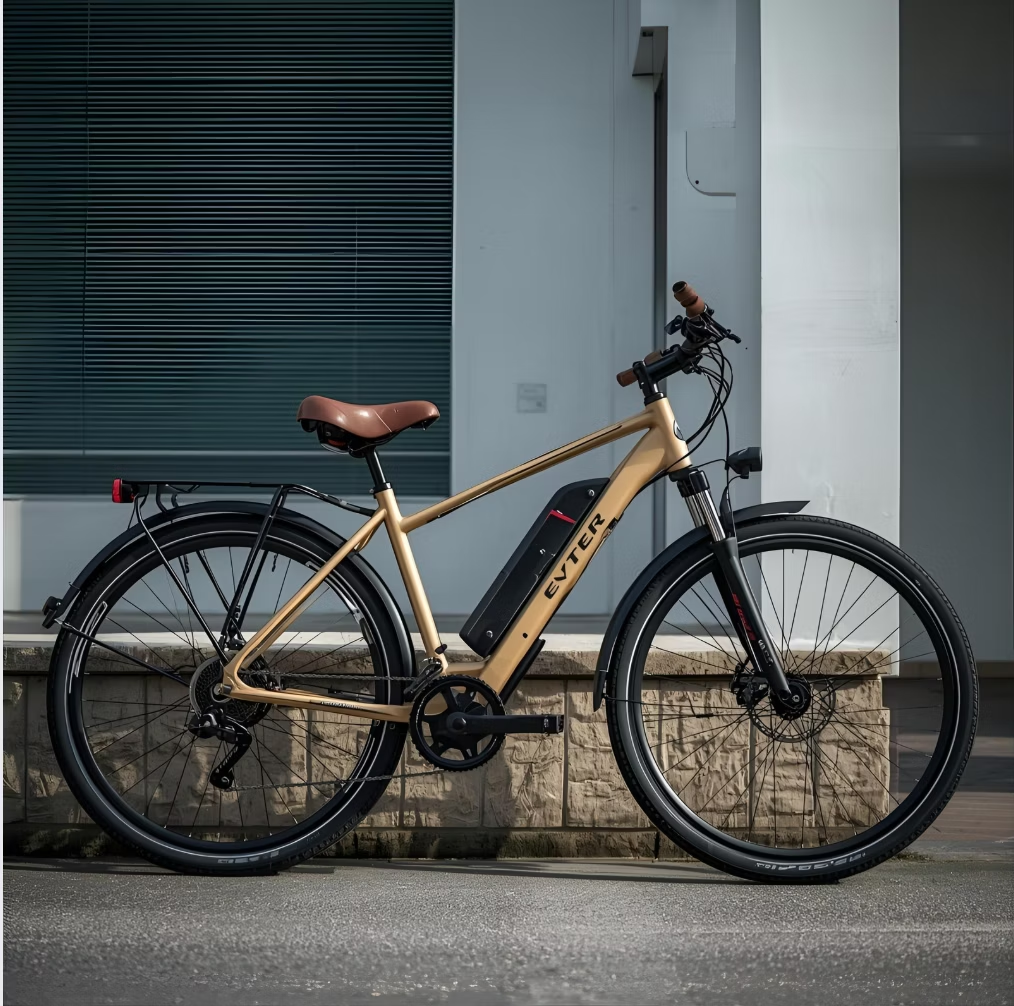
Maximizing Your E-Bike Experience: The Importance of Battery Care
In conclusion, proper e-bike battery care is essential for maximizing performance and longevity, particularly in Singapore’s humid climate. By understanding the effects of humidity on battery health and implementing best practices such as optimal charging, temperature management, and regular maintenance, you can ensure that your e-bike remains reliable. Remember to store your battery in a dry, cool place, and avoid exposure to extreme temperatures, as these factors directly influence its lifespan. With diligence and care, you can fully enjoy the benefits of your e-bike without the worry of premature battery degradation. Additionally, staying informed about the latest advancements in battery technology can further enhance your e-bike experience. As manufacturers continue to innovate, exploring new options for battery types, such as lithium-ion advancements, can provide even greater resilience against environmental stressors. In the heart of Singapore’s vibrant urban scene, ensuring your e-bike battery is in top condition will not only support your daily commute but also contribute to a sustainable future. Embrace these tips for effective battery care, and ride with confidence knowing that your e-bike is well-prepared to handle the tropical climate with ease.
The part about checking for swelling or damage on the battery is really helpful, I never thought about inspecting it after rides. Hope more people will read this before they run into trouble like I did last year.
This guide is super comprehensive! Singapore’s humidity really does a number on e-bike batteries, so it’s great that the article gives clear, practical steps like not overcharging and storing the battery in cool, dry places. The section about lithium-ion vs lead-acid batteries was especially useful – I didn’t realize how charging habits could make such a big difference over time. I also liked the reminders to check for swelling or damage and to use moisture absorbers, which are such simple fixes that can help a lot here.
Honestly, tips like keeping the charge between 20-80% and periodic inspections make e-bike ownership less stressful. It’s nice to see information tailored specifically for our local climate, instead of generic advice that doesn’t work in Singapore. This will definitely help both new and experienced riders get more mileage and safety out of their ebikes.
Great you found it useful, Lydia, but don’t you think the advice to use moisture control bags and check connections is common sense? I wish the guide touched more on what to do when batteries start to swell or leak. Do most people know the risks, or will they just keep riding?
Nurul, I think many people underestimate how dangerous battery leaks or swelling can be, so reminders are still helpful. But yes, maybe the blog can include a warning or a checklist for when to stop riding and seek help.
Totally agree. Some don’t even notice their batteries are swelling because they don’t look. Maybe there should be regular community checks for it, not just personal responsibility.
When in doubt, best to just change the battery if it looks off. Better safe than sorry. Guides like this should put that in bold!
Honestly, not everyone will know what swelling looks like until it’s too late. Maybe blog posts like this should include more photos or visuals for people to understand.
Good idea, Kelvin. Pictures would make it much clearer for those new to e-bikes.
It sounds good in theory, Lydia, but I feel like the tips here make owning an e-bike quite high-maintenance. How practical is it to always store your battery in a cool, dry place or keep humidity totally under control? Most of us just park our bikes downstairs or at the void deck, and sometimes we forget about the weather. Isn’t the battery expected to be somewhat weatherproof already?
Hi Aaron, fair point! It’s definitely hard to control the environment all the time, but even small steps can help, like removing the battery for charging indoors when you get home. I agree it’s not always practical to follow every tip perfectly, but if we make a habit out of even one or two, it should still go a long way.
Plus, e-bike batteries aren’t totally weatherproof – rain and humidity can seep in. Just being a bit more mindful, like wiping the battery down or storing inside during heavy rain, might prevent bigger issues later. It doesn’t have to be perfect, just consistent!
I get what Aaron means; not everyone has time or space at home for the battery. But I’ve seen a few friends’ batteries die early from the humidity, so some effort is better than nothing. Maybe future e-bike models will improve weatherproofing too.
I think the blog is just trying to maximize battery lifespan for those who care about it. Sure, not everything will be possible for everyone, but tips like using a silica gel pack or just checking for damage are not that hard.
Silica gel helps but it’s true that our climate is really punishing. Honestly, these tips are more about prevention than a cure, so I’d rather have more info and pick what works for me.
Hi everyone, just a gentle reminder to keep the discussion focused on battery care and safety tips mentioned in the guide. Please avoid drifting into unrelated topics about e-bike regulations or brands. Let’s help riders make the most of the blog’s advice for the Singapore climate. Thanks!
Very useful info! I always wondered how Singapore’s weather affects my e-bike battery and now I know why it doesn’t last as long sometimes. Will try your tips about storage and charging, thanks!
Is it safe to use those moisture absorber packs in the battery storage bag, or will it mess with the battery?
Yes, using moisture absorber packs like silica gel in your battery storage bag is generally safe and actually recommended for Singapore’s humid weather. Just make sure the packs don’t touch any battery terminals directly and replace them when they get saturated to keep humidity low around the battery.