


As the popularity of electric bikes continues to surge, understanding the ins and outs of ebike maintenance, particularly ebike brake repair, becomes crucial for safety and performance. Whether you’re a seasoned rider or new to the ebike community, knowing how to handle brake issues can prevent accidents and extend the lifespan of your bike. This guide will walk you through the essential aspects of ebike brake repair and establish a solid foundation in ensuring your bike’s braking system operates at its best. In this comprehensive overview, we’ll explore various types of ebike brakes, common problems you might encounter, and step-by-step repair solutions. We’ll also shed light on safety tips that every ebike rider should know to enhance their riding experience. Ready to dive into the world of ebike brake repair? Let’s take the first step towards a safer ride and discover how you can keep your ebike in top-notch condition.
The Role of Brakes in Ebike Safety
Brakes are one of the most vital components of an ebike, serving as the primary mechanism for decelerating and stopping. Their effectiveness directly influences rider safety, making proper functioning absolutely crucial. Neglecting brake maintenance can lead to a myriad of safety risks, including reduced stopping power, which could result in accidents or collisions. Regularly inspecting various brake systems—whether hydraulic or mechanical—helps to identify issues like worn-out pads or misaligned rotors, which can dramatically affect braking performance. Understanding the signs of brake problems, such as squeaking or spongy levers, allows riders to take proactive measures to address these concerns before they escalate into serious hazards on the road.
Proper brake maintenance not only enhances safety but also improves the overall riding experience. Brake pads should be changed when they show signs of wear, and consistent checks on hydraulic fluid levels or cable tension are essential for mechanical systems. Riders should also make it a habit to ensure that disc rotors are properly aligned, as even slight misalignments can compromise braking effectiveness. By making brake care a routine part of ebike ownership, riders can enhance their safety and enjoyment while reducing the likelihood of unforeseen repairs or accidents down the line.
Types of Ebike Brakes: Hydraulic vs Mechanical
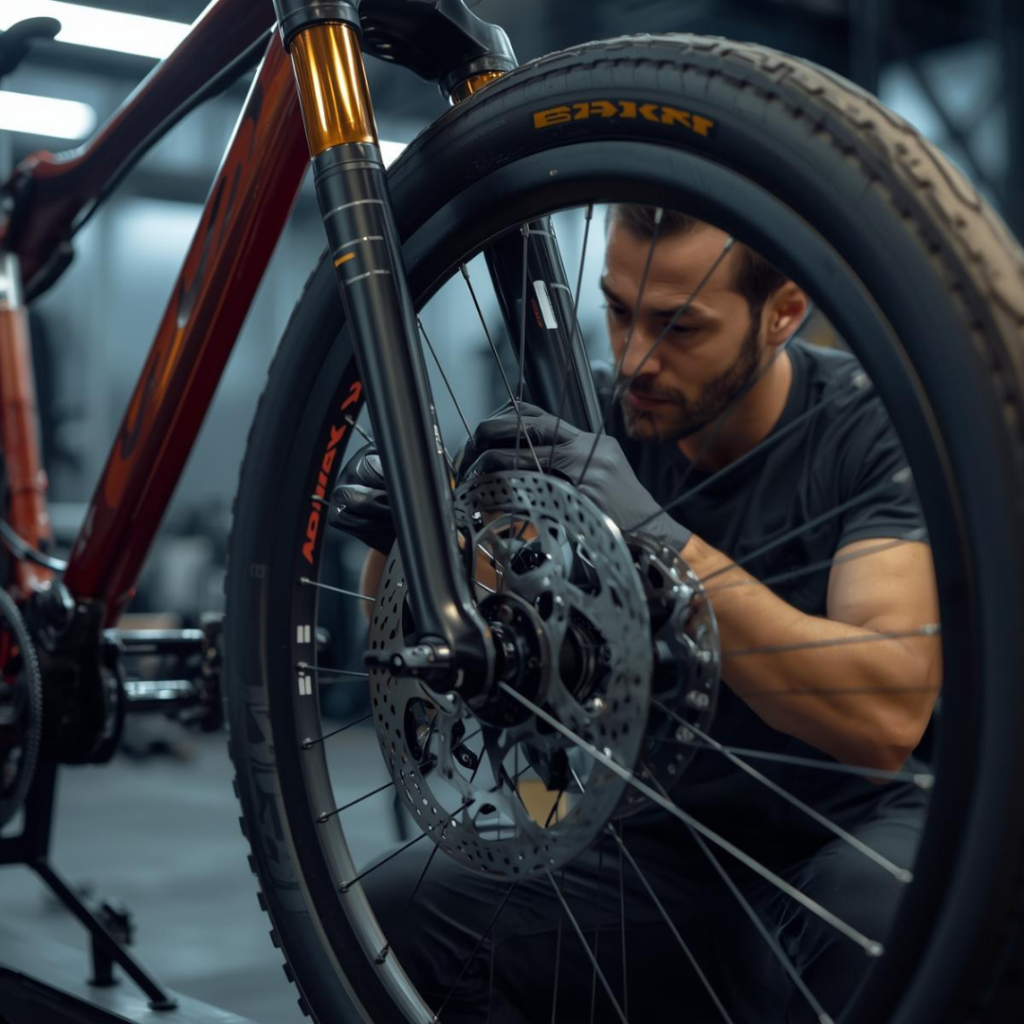
When it comes to ebike brakes, two primary types dominate the landscape: hydraulic and mechanical. Hydraulic brakes utilize a fluid system to transfer force from the lever to the brake pads, offering superior stopping power and modulation. The benefits of this system include consistent performance in various weather conditions and reduced finger fatigue, as less force is needed to engage the brakes. However, hydraulic brakes can be more complex and may require specialized tools and knowledge for repairs, which can lead to higher maintenance costs over time. On the other hand, mechanical brakes operate using a cable system, where pulling the lever tightens the cable, forcing the brake pads against the rotor. While they are generally easier to service and maintain, mechanical brakes may not provide the same level of stopping power, especially in wet conditions, and can experience issues like cable stretch, leading to a
Recognizing Signs of Brake Issues: Squeaky and Soft Levers
Recognizing the signs of brake issues on your ebike is crucial for maintaining optimal safety while you ride. One of the most common symptoms of brake trouble is a squeaky noise that occurs when you pull the brake levers. Squeaking can indicate that your brake pads are worn and may need replacement, or that they are improperly aligned. If you notice this noise, it is essential to investigate further to ensure your braking system remains effective and reliable. Additionally, a ‘spongy’ brake lever can signal air trapped in hydraulic lines or old brake fluid, which diminishes stopping power and could lead to dangerous situations on the road. Addressing these issues promptly can help preserve the integrity of your ebike’s braking system.
To assess the condition of your brakes, check for any irregularities in lever feel or noise. A firm and responsive lever is key, while a soft lever often means service is necessary. Inspect the brake pads for wear and ensure the disc rotors are aligned correctly, as misalignment can also contribute to poor braking performance. If you find persistent issues with squeaky brakes or spongy levers, it’s wise to consult an ebike brake repair professional for adjustments or replacements to ensure your safety on every ride.
When to Change Brake Pads: Key Indicators
Knowing when to change your ebike brake pads is crucial to ensuring safe and effective stopping power. A few key indicators can alert you to the need for a replacement. First and foremost, listen for any unusual sounds while braking, such as a persistent squeak or grinding noise. These sounds often signal that the brake pads have worn down to the point where metal is making contact with the rotor. Additionally, if you notice a significant decrease in braking performance or if the brake levers feel spongy, this could indicate worn pads. Spongy levers often arise when there is air in the hydraulic system or if the brake pads are too thin, both of which compromise your stopping efficiency. Regular inspection of your pads for wear indicators can help you avoid these dangers before they become critical.
Another essential aspect of maintaining your ebike’s braking system is to check the alignment of the disc rotor. If the rotor is out of alignment, it can lead to uneven wear on your brake pads, accelerating the need for replacement. Additionally, inspect for any visible cracks, chips, or unusual wear patterns on the pads themselves. Remember that replacing your brake pads as soon as you notice these signs is not just about preserving the lifespan of your components; it’s an essential safety measure to keep you and other road users safe while riding your ebike.
Ensuring Proper Disc Rotor Alignment
Ensuring the proper alignment of the disc rotor is a fundamental aspect of maintaining an effective braking system on your ebike. Misalignment can lead to a variety of issues, including reduced braking performance and increased wear on brake pads. When the rotor is not properly aligned with the brake caliper, it may cause the brakes to rub against the rotor, resulting in a squeaking noise and poor stopping power. Moreover, riders may experience a feeling of instability while attempting to brake, which can compromise safety. Regular checks and adjustments of disc rotor alignment should be conducted to prevent these complications and maintain optimal performance of your ebike’s braking system.
To ensure proper rotor alignment, start by inspecting the rotor visually for any bends or warping. If it appears distorted, a truing tool can be used to gently straighten the rotor. Next, check the caliper alignment with respect to the rotor. Loosening the caliper mounting bolts and repositioning it to achieve an even gap on both sides of the rotor can significantly enhance braking efficiency. If you notice any persisting issues, it may be time to look into replacing the brake pads or further servicing the braked components. By prioritizing disc rotor alignment, you can maximize both the safety and performance of your ebike, ensuring enjoyable and reliable rides every time.
Basic Steps for Ebike Brake Repair and Maintenance
Maintaining your ebike’s brakes is a crucial aspect of ensuring a safe and enjoyable ride. To begin the repair and maintenance process, first, make sure to visually inspect your brake components regularly. Look for worn brake pads—if they appear thin or are causing a squeaky noise, it’s time for a replacement. Understanding the difference between hydraulic and mechanical brakes will guide the specific steps you need for your ebike. Hydraulic systems often require bleeding, while mechanical ones might need cable adjustments for optimal performance. Furthermore, if you notice ‘spongy’ brake levers, this could signify air in the hydraulic line or a loose cable that needs tightening. Taking your time with these checks will help prolong the life of your brakes and enhance stopping power, ultimately keeping you safe on the road.
In addition to regular visual checks, proper disc rotor alignment plays a significant role in ebike brake performance. Make sure the rotor is securely fastened and aligned straight within the caliper. A misalignment can lead to inefficient braking and can also cause unnecessary wear on the brake pads. For a complete maintenance routine, consider cleaning your brakes and rotors with appropriate cleaning solutions to remove any debris or oil that may affect performance. By following these basic steps for ebike brake repair and maintenance, you can ensure reliable stopping power, extend the life of your components, and keep your rides safe and enjoyable.
Stay Safe: The Key Takeaways for Ebike Brake Care
In conclusion, understanding the fundamentals of ebike brake repair and safety is crucial for any ebike enthusiast. Regular maintenance and timely repairs not only extend the life of your brakes but also ensure a safer riding experience. By familiarizing yourself with the various brake systems, common issues, and effective troubleshooting techniques, you can tackle most repair tasks with confidence. The insights provided in this guide serve as a launching point for embracing a proactive approach to your ebike’s maintenance needs.
As you embark on your journey to mastering ebike brake repairs, remember that safety should always be your top priority. Regularly inspect your brake components, adhere to manufacturer guidelines, and consider professional help when necessary. Engaging with online communities dedicated to ebiking can also provide valuable tips and support. By prioritizing brake repair and safety, you not only enhance your own riding experience but also contribute to a safer environment for all cyclists on the road.
This guide is super useful for both new and seasoned ebike riders. It nicely breaks down why regular brake maintenance is needed and even teaches the difference between hydraulic and mechanical brakes, which many people find confusing. I also like how the blog highlights easy-to-miss safety points, like checking for squeaky levers or misaligned rotors – all these handy tips can really help prevent accidents.
Honestly, the clear steps on identifying brake problems and fixing them make me feel more confident about taking care of my own ebike. Ensuring regular checks and understanding basic repairs not only saves money but also keeps everyone safer on the road. Great read for anyone who wants a hassle-free and safer ebike experience!
I get that the guide is helpful, but isn’t it risky for people without experience to try fixing their ebike brakes themselves? Some things, like hydraulic systems, are more tricky and a wrong move can actually make it more dangerous. Shouldn’t it be stressed more that professional help is often needed?
You’re right, working with brakes can be technical, especially hydraulic ones. But I think the blog does remind readers to see a professional when issues get serious. The basic checks and simple fixes mentioned are safe for most people, as long as they know their limits.
I agree, but some beginners might not know where that limit is. Good to have more warnings so people don’t take unnecessary risks.
It’s easy to underestimate how hard things like bleeding hydraulic brakes can be. Maybe a checklist or clear guidance when to stop and call a pro would help.
To keep the discussion productive, please remember to stay focused on ebike brake repair and safety tips. Sharing your own safe experiences or useful warnings helps everyone!
The post says regular practice can prevent unforeseen repairs, but with Singapore’s humidity and rain, aren’t brakes more prone to issues? No matter how careful you are, weather can still mess up the best-maintained setup.
This is a good reminder about local conditions. Let’s continue discussing how to adapt these tips for Singapore or Malaysian weather, and share any solutions that work for you.
That’s a fair point, but I think the author’s approach still helps. If you do regular checks, you’re more likely to spot early signs of rust or wear from our wet weather, so you can fix small problems before they get big.
Still feels like sometimes it’s fighting a losing battle, lah. Especially during monsoon season. Best to also keep your ebike indoors or invest in better components.
Maybe also mention about using waterproof lubricants or covers for extra protection. Regular checks are great, but weatherproofing can go a long way.
Just a gentle reminder to stay on topic and keep sharing your practical ebike brake safety and repair tips. Let’s keep this thread helpful for everyone, especially new riders!
Is it normal for disc brakes to make a small scraping sound sometimes even after cleaning and aligning, or does that mean there’s still a problem?
A slight scraping sound can happen if the disc rotor rubs lightly against the pads, even after cleaning and aligning. If the noise is soft and your braking feels strong and smooth, it’s usually okay—but if it gets louder or you feel resistance, it’s best to have a professional look at your brake setup to make sure everything is safe and working well.
Very clear explanation on the difference between hydraulic and mechanical brakes! I always find it confusing but after reading this, I think I can take care of my own ebike better.
I didn’t know checking rotor alignment was so important – will definitely make it part of my routine. Thanks for the practical safety tips, really help riders like me who are still learning.