


As ebike laws Singapore surge in popularity, the need for clear regulations to ensure safety and compliance becomes increasingly vital. In 2025, a new set of laws will come into effect, shaping the future of e-bike riding in the city-state. Whether you’re a seasoned rider or contemplating your first ride, understanding these changes will be crucial for a smooth and secure experience on the roads. This blog post will unravel the key aspects of the upcoming legislation, providing essential guidelines that every e-bike rider should follow to navigate the intricate landscape of Singapore’s biking laws. From understanding the classification of e-bikes to knowing where and how you can legally ride, our comprehensive guide will equip you with the knowledge needed to avoid pitfalls, enhance your riding experience, and stay within the law. With safety at the forefront, we will also explore best practices and tips to ensure that you and others on the road stay protected as you enjoy the benefits of e-biking. Let’s embark on this journey together to make e-biking a safe and enjoyable activity in Singapore post-2025.
The Importance of LTA Approval and Registration
The approval and registration of ebikes by the Land Transport Authority (LTA) in Singapore is crucial for ensuring that riders comply with the legal framework put forth for safe riding. Only ebikes that are LTA-approved can officially bear the LTA orange seal, signifying that they meet the required design and technical specifications. This seal is not merely a sticker; it is a mark of safety and assurance that the ebike adheres to regulations such as a maximum motor power of 250W and a top speed of 25 km/h, allowing for a secure riding environment on public paths and roads. By possessing an LTA orange seal, riders can feel confident that not only is their ebike safe, but it is also legal to utilize in designated areas, thereby avoiding potential fines or legal consequences of riding an unapproved vehicle. Furthermore, registration is a non-negotiable step that must occur prior to the use of ebikes on public roads and cycling paths. This process not only helps keep track of ebikes within Singapore but also ensures that riders are aware of their responsibilities, such as maintaining their bikes in compliance with LTA regulations. Failure to register or display the LTA orange seal can result in hefty fines or even jail time for offenders. Therefore, adhering to the LTA approval and registration process is not just about compliance; it is integral to fostering a culture of safety and responsibility among all ebike riders in Singapore.
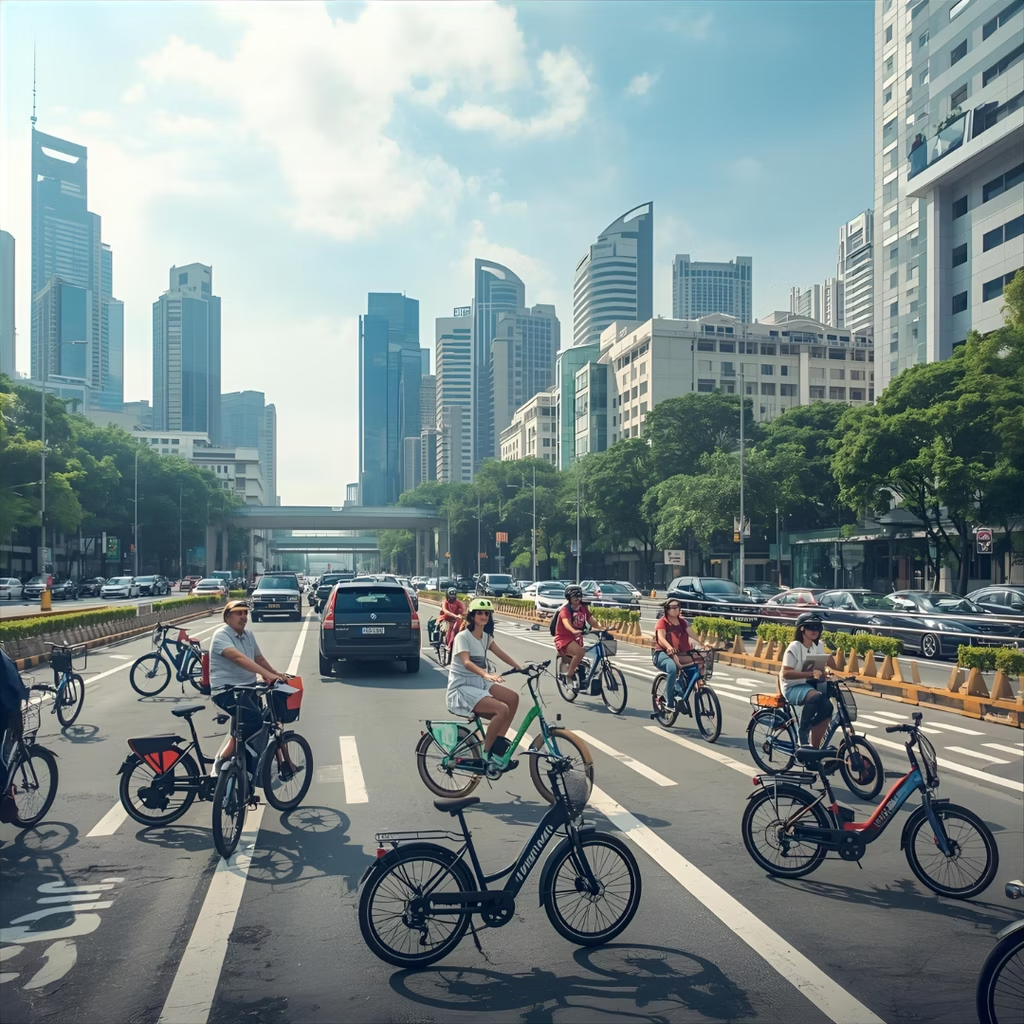
Design Specifications for Your Ebike
When selecting an ebike in Singapore, it’s crucial to comply with the specific design specifications mandated by the Land Transport Authority (LTA). According to the new regulations, the electric motor of your ebike must not exceed a continuous power rating of 250W. Additionally, to promote safe riding practices, ebikes are restricted to a maximum speed of 25 km/h when powered, and must operate on a pedal-assist basis, meaning the motor engages only when you are pedaling. Riders must also consider weight limits, as their ebike must not exceed 20 kg in weight and should not have a maximum width beyond 700 mm. These specifications not only ensure that the ebike is safe for riding but also maintain compliance with local laws, which is essential for legal use on public roads and cycling paths in Singapore. Understanding these design specifications is fundamental for every potential ebike rider. Non-compliance can lead to legal repercussions, including fines or even jail time for modifications that could render the bike illegal. As part of ensuring both safety and compliance, riders should also make sure that their ebikes feature the LTA orange seal, indicating approval for use on public paths and roads. Consequently, choosing an ebike that meets these rigorous specifications not only benefits the rider but promotes a more complete culture of safety within Singapore’s increasingly congested urban landscape.
Essential Usage Rules for Safe Riding
To ensure the safety of both riders and pedestrians, Singapore has put forth essential usage rules for ebike riding that all users must adhere to. The minimum age for riding an electric bike is set at 16 years, which ensures that young riders have sufficient maturity and understanding of road safety. Furthermore, it is mandatory for riders to wear an approved bicycle helmet at all times, a measure aimed at reducing head injuries in the event of accidents. Riders must also be conscious of where they can legally ride; ebikes are permitted only on designated cycling paths and roads, explicitly excluding footpaths and expressways. This restriction is crucial for minimizing risks to pedestrians and helps maintain orderly traffic flow among cyclists and motor vehicles alike. Complying with these rules is not only a legal requirement but also a fundamental part of fostering a safe riding environment in Singapore. Failure to adhere to these regulations can lead to legal consequences, including fines or even jail time for serious infractions, such as riding unregistered ebikes or modifying them illegally. It is essential for riders to remain informed about these rules and understand that any modifications, including changes to the battery or motor, can void the legal approval of their ebike. By following these usage guidelines, riders not only protect themselves and others but also contribute to a culture of safe and responsible ebike riding in Singapore.
Understanding Licensing and Penalties
In Singapore, understanding the licensing situation for e-bike riders is essential to ensure compliance with the 2025 laws. While no formal license is required for operating a Personal Mobility Aid (PAB), failure to adhere to the regulations can lead to severe repercussions. Riders must ensure that their e-bikes are LTA-approved and registered, complete with the mandatory orange seal prior to using them on public paths or roads. Violating these laws by riding an unregistered or modified e-bike can result in hefty fines or even imprisonment. Additionally, reckless riding, such as using restricted paths, could further escalate the legal consequences, highlighting the need for responsible riding practices among users. To emphasize the importance of following these regulations, it is crucial to recognize how penalties are structured under Singapore’s e-bike laws. Offenders face strict consequences, which can include financial penalties for illegal modifications or operating unsafe e-bikes that do not meet the necessary design specifications. Reckless riding poses not only a safety hazard to the rider but to others on the road. By familiarizing themselves with these rules and consequences, riders can enjoy their experience responsibly while minimizing the risk of penalties. Therefore, adherence to Singapore’s ebike regulations is paramount for the safety of all road users and the integrity of the cycling community.
Maintaining Compliance: Servicing and Modifications
Maintaining compliance with Singapore’s ebike laws is crucial for both safety and legality. Modifications to your ebike, such as changing the motor, battery, or speed limiter, can void the LTA approval, potentially leading to penalties for riding an unregistered vehicle. It’s essential to adhere strictly to the prescribed design and technical specifications, including the electric motor cap of 250W and the maximum weight of 20 kg. Any efforts to enhance your ebike’s performance through unauthorized changes might seem tempting, but they carry serious implications not just for legality but also for safety on the roads. Therefore, it is advisable to avoid alterations that could compromise these regulations, as riding a non-compliant ebike can result in fines or even jail time for offenders. To ensure that your ebike remains compliant, regular servicing with authorized dealers is imperative. These professionals possess the knowledge and tools necessary to maintain your ebike in accordance with LTA regulations, helping prevent costly mistakes. Regular checks will not only keep your bike functioning optimally but also safeguard your rights as a rider, ensuring you stay on the right side of the law. With the ebike laws set to evolve by 2025, those looking to navigate Singapore’s streets should prioritize compliance and safety through proper maintenance and servicing practices.
What to Avoid: Prohibitions for Ebike Riders
To ensure the safety and legality of ebike riding in Singapore, there are specific prohibitions that all riders must adhere to. One of the primary rules is that ebikes cannot be ridden on footpaths or expressways. This is crucial to safeguard pedestrians and maintain smooth traffic flow. Riders must always use designated roads and cycling paths instead. Moreover, the use of throttle-powered e-bikes is strictly forbidden. In Singapore, all ebikes should be configured for pedal-assist only, meaning the motor engages only when the rider is actively pedaling. This practice not only aligns with safety standards but also encourages responsible riding habits among users. In addition to the riding locations and mode of operation, there are stringent regulations surrounding modifications of ebikes. Any alteration to the bike’s motor, speed limiter, or battery will void its LTA approval, putting the rider at risk of fines or even imprisonment. It’s essential to understand that compliance with these prohibitions is not just about following the law; it’s about contributing to a safe riding environment for everyone on the road. Adhering to these guidelines will ensure that you enjoy your ebike experience legally and safely in Singapore.
Final Thoughts: Riding Responsibly in Singapore’s Ebike Landscape
As Singapore prepares to implement its updated ebike laws in 2025, it is crucial for riders to familiarize themselves with the new regulations and best safety practices. Understanding the guidelines related to registration, riding areas, and safety gear will not only ensure compliance but also contribute to a safer riding environment for everyone. Properly adhering to these laws will foster responsible cycling and help mitigate accidents, ensuring that ebikes continue to be a viable and enjoyable mode of transport in the bustling city-state of Singapore. In conclusion, embracing the new ebike regulations can empower riders to navigate the streets with confidence while prioritizing safety. As the riding landscape evolves, staying informed will enable you to adapt with ease. By examining your responsibilities as an ebike user and committing to safe practices, you contribute to a culture of respect and care on the roads. By doing so, we can collectively enjoy the benefits of ebikes, making our journeys not just efficient, but safe and sustainable as well.
Honestly, I think Singapore’s updated 2025 ebike rules are a solid step forward. It’s very reassuring to see strict guidelines—like the orange seal and helmet requirement—in place, as these really set the standard for road safety and protect not just riders, but everyone using public paths and roads. The clear regulations make it so much easier for new riders to follow, and the emphasis on regular servicing, proper registration, and design specs will help prevent dangerous situations before they happen.
I also appreciate the government taking illegal modifications seriously, because it means those who choose to follow the rules don’t have to compete with unsafe, souped-up bikes. In the long run, these guidelines can really encourage e-biking as a sustainable transport option while keeping things safe and fair. It’s a good balance between letting people enjoy their rides and making sure the roads stay orderly for all.
It’s great you see the positives, but don’t you find some of the rules overly strict? For example, banning even minor modifications feels a bit much—what if someone just wants a bigger battery to get more range without changing the speed? Also, is the threat of jail time really necessary for something like forgetting a helmet or missing out on a regular servicing?
I get where you’re coming from, but I think the authorities need clear lines. If they allow one small change, it’s easy for things to get out of hand, and enforcement gets tough. As for the penalties, I imagine jail time is just for the most serious or repeated offences—it acts as a strong deterrent to keep everyone responsible.
Still, it feels like they’re punishing everyone for a few bad apples. Maybe they should focus more on spot checks and education instead of blanket bans.
But what if authorised service centres get overwhelmed or charge high fees? Will casual riders be able to afford regular checks just to avoid trouble?
I agree, small tweaks that don’t impact safety shouldn’t be an issue. Maybe LTA could allow certified shops to make approved modifications to help riders customise their bikes safely.
That could work, but it’ll still need careful regulation so people don’t exploit the loophole.
The rules look good on paper, but have you thought about how they will be enforced? Like, what if there are not enough officers to check every ebike? Some people might take advantage and still break the rules anyway.
That’s a fair concern, but I think public awareness and strong penalties will make most people comply. Over time, it becomes habit for everyone to just follow the rules.
Education is important, but enforcement still matters. Maybe more CCTVs or mobile patrols can help catch the stubborn cases.
Agreed—peer pressure works too. When everyone else follows the rules, people will feel paiseh to break them.
Hi all, just a reminder to stay on topic and keep the discussion focused on the impact and clarity of Singapore’s 2025 ebike laws. Let’s make sure our comments add value to the conversation and help fellow riders understand their responsibilities. Thank you for sharing your experiences and constructive feedback!
Thanks Katherine! This thread has been super helpful so far.
If my ebike is already LTA-approved, do I still need to bring it for regular servicing just to stay legal? Or can I just use it as it is until got problem?
Hi Mei Ying, it’s highly recommended to service your LTA-approved ebike regularly with an authorized dealer to ensure it stays compliant with regulations and works safely. Servicing also helps spot potential issues early, so you avoid accidental non-compliance or breakdowns that could lead to fines or unsafe riding.
This blog really clear up a lot of things about the new ebike rules. I’m glad got all the important points in one place, now at least I know what to look for before buying an ebike next year.
Wah, the part about not modifying the ebike is serious sia. Thanks for the reminder, because many people think can upgrade easily but never think of the risk and fine.