


Table of Contents
As the popularity of ebikes continues to rise, many riders find themselves pondering a common question: does it require more ebike repair maintenance than traditional bicycles? With their advanced technology and intricate components, ebikes can seem daunting when it comes to maintenance.
However, a deeper understanding of ebike repair and upkeep can alleviate these concerns. In this blog, we will delve into the essential maintenance needs of both ebikes and bicycles, helping you make an informed decision on which bike might be right for your riding style and lifestyle.
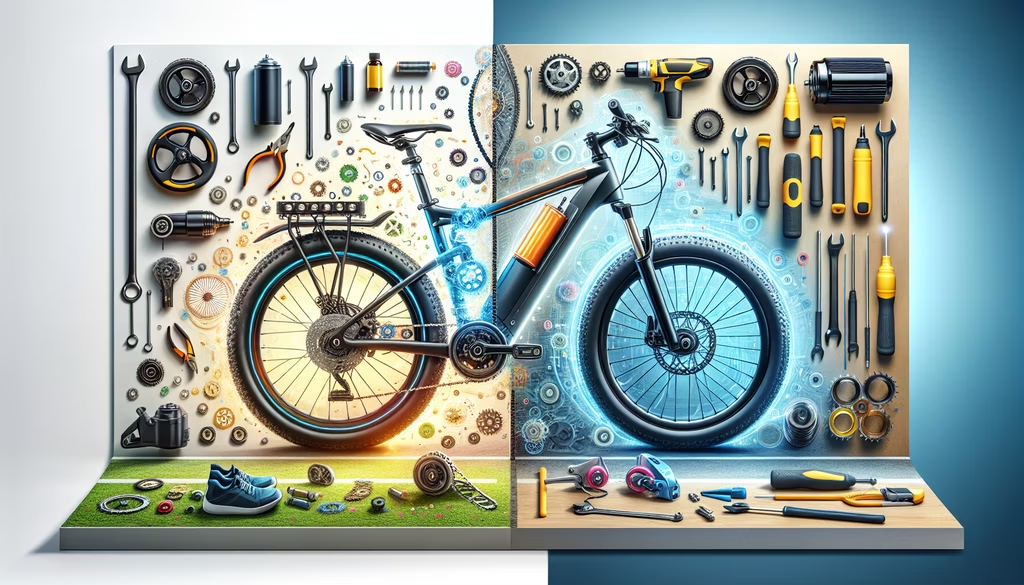
Understanding the Components of Ebikes Compared to Traditional Bicycles
When comparing ebikes to traditional bicycles, it’s essential to understand the key components that distinctly differentiate them, particularly regarding maintenance needs. Ebikes are equipped with electric motors, batteries, and associated electronics, which add a layer of complexity. These components can require specific ebike repair techniques and expertise, as issues with the electrical system or battery performance can arise with usage.
Unlike traditional bicycles, which primarily rely on mechanical parts like gears and brakes, the presence of an electric motor necessitates regular checks and potential replacements for optimal performance. This complexity can lead to a perception that ebikes demand more ebike repair maintenance than their non-electric counterparts. However, while ebikes do have more parts that might need attention, many maintenance tasks are quite similar to those for traditional bicycles.
Regular tire inflation, brake adjustments, and chain lubrication are common for both types. The difference lies primarily in the electrical components that require a specialised approach if malfunctions occur. By understanding these differences, ebike owners can better prepare for the unique maintenance aspects while still enjoying the benefits of efficient and eco-friendly transportation. Proper care and timely service can extend the life of an ebike significantly, ensuring it remains reliable for daily use.
Common Ebike Repairs and Maintenance Tips
Common repairs and maintenance for ebikes often revolve around their unique components, such as the battery and electrical system. Unlike traditional bicycles, which primarily require mechanical upkeep, ebikes might need more specialized care. Regular checks on the battery charge and ensuring the electric components are functioning properly are critical. It’s essential to clean the electrical connections and inspect the motor for any signs of wear.
Additionally, replacing tires or brake pads on ebikes may happen less frequently compared to bicycles due to their generally lower impact from pedaling assistant features. However, paying attention to the condition of these parts is key to ensuring optimal performance. Good maintenance practices can significantly extend the lifespan of your ebike and reduce the likelihood of needing ebike repair. Regularly checking the tire pressure and adjusting it according to the manufacturer’s recommendations can help prevent flats and improve ride quality.
It’s also important to keep the drivetrain clean and well-lubricated to enhance efficiency and prevent rust. Furthermore, keep an eye on the battery’s health by not overcharging it or exposing it to extreme temperatures. Adopting these preventive measures not only boosts your ebike’s performance but also minimizes the need for repairs in the long run.
Battery Care: Special Considerations for Ebike Longevity
Battery care is one of the most critical aspects of maintaining an electric bike (ebike) and is often a significant point of differentiation between ebikes and traditional bicycles. As ebikes rely on batteries for power, the longevity of these batteries directly impacts the performance of the bike. Proper charging habits are essential; for instance, it’s advisable to charge the battery after every ride, even if the battery isn’t fully drained. Avoiding extreme temperatures and ensuring the battery is kept within a moderate climate can also prolong its life.
Regularly checking the connections and ensuring the battery is not left uncharged for extended periods helps maintain the ebike’s efficiency and overall functionality. Proper battery care can also extend the lifespan of ebike components, making it vital for owners to stay informed about best practices. In addition to charging, regular inspection of the battery pack for signs of wear or damage is important. Some users may overlook the need for periodic cleaning of the battery terminals, which can lead to poor connectivity and affect the bike’s performance.
It’s also wise to consult with professionals regarding ebike repair when faced with battery issues, as improper handling can cause irreversible damage. By adhering to these special considerations for battery care, ebike owners can enjoy extended mileage and greater reliability, distinguishing their maintenance needs from those of traditional bicycles.
How Often Should You Service Your Ebike?
When it comes to servicing your ebike, manufacturers generally recommend a routine ebike repair maintenance check at least every six months. This frequency can vary based on usage and the bike’s components. Regular services typically include checking the battery, brakes, tires, and chain. Since ebikes have electrical components, any signs of malfunctioning should prompt an immediate inspection to ensure safety and performance.
Additionally, keeping an eye on the software updates is essential, as an up-to-date system can significantly enhance the ebike’s efficiency and longevity. In contrast, a traditional bicycle may only require a basic tune-up once a year if it’s used casually. However, if you’re riding your bike frequently or on rough terrain, more frequent checks may be necessary.
Overall, although both ebikes and bicycles need ebike repair maintenance, ebikes do require more attention due to their complex systems, making ebike repair a crucial aspect of ensuring your bike performs at its best. Understanding these maintenance needs can help you extend the lifespan of your ebike and make sure your rides are enjoyable and trouble-free.
Tools Needed for Basic Ebike Maintenance
Keeping your ebike in top condition doesn’t require a full workshop—just the right set of basic tools. In Singapore’s urban environment, where daily commuting and unexpected weather are common, regular maintenance can help extend the life of your ebike and ensure smoother rides. First, a reliable set of hex keys (Allen wrenches) is essential for adjusting handlebars, seat posts, and brake components.
A tire pressure gauge and a portable bicycle pump are must-haves, especially for riders navigating long distances. Keeping tires inflated properly not only improves efficiency but also helps prevent flats on busy roads. Chain ebike repair maintenance tools such as a chain brush and lubricant are vital for keeping the drivetrain clean and rust-free—especially important in Singapore’s humid climate. A basic screwdriver set and an adjustable wrench will help with small fixes like tightening bolts or adjusting the display mount.
Lastly, consider a compact multitool for on-the-go tweaks. With these tools, Singapore riders can handle most minor ebike issues without heading to a repair shop. Whether you’re riding through East Coast Park or commuting across town, having these maintenance tools on hand ensures your ebike stays dependable every ride.
Comparing Repair Costs: Ebikes vs. Bicycles
When it comes to ebike repair costs, ebikes generally require a different level of investment compared to traditional bicycles. The electronic components intrinsic to ebikes, such as batteries, motors, and controllers, often lead to higher repair expenses. For instance, replacing a lithium-ion battery can be quite costly, sometimes reaching upwards of $500, depending on the model and manufacturer. In contrast, traditional bicycles, with their simpler mechanical components, typically incur lower repair costs.
A flat tire or a broken chain can often be fixed for much less, making bicycles the more budget-friendly option for everyday cyclists. However, while repair costs may be higher for ebikes, the benefits they provide can justify the expense for many riders. The extended range and convenience of electric assistance often outweigh the costs incurred during repairs.
Moreover, as more advanced technologies are integrated into ebikes, many manufacturers have focused on creating user-friendly repair services, which help mitigate costs over time. Ultimately, when comparing repair costs between ebikes and bicycles, it’s essential to consider not only the immediate expenses but also the long-term benefits and usage each type of bike offers.
DIY Repairs vs. Professional Servicing: What to Choose?
When it comes to maintaining your ebike, one of the key considerations is whether to take the DIY route or seek professional servicing. DIY repairs can be a cost-effective way to handle minor issues, such as adjusting the brakes, replacing a flat tire, or checking the battery connections. With the help of online tutorials and community forums, many ebike owners find themselves empowered to tackle these simpler tasks without needing extensive mechanical knowledge.
However, ebikes are more complex than traditional bicycles, often incorporating electrical systems and computer components that can be daunting to handle without proper training. In such cases, attempting to repair these issues yourself may lead to further complications if not done correctly. Therefore, weighing the nature of the problem is crucial in deciding whether a DIY approach is prudent or if you should enlist the help of a professional. For more complicated repairs—like issues with the motor, controller, or battery system—professional servicing is often recommended.
Professionals have the necessary tools and expertise to address the unique challenges presented by ebike repair, ensuring that your bike is safe and functioning optimally. Moreover, regular servicing conducted by a professional can catch potential problems before they become significant issues, extending the longevity of your ebike. Ultimately, your choice between DIY repairs and professional servicing should depend on your confidence in handling ebike repairs, the complexity of the issue at hand, and the safety considerations involved in maintaining your ebike’s performance.
Final Thoughts on Ebike Maintenance
In conclusion, while ebikes generally require more regular maintenance than traditional bicycles due to their complex electronic systems, this should not deter you from enjoying the benefits they offer. Understanding the basics of ebike repair can help you address common issues, ensuring a safe and enjoyable ride every time. Just like any vehicle, the longevity and performance of your ebike can significantly improve with routine checks and proper care.
Moreover, being proactive about maintenance on both ebikes and bicycles is essential to enhance their longevity and overall performance. By familiarising yourself with the maintenance needs of your ebike, you can prevent minor issues from developing into major repairs, ultimately enjoying a smoother and more efficient ride. Whether you opt for an ebike or a traditional bicycle, quality care is key to maximizing your cycling experience.

This article very useful, especially the part on battery care. I always worry my ebike battery spoil fast, now I know what to look out for.
Great breakdown of what makes ebike maintenance different from regular bikes! I like how the article points out that with some basic understanding and the right tools, most riders can manage minor ebike upkeep on their own. The section on battery care especially stands out—a lot of people overlook how temperature and charging habits affect battery lifespan. If you follow the tips here, I think you’ll see your ebike running well for years.
It’s also encouraging to see the comparison on repair costs explained without scaring people off ebikes. As long as you’re proactive and stick to a schedule—just like with traditional bikes—ebikes aren’t too intimidating. The community is growing, and it’s much easier to find guidance and service than just a few years ago. Regular maintenance means less hassle and more smooth rides, whether you’re commuting or riding for fun!
I think ebike upkeep actually puts people off buying one in Singapore. Our weather and all the rain is extra wear and tear, and electronic parts don’t forgive flooding as easily as a normal metal bike.
That’s a valid worry, but most ebikes now have pretty good weatherproofing, and a lot of routine rain protection is just common sense. Keeping connections clean and storing indoors go a long way.
Storing indoors is fine if you have space, but many HDB flats don’t. Wish there were more covered public parking. Even with weatherproofing, I still see battery corrosion after heavy rain.
Some shops offer extra weatherproof covers as an add-on, but I agree, Singapore weather can be harsh on any electronics.
But isn’t the complexity of ebikes exactly what makes them a pain? Most of us won’t know how to troubleshoot electrical issues or fix a battery that’s acting up. DIY is fine for tyres and chains, but the electronics look scary and costly to mess with as a hobbyist.
That’s a fair point, but there are good guides online these days, and ebike tech is getting more user-friendly. For major problems, go pro, but routine things like battery checks and cleaning are within reach for most people. Once you get a feel for your ebike, it’s less intimidating than it seems.
Agreed, even simple steps like cleaning the battery terminals and avoiding extreme heat/cold can avoid a lot of headaches. We only need a pro when it’s something electrical or software-related, the rest you pick up as you go.
Still, the average rider is not going to touch anything inside the battery or motor. The article makes it sound easier than it really is for those parts.
True, I also worry if DIY goes wrong it might void warranty or cause more damage. For now I just stick to simple stuff and send to shop for anything major.
Yeah, that’s safest. It’s worth reading your bike’s warranty to know which repairs are safe to do yourself.
Hi all, thanks for sharing your thoughts. Just a reminder to keep our discussion focused on maintenance and practical care tips, especially differences between ebike and traditional bicycle upkeep. Please avoid going off-topic to things like personal transport policy or unrelated product reviews.
I read about servicing every 6 months, but does more regular cleaning really make a big difference for my ebike if I use it daily in the city?
Yes, frequent cleaning helps prevent dirt and grime from building up on your ebike’s moving and electrical parts, especially in a city environment. This regular care reduces wear, keeps your drivetrain running smoothly, and can prevent damage, leading to fewer repairs and a longer-lasting ebike.
Honestly, I didn’t realise ebike repairs can be so much more expensive than normal bikes. The tool list for basic maintenance is also quite practical for daily commuters like me.