


Table of Contents
If you’ve noticed unusual noises emanating from your ebike motor, you’re not alone. Immediate ebike repair attention is needed when sounds like grinding, clicking or humming is heard from the motor. Understanding why your ebike motor is making noise is crucial, both for your riding experience and the longevity of your bike. In this blog, we will dive deep into the common causes of noise in ebike motors, enabling you to troubleshoot effectively and learn when it might be time to seek professional help for your ebike repair needs.
Common Causes of Noise in Ebike Motors
Ebike users in Singapore often appreciate the quiet, smooth rides that electric mobility offers—especially when weaving through the city’s efficient network of park connectors and urban roads. However, unexpected noise from the motor can quickly disrupt this experience. One of the most common causes of noise in ebike motors is improper chain alignment or a loose drivetrain, which can lead to rattling or grinding sounds, particularly when accelerating or going uphill.
In Singapore’s humid and rainy conditions, water ingress can also be a culprit. Moisture entering the motor or electrical components may lead to corrosion or short circuits, producing irregular buzzing or humming sounds. Another frequent cause is worn-out or poorly lubricated bearings inside the motor housing. With frequent stop-and-go riding in city areas like Orchard Road or Marina Bay, these components can wear out faster without regular ebike repair maintenance.
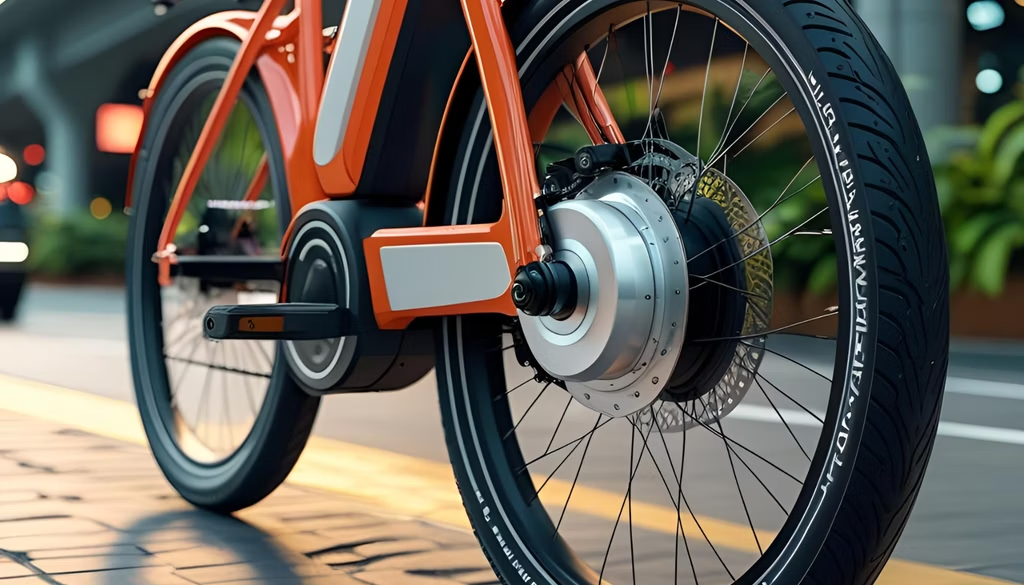
Additionally, ebikes with hub motors may develop clicking or popping sounds due to loosened spokes or faulty gears, especially after hitting potholes or uneven terrain—common on older roads or shared paths. Lastly, if the noise is electrical in nature, it could stem from faulty wiring, damaged controllers, or poor battery connections. In a fast-paced urban environment like Singapore, identifying and addressing these noise sources early is crucial not just for rider comfort but also for safety. Regular servicing and choosing high-quality models from reputable brands can help prevent these issues and ensure a quieter, smoother ride across the city.
Identifying Different Types of Motor Noises
When it comes to electric bikes, the motor is a crucial component, and any unusual noise can signal potential issues that need attention. Understanding the different types of noises your ebike motor may produce is essential for effective troubleshooting. A clicking or rattling sound may indicate loose components or debris lodged within the motor casing.
Conversely, a high-pitched whine might suggest that the motor is overworking or that the gears are misaligned, necessitating immediate ebike repair to prevent further damage. Additionally, a grinding noise could mean that the bearings are worn out or that lubrication is insufficient, which can severely impact the motor’s performance.
Owners should also be aware of the distinct sound of the motor struggling, often accompanied by a noticeable decrease in assistance. This noise might indicate a battery issue or an electrical fault, both of which require prompt intervention. By recognising these different types of motor noises, you not only enhance your understanding of your ebike’s health but also improve your chances of addressing ebike repairs proactively.
When to Seek Professional Ebike Repair
If your ebike motor has been making unusual noises, it may not always warrant immediate concern. However, there are specific instances when seeking professional ebike repair becomes essential. If the sounds are persistent and grow louder over time, it could indicate an underlying mechanical issue, such as a misalignment or loose components.
In cases where the noise disrupts the ride or is accompanied by performance issues—like reduced power or sudden stops—it’s prudent to reach out to an experienced technician. Ignoring these signs can lead to more severe damage or costly repairs in the long run. Another situation that necessitates professional evaluation is when the noise originates from the motor itself rather than peripheral components like the chain or wheels.
Grinding, rattling, or squeaking noises could signal wear and tear or even failure of the motor’s internal parts. A qualified ebike repair specialist can diagnose the problem accurately and perform the necessary maintenance or part replacement, ensuring your ebike runs smoothly. Remember, tackling these issues early can save you time, money, and the hassle of dealing with a malfunctioning ebike in the future.
DIY Solutions for Ebike Motor Noise
If your ebike motor is making noise, it’s important to identify and address the issue to ensure a smooth riding experience. One common cause of noise is the wear and tear of components such as bearings, which can lead to grinding or rattling sounds. A thorough inspection is essential; check for loose screws or bolts around the motor housing that might need to be tightened.
Additionally, make sure that the chain and gears are well-lubricated and aligned correctly, as these can contribute to unwanted noise during operation. Regular ebike repair maintenance can prolong the life of your ebike and keep it running quietly. Another potential source of noise might be dirt or debris caught within the motor casing or around the drivetrain.
Cleaning these areas can significantly reduce noise levels. If you’ve ruled out these common culprits and the noise persists, consider reaching out to a professional for ebike repair services. A trained technician can help diagnose the issue more accurately, potentially saving you time and effort in resolving noise problems. Taking these DIY steps can enhance your ebike experience and improve its overall performance.
Maintenance Tips to Prevent Future Noise Issues
Regular ebike repair maintenance is essential in preventing noise issues in your ebike motor. One of the primary steps is to keep your motor clean and free from debris. Dust and dirt can accumulate over time, causing the motor to work harder than necessary, which may result in unwanted noise. Inspect your bike regularly and use a soft cloth to wipe down the motor area, ensuring that no debris interferes with its operation.
Additionally, check the motor casing for any signs of damage or loosening that could allow noise to escape or be generated during use. Tightening bolts and screws around the motor can also help maintain stability and reduce vibrations that cause noise. Another critical aspect of maintenance is the lubrication of moving parts. Properly lubricated components can significantly reduce friction, leading to quieter operation.
Be sure to use the appropriate lubricant for your ebike’s make and model to avoid any compatibility issues. Regular tune-ups by professional ebike repair shops can also identify potential problems before they turn into noisy headaches. Staying proactive with maintenance not only extends the life of your ebike motor but also ensures a quieter and smoother riding experience in the long run.
Understanding the Role of Components in Motor Function
The ebike motor is a complex assembly of various components, each playing a crucial role in its overall function and performance. Key parts such as the rotor, stator, and gears directly influence how smoothly the motor operates. When these components wear out or become improperly aligned, they can produce unusual sounds, ranging from soft humming to loud grinding noises. Understanding the function of these components is essential for troubleshooting, as specific sounds may indicate certain issues.
For example, a clicking noise might indicate loose gears or a problem with the motor’s connection, whereas a whining sound can be a result of low lubrication or damaged bearings. Maintaining your ebike’s motor requires proper attention and periodic checks to ensure that all components are functioning effectively. Regular ebike repair can help mitigate many noise-related issues, as it allows for timely identification of defects before they escalate into more serious problems.
By recognising how each part of the motor contributes to its operation, riders can better interpret any noises and take the necessary steps to diagnose and fix the root cause. This proactive approach not only enhances the overall riding experience but also extends the lifespan of your ebike motor.
Upgrading Your Ebike for Better Performance
Upgrading your ebike can significantly improve its performance and potentially reduce noise issues emanating from the motor. One of the most effective ways to enhance your ebike’s functionality is by selecting higher quality components, especially the motor and battery. A more efficient motor can operate more quietly and smoothly, minimizing unwanted sounds. Additionally, investing in a better battery ensures that your motor receives a consistent power supply, reducing the chances of strain and subsequent noise during operation.
Regular maintenance, such as tightening any loose parts and checking for misalignment, is crucial to ensure that the upgraded components function optimally and do not contribute to excessive noise. Moreover, when upgrading, consider the type of bike frame and tires you choose, as these can also play a role in your ebike’s overall performance and the sounds it produces.
Choosing a lightweight frame can improve speed and reduce stress on the motor while selecting high-quality, puncture-resistant tires can decrease friction, leading to a quieter ride. By strategically upgrading your ebike, not only can you experience improved performance, but you might also effectively address any noise issues, making your rides more enjoyable and hassle-free. Regular ebike repair and tuning will further optimize these upgrades, ensuring your journey is both efficient and silent.
Wrapping Up: Ensuring a Smooth Ride with Your Ebike
In conclusion, understanding the various sounds that may arise from your ebike motor is essential for maintaining its performance and ensuring a smooth riding experience. Whether it’s a minor adjustment or a more serious issue, addressing these noises early can prevent further complications and enhance the longevity of your ebike.
Remember, regular checks and maintenance can make all the difference, so don’t hesitate to reach out for ebike repair assistance if needed. Ultimately, every sound tells a story about your ebike’s health. By being proactive and knowledgeable about potential noise issues, you can confidently enjoy your rides and tackle any problem that may arise. So, stay vigilant, take note of those sounds, and enjoy the freedom that comes with riding an ebike.
I think this blog is super helpful, especially for those of us riding ebikes in Singapore daily. It breaks down all the possible noises you might hear from your motor and explains in simple terms how to troubleshoot or even try to fix some issues yourself before heading to a technician. The real-life examples about riding under humid conditions or over uneven roads are very relatable, and the maintenance tips make it seem much more manageable to avoid bigger problems later. Regular care really does go a long way to make your rides smoother and quieter!
Plus, I appreciate that it highlights both DIY steps and when it’s safer to get a pro involved. Ebikes are a serious investment, so it’s important to know exactly what those sounds mean instead of just ignoring them. With these easy checklists, everyone can enjoy a safer and quieter ride without stressing too much about every little sound coming from the motor.
I get that the blog is informative but every ebike is different – what works for one might not work for another. Isn’t it risky to generalise solutions, especially for electrical noises? Some DIY can even be dangerous if you don’t know what you’re touching.
That’s a fair concern, but the blog did mention when to seek professional help, especially for things like faulty wiring or battery issues. It’s just about knowing your limit and not ignoring early warning signs.
The reminder to see a technician is good. Maybe the post can add stronger warnings for electrical repairs since it gets risky fast.
I hope readers don’t overestimate themselves. It’s easy to check for chain noise but electrical faults should really be for professionals only.
Totally agree. Even within the same model, usage and weather can make problems different. General tips should always be double checked with the bike’s manual.
Yes, every rider should read their ebike manual before attempting any fixes. The tips are a good starting point though.
Hey all, just a gentle reminder to stay focused on discussing ebike motor noises, DIY checks, and safety tips. Please avoid drifting into unrelated mechanical or brand debates! If you have personal stories about noise issues or want to add useful advice, feel free to chime in.
Good points but don’t you think most riders won’t bother to check bearings or alignment until it’s too late? DIY tips are nice but a lot of people just ride until the bike breaks down. Not to mention, not everyone is confident enough to open up the motor themselves without making things worse.
True, Siti, but I still feel spreading knowledge is important. With clear step-by-step advice, even beginners may feel less intimidated. It’s better to try simple checks than ignore issues and end up with expensive repairs.
I agree with Marcus. If the instructions are easy enough to follow, more people will at least give it a try before things get worse. The blog makes it less scary to handle basic issues.
But not every problem is safe to DIY. Sometimes you could void your warranty if you mess around with the parts yourself.
Honestly, Singaporeans are so busy, most will just send the bike for service when they hear anything strange. Maybe the blog should encourage regular checkups more than DIY repairs.
True, but at least this content educates us so we don’t get overcharged at the workshop. Knowing basics can help us explain the issue better to the mechanic.
Very useful guide! I always get worried when I hear weird sounds from my ebike, so it’s good to know what could be the cause. The checklist for DIY fixes is also quite helpful for someone like me who rides daily.
I like how the blog explains the different noises and when we should visit a technician. Last time I ignored the strange sound and it became more expensive to repair, so I agree with the advice to act fast!
If I change to a higher quality motor, will it fully solve the noise issues or are there still things I need to look after regularly?
Upgrading to a higher quality motor can help reduce noise, but regular maintenance is still important. Issues like loose parts, lack of lubrication, or debris can still cause noise even with better components.