


With the rise of electric mobility, more enthusiasts are embracing the freedom and convenience that come with e-bikes and e-scooters. However, this surge in popularity brings a complicated legal landscape that can leave riders confused about licensing requirements and regulations such as ebike vs escooter theory test. Many users wonder whether their e-bike license can extend its coverage to their e-scooter, creating a legal maze that demands careful navigation. This blog post will demystify these laws and provide valuable insights to ensure you can ride both your e-bike and e-scooter with confidence and compliance. As we delve into the specifics of licensing for e-bikes and e-scooters, we’ll explore the key differences in regulations that vary by state and city. Understanding your local laws, ranging from speed limits to where you can legally ride, is essential not just for safety but also for avoiding potential fines. Join us as we unpack what you need to know about ebike licenses, the unique characteristics of e-scooters, and how to safely and legally enjoy your ride on both modes of electric transport.
The Rise of E-Mobility: A Brief Overview
The rise of e-mobility is transforming urban transportation, with electric bikes (ebikes) and electric scooters (escooters) gaining significant traction among city dwellers. This trend reflects a shift towards sustainable transport solutions, as individuals increasingly seek convenient, eco-friendly options for their daily commutes. The ease of use and accessibility of these devices have attracted a diverse range of users; however, as this popularity surges, so does the importance of understanding the regulations governing their use. Each device, despite their shared electric propulsion, operates under distinct legal frameworks, making it essential for users to grasp the implications of using one license type for another. With more riders available on the road, knowing the rules and regulations associated with each electric vehicle becomes crucial to ensure safety and compliance. For instance, while ebikes and escooters may appear similar, they require separate licensing and tests according to regulation bodies such as the Land Transport Authority (LTA) in Singapore. The legal risks associated with using the wrong license can lead to fines and accidents, underscoring the necessity of familiarizing oneself with the ebike vs escooter theory test. Understanding the legal landscape of e-mobility not only promotes safe riding habits but also fosters a responsible community of riders who respect the laws that keep our roads safe.
LTA Regulations Explained: What You Need to Know
Understanding the Land Transport Authority (LTA) regulations is critical for anyone navigating the use of ebikes and escooters in Singapore. The LTA distinguishes between these two types of vehicles in terms of their definitions, usage, and licensing requirements. An ebike is classified as a powered bicycle with certain capacity restrictions, while escooters—which fall under Personal Mobility Devices (PMDs)—are subject to their specific set of regulations. As a rider, it’s important to familiarize yourself with these distinctions, particularly the different tests required for each vehicle. For instance, users of ebikes must successfully pass the theory test to obtain an appropriate license, whereas PMD users must adhere to separate test guidelines. Understanding these regulations and the legal implications of misusing a license can save you from potential fines or penalties down the road. Moreover, the LTA aims to enhance safety and compliance through these regulations, which address concerns surrounding the growing popularity of PMDs and ebikes. Misunderstanding which license applies to your vehicle not only exposes you to legal risks but can also impact the safety of others on the road. By ensuring that you’re using the correct licensing for your mode of transport, you contribute to a safer riding environment for everyone. Therefore, whether you’re hopping on an ebike or gliding along on an escooter, ensure that you are well-versed in the LTA’s requirements to remain compliant and foster a culture of responsible vehicle use.
Separate Tests for PABs and PMDs: Why It Matters
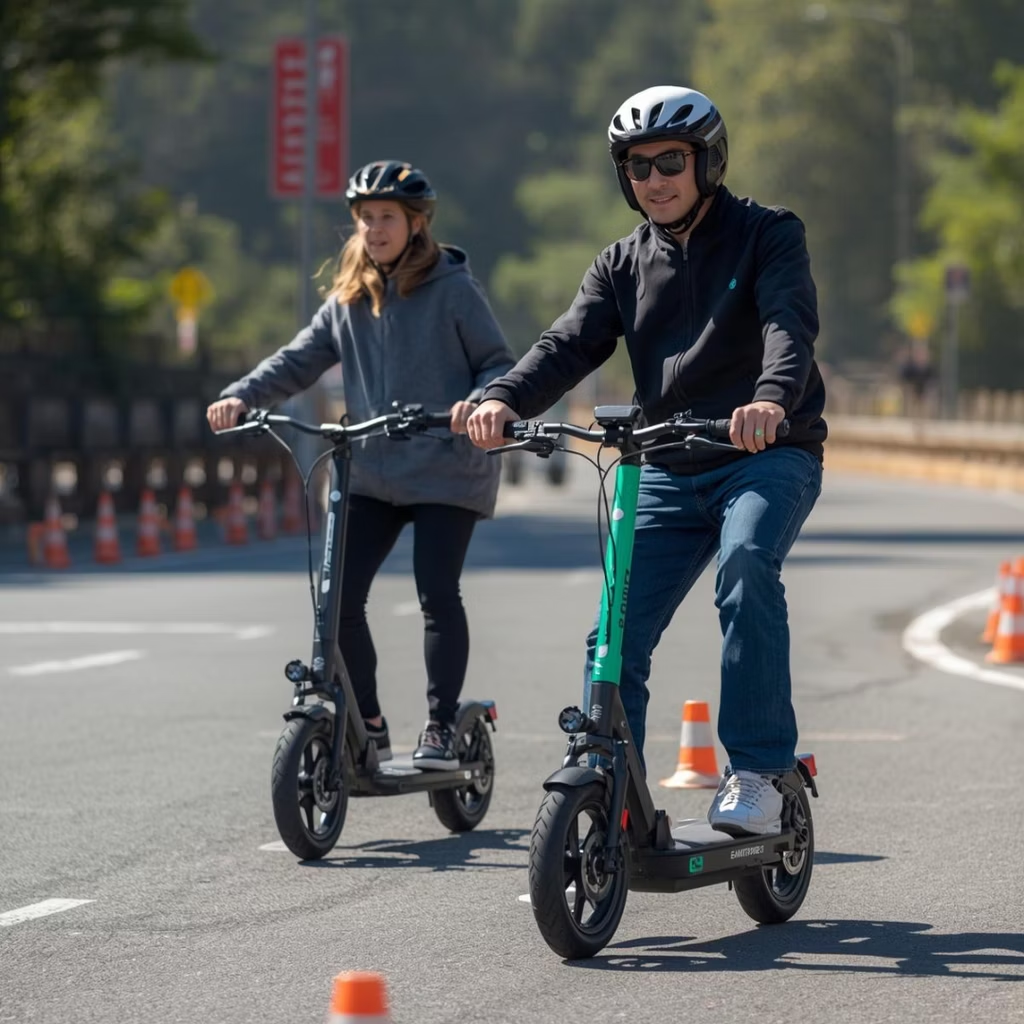
The distinction between Personal Mobility Aids (PMDs), such as escooters, and Power-Assisted Bicycles (PABs), like ebikes, is crucial for ensuring safety and compliance within the cycling and mobility community. Separate tests for these categories serve to accurately assess the unique functionalities and risks associated with each mode of transport. PMDs are often utilized in urban settings where agility and ease of use are prioritized, whereas PABs offer a blend of pedal power and motor assistance that sometimes requires a different skill set and awareness of road regulations. As such, the differing testing protocols ensure that operators of each vehicle type are well-versed in their particular operational guidelines, enhancing overall safety on public roads and pathways. Mixing up these categories can lead to significant legal implications. For instance, using an ebike license to operate an escooter could result in penalties or liability issues in the event of an incident. The Land Transport Authority (LTA) has laid out these regulations to protect users and uphold public safety. Proper certification means riders are informed about the specific risks associated with their devices, thereby reducing accidents and improving overall compliance with legal standards. Therefore, it is essential not only to understand the differences between these vehicles but also to ensure that appropriate testing and licensing processes are followed to mitigate legal risks associated with improper usage.
Legal Risks of Using the Wrong License: Consequences to Consider
Using an ebike license to operate an escooter may seem like a convenient shortcut, but it comes with significant legal risks that shouldn’t be overlooked. Possessing the wrong type of license can lead to severe consequences, including hefty fines and penalties. Regulatory bodies, such as the Land Transport Authority (LTA), have strict definitions and requirements for Personal Mobility Devices (PMDs) and Power-Assisted Bicycles (PABs). Therefore, riding an escooter without the appropriate license could make the rider liable not only for vehicle-related infractions but also for any accidents or damages that occur while operating the device. This liability can encompass medical costs and property damage, making it crucial for users to understand the full scope of their legal responsibilities. Additionally, the separation of tests for ebikes and escooters is a pivotal factor in understanding compliance. Each type of vehicle has unique characteristics and regulations, and possessing an ebike license does not grant the holder the legal right to operate an escooter. Individuals found in violation of these regulations face the potential for not only financial repercussions but also an increased likelihood of legal trouble should an incident arise. To avoid these risks, it is vital for riders to educate themselves about their local laws and ensure they have the correct licensing before taking to the roads or paths on these popular modes of transport.
Practical Tips for E-Mobility Users: Staying Legal and Safe
As e-mobility users, understanding and adhering to the Land Transport Authority (LTA) regulations is crucial for both your safety and legal compliance. The first step towards staying legal is to know the differences between e-bikes and escooters, particularly in terms of licensing. While both offer convenient modes of transport, they are categorized differently under the law. Therefore, it is essential to complete the training and testing specific to each device. Users should consider undertaking the ebike and escooter theory tests separately to grasp the unique operational rules and safety requirements for each vehicle. This knowledge not only empowers you to ride responsibly but also eliminates potential legal risks associated with improper licensing. Failure to comply could result in fines or penalties, undermining the convenience these devices provide. Furthermore, staying informed about any changes in regulations will keep you above board. Regularly check LTA’s updates and engage with local e-mobility communities to share insights and experiences. Additionally, consider participating in skill training sessions and safety workshops offered by various organizations. By fostering a culture of safety and compliance, you not only protect yourself but also contribute to a respectful and responsible e-mobility environment in your community.
Wrapping Up: The Importance of Knowing Your E-Mobility Rights and Responsibilities
In conclusion, navigating the legal framework surrounding e-bikes and e-scooters can indeed feel like traversing a complex maze. While both modes of transport share similarities, the licensing requirements and regulations can vary significantly depending on your location. Understanding these differences is crucial for safe and legal riding. If you currently own an e-bike and are considering transitioning to an e-scooter, it is essential to check with local authorities to ascertain whether your e-bike license is valid for e-scooter use. This diligence can save you from potential fines and legal complications. Ultimately, being informed about the regulations governing your ride is not only about compliance but also about contributing to safer streets for everyone. As the popularity of e-bikes and e-scooters continues to rise, proactive engagement with local laws will enhance your riding experience and help promote responsible usage in your community. So whether you’re cruising on two wheels or four, ensure that you’re legally covered and riding responsibly to enjoy your experience to the fullest.
This post is super helpful for anyone new to e-mobility in Singapore! I really like how it explains the differences between ebike and escooter regulations, especially how LTA has set separate rules and tests. Too many people just assume both are the same, but this blog makes it clear that understanding and complying with each license is important. As someone who uses both, I appreciate the practical advice to regularly check for updates from LTA and encourage others to share tips.
Staying compliant not only keeps us out of trouble but also shows we are responsible members of the e-mobility community. Taking the right test for the right vehicle means we all ride safer and avoid unnecessary risks or fines. If more people read this kind of guide, maybe the confusion will go away and everyone can enjoy their rides more confidently!
Great recap Gavin, but I wonder if riders actually read up on these rules or just follow what their friends say. The post says we should check the LTA site, but isn’t that info quite hard to find sometimes? Maybe it’s not just about knowledge but also how accessible the rules are.
You’re right Fiona! The info isn’t always easy to find, but this is why posts like this are so useful. If the community helps share reliable resources and summaries, more people will know what they need to do. Sometimes, reading official sites can be tough, so clear guides or summary posts are valuable.
Moderator here – just a reminder to keep the discussion focused on how to improve awareness of the rules, not personal complaints about authority. If you have helpful links or sources, do share them for everyone’s benefit!
Also, if anyone has found a simplified version of LTA’s latest updates on PMD and PAB licensing, please link it here! Would help everyone a lot.
Sometimes, word of mouth is faster, but it spreads wrong info. Maybe LTA should use more social media to reach riders where they are.
Yeah, official info needs to be clearer. Even kopitiam uncle also blur about which license for which device.
Totally agree. More visibility on platforms like Instagram or Telegram could help, especially for younger riders.
I agree the info is clear, but honestly, does it make sense to have two separate licenses when the traffic rules are mostly the same? It feels a bit like over-regulation. Isn’t it just a way to collect more fees and catch people out with fines? Why can’t they combine the tests if safety is the priority?
I see where you’re coming from, Siti, but the main thing is that ebikes and escooters really do handle differently. Ebikes go faster, have different road rules, and must obey bicycle signs, while PMDs are restricted from roads. Keeping the tests apart means riders are prepared for the unique risks of each one. It’s not just about fees—it’s about making sure everyone knows what they’re doing.
But lots of people don’t understand these differences, and end up accidentally breaking the law. If the rules are so specific, maybe LTA should do more outreach instead of focusing on penalties.
I still don’t see why the theory part can’t just be merged, maybe only make the practical separate? Double the theory test really waste time for those who want to use both devices.
While it’s true that there are differences, sometimes these rules seem a little too strict. For example, if someone is a safe ebike rider, shouldn’t that experience count for something when switching to a PMD?
Experience should count, but theory helps to refresh knowledge, especially about which device can be used where. Not everyone rides both legally, so a clear line helps enforcement.
Maybe they can offer a shorter ‘conversion course’ for people who already have one license, so it’s not as troublesome or repetitive.
Thanks for explaining the difference between ebike and escooter licenses. I always thought they were same, but now I realise I need to check my own license before riding anything new.
I’m still confused—if I already have an ebike license, is there any shortcut to getting an escooter license or do I need to start from scratch?
Hi Fazilah, we understand it can be confusing! Currently, even if you have an ebike license, you must still take the separate escooter (PMD) theory test as required by LTA. There’s no shortcut; each license covers different rules and skills for safe riding.
Very clear article! I feel many people blur between e-bike and e-scooter rules, so this helped me understand why proper test and license is important. Better to follow the law than kena summon.