


In the vibrant landscape of electric bicycles, the comparison of ebikes in Singapore vs Malaysia reveals two very different markets that cater to unique rider needs and preferences. While Singapore prioritises strict regulations to ensure safety and compliance, Malaysia offers a wider range of electric bike options with fewer restrictions.
Singapore’s regulatory framework means that only approved models can be legally used, which often results in limited designs and higher prices. In contrast, Malaysia provides a broader selection of electric bicycles that are generally more affordable and accessible to riders.
However, the ease of purchasing in Malaysia also comes with potential challenges, including the risk of scams and unreliable sellers. Because of these differences, understanding ebikes in Singapore vs Malaysia can help riders make a more informed decision when choosing their next electric bicycle.
Regulations for Ebikes in Singapore vs Malaysia
When comparing ebikes in Singapore vs Malaysia, regulations are one of the biggest differences between the two countries. In Singapore, electric bicycles must comply with standards set by the Land Transport Authority (LTA).
These regulations ensure that safety remains the top priority, but they also create a more limited market for electric bicycles. Riders who want to purchase an ebike in Singapore must ensure that the model is LTA-approved and meets the required specifications.
Although the strict framework limits design flexibility, it guarantees that approved models meet safety standards. Because of this, riders comparing ebikes in Singapore vs Malaysia often notice that Singapore models are generally more expensive but also more tightly regulated.
Malaysia, on the other hand, operates with fewer restrictions on electric bicycles. While there are still safety considerations, the regulatory environment allows for more flexibility in design and production.
Design Differences Between Ebikes in Singapore and Malaysia
Another important factor when comparing ebikes in Singapore vs Malaysia is the difference in design variety. Singapore’s strict regulatory environment means that manufacturers must meet specific technical requirements before their electric bicycles can be approved for sale.
This approval process reduces the number of models available in the market. Manufacturers must ensure that their designs comply with strict guidelines, which can increase production costs and limit customization options.
Riders who use non-approved electric bicycles in Singapore may face severe penalties, including fines of up to S$2,000 or imprisonment for up to three months for a first offense.
Meanwhile, Malaysia offers a much wider variety of electric bicycle designs. Manufacturers have more freedom to produce different models, allowing consumers to choose from a broader range of options that suit their lifestyle and budget.
Market Variety and Model Availability
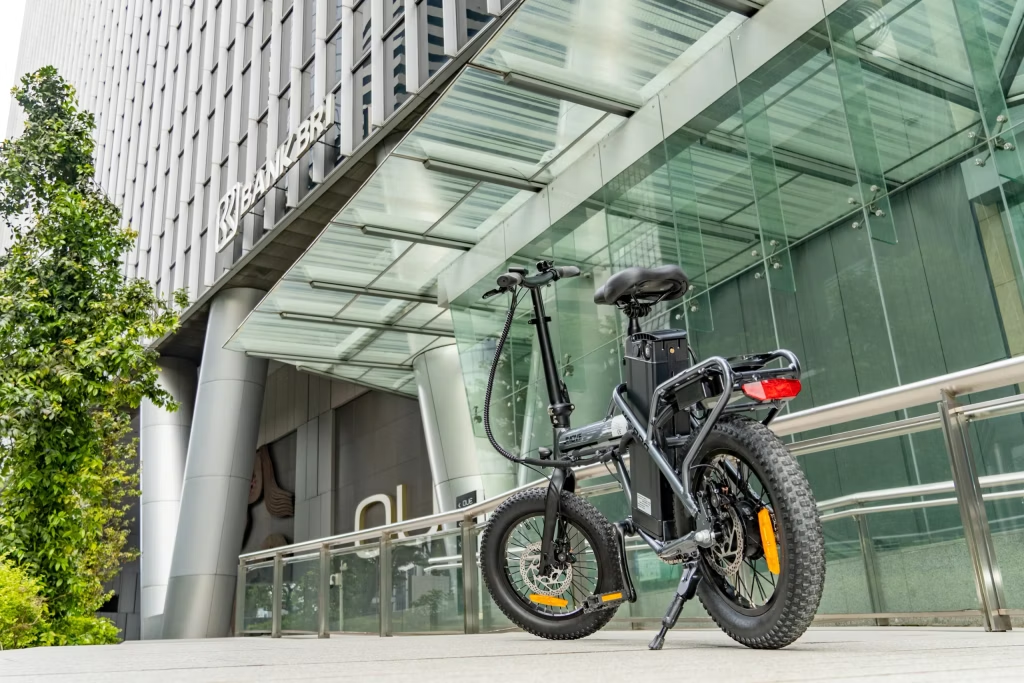
Malaysia offers a vibrant and diverse market for electric bicycles. Riders comparing ebikes in Singapore vs Malaysia will quickly notice that Malaysian markets feature a wider variety of designs, battery capacities, and performance levels.
This diversity allows riders to choose electric bicycles that fit their needs, whether for commuting, recreational riding, or delivery work. From lightweight commuter bikes to powerful cargo models, Malaysian markets provide more options.
Another advantage of Malaysia’s market is affordability. Because manufacturers are not restricted by strict certification processes, production costs remain lower, which often translates into more competitive pricing for consumers.
However, buyers should remain cautious when purchasing electric bicycles in Malaysia. The larger market can sometimes lead to misleading offers or unreliable sellers. Checking online reviews and verifying the credibility of retailers is essential when exploring the Malaysian ebike market.
Price Comparison: Ebikes in Singapore vs Malaysia
Price differences are another major consideration when analysing ebikes in Singapore vs Malaysia. In Singapore, electric bicycles must pass strict regulatory checks before they can be legally sold and used. These requirements often increase manufacturing and certification costs.
Because of this, electric bicycles in Singapore tend to be more expensive. Riders must also ensure they purchase LTA-approved models to avoid fines or penalties.
Malaysia’s market, however, offers more competitive pricing due to fewer regulatory barriers. Manufacturers can introduce a variety of models without undergoing complex approval processes.
As a result, consumers comparing ebikes in Singapore vs Malaysia often find that Malaysia offers lower prices and greater product variety.
Legal Implications of Using Non-Approved Ebike Singapore
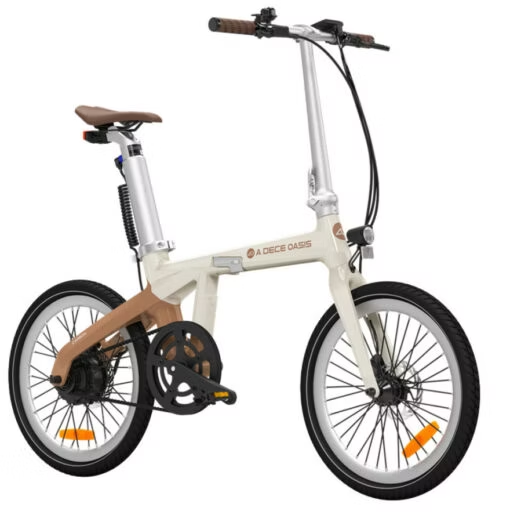
The legal implications of using non-approved ebike Singapore rules are quite severe, as the country has strict regulations set by the Land Transport Authority (LTA). Riders of non-compliant ebikes can face hefty fines of up to S$2,000 and imprisonment of up to three months for a first offense. Additionally, e-bike users must ensure that their vehicle is equipped with a valid number plate; otherwise, they risk being fined up to S$1,000 and also facing a three-month jail term on first conviction.
This rigorous enforcement ensures that only safe and approved ebikes are used on the roads, promoting a safer riding environment for everyone. The need for compliance can also lead to limited choices in designs and models for ebike Singapore models, as they must adhere to specific guidelines and undergo inspections, ultimately making them more expensive for consumers.
In contrast, Malaysia presents a more relaxed regulatory landscape for ebike enthusiasts. The country boasts a wider variety and affordability of ebike models, giving potential riders ample options to choose from. However, it is essential for consumers to remain vigilant, as the abundance of choices also increases the risk of scams. Conducting thorough research, such as checking Google reviews and verifying the credibility of the sellers, can help mitigate these risks. While the lack of stringent regulations may seem appealing for Malaysian ebike users, it is crucial to understand the trade-offs and ensure that safety and reliability remain a priority in their purchasing decisions.
Choosing Between Ebikes in Singapore and Malaysia
In conclusion, the decision to purchase an ebike Singapore or Malaysia ebike model boils down to individual preferences and regulatory considerations. While Singapore offers a more regulated environment that emphasizes safety and environmental standards, it comes with limitations in design and higher costs due to compliance with the LTA regulations. Riding a non-approved model of ebike Singapore can lead to hefty fines, making it crucial for users to invest in LTA-compliant models to avoid legal repercussions.
Thus, individuals interested in safety and reassurance might lean towards Singapore’s structured ebike framework, despite the higher price point. On the other hand, Malaysia presents a more budget-friendly alternative, laden with an array of designs and models. However, the abundance of choices can sometimes lead to potential scams, hence the necessity to thoroughly research sellers and check reviews. Users in Malaysia enjoy more freedom in customization but should remain vigilant about the credibility of their purchases. Ultimately, whether you opt for an ebike in Singapore or Malaysia, ensuring that you align your choice with your financial capabilities and riding preferences will lead to a more satisfying experience.
The stricter regulatory environment in Singapore may be a turn-off for some, but for those who value safety, it’s reassuring to know that the government is prioritizing compliance. Has anyone considered the environmental impact of e-bikes in Malaysia? Would be interesting to see that discussed in a follow-up article.
Hi Simon, thank you for bringing up the great point about the environmental impact of e-bikes in Malaysia! We acknowledge your concern and take it seriously. At Eko Life, we strive to provide comprehensive and informative content for e-mobility enthusiasts. Our next article will indeed focus on the environmental aspects of e-bikes in Malaysia and compare it with Singapore. We’ll explore the differences in emission controls, energy efficiency, and sustainable practices adopted by manufacturers and users in both countries. To stay updated on our next article, please feel free to contact us at [email protected] or reach us directly at +65 6589 8877.
I’m surprised by the affordability of e-bikes in Malaysia. It sounds like a great option for those looking for a budget-friendly alternative, but I’m concerned about the risk of scams. Maybe the blog could provide more tips for finding trustworthy sellers?
We completely agree with you, Khairul Hadi! The affordability of e-bikes in Malaysia is indeed a major draw, but we also want to emphasize the importance of being cautious when buying from sellers. To help our readers, we can provide some tips on finding trustworthy sellers, such as checking for licenses, online reviews, and asking for references. Our team of experts can also offer guidance on this, so please don’t hesitate to reach out to us at [email protected] or call us at +65 6589 8877. We’re always here to help!
The blog highlights the pros and cons of e-bike ownership in Singapore and Malaysia, giving readers a clear comparison between the two markets. However, it would be great to see more information on the future outlook of e-bike industries in both countries.
Dear Jamie Yap, thank you for sharing your thoughts on our blog post. We’re glad you found the comparison helpful. We take your suggestion to explore the future outlook of e-bike industries in both countries seriously and are working on researching this topic. However, as of now, our focus is on providing reliable information on e-mobility products in the Southeast Asian region. For any specific inquiries or requests for more information on the e-bike industry in Singapore or Malaysia, please feel free to contact us at [email protected] or +65 6589 8877. We value your feedback and will take it into consideration for our future content.