


Thinking of buying electric bike in Singapore? In recent years, e-bikes have surged in popularity, transforming the way Singaporeans commute and explore their vibrant city. As a first-time buyer, navigating the myriad of options available can be overwhelming. From understanding the legal regulations surrounding e-bike usage to distinguishing between different types of models and features, this guide is designed to provide you with all the essential information you need to make an informed decision that suits your lifestyle and budget. Whether you’re considering an electric bicycle for daily commuting or weekend adventures, making the right choice can enhance your cycling experience significantly. Throughout this guide, you’ll learn about crucial factors to consider when purchasing an e-bike, such as battery life, motor power, and comfort features. Additionally, we will discuss the best practices for maintaining your e-bike, tips for safe riding in urban areas, and insights into the growing e-bike community in Singapore. By equipping yourself with the knowledge outlined here, you’ll be well-prepared to embark on your e-bike journey and join the ranks of countless others who enjoy the benefits of sustainable and efficient transportation.
Understanding E-Bikes: What Sets Them Apart?
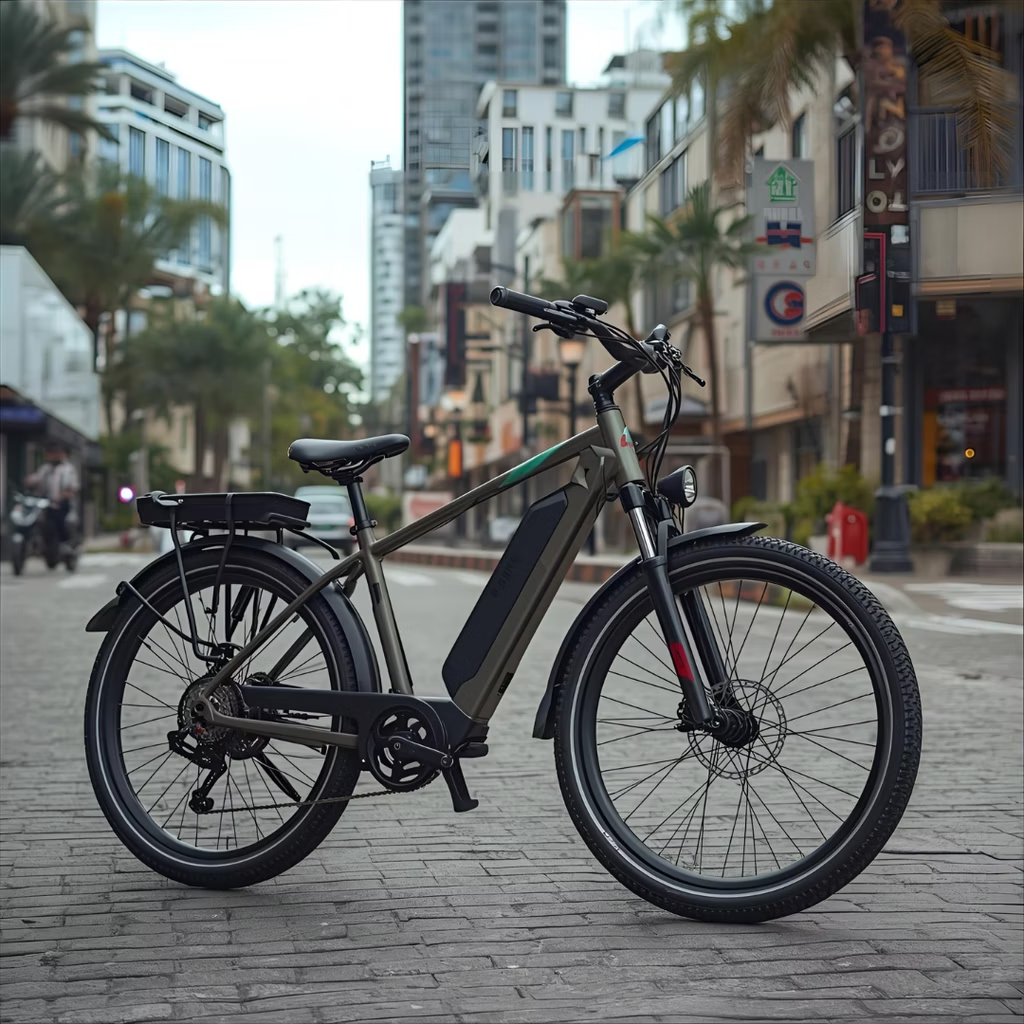
E-bikes, or electric bikes, are revolutionizing the way we think about transportation, particularly in a bustling city like Singapore. At their core, e-bikes are traditional bicycles equipped with an electric motor that provides assistance to the rider. This motor is powered by a rechargeable battery, and it works in tandem with the bike’s pedaling, making it easier to tackle hills and longer distances. Unlike traditional bicycles that rely solely on human power, e-bikes offer a more versatile and convenient commuting option, especially for those who may face physical challenges or wish to arrive at their destinations without breaking a sweat. The integration of technology into cycling not only enhances the riding experience but also promotes eco-friendly transportation, reducing reliance on cars and contributing to a greener environment in urban settings like Singapore. What sets e-bikes apart from conventional bicycles is their innovative blend of efficiency and comfort. With varying levels of pedal assistance, riders can choose how much support they need during their journey, allowing for a tailored riding experience. This adaptability is particularly beneficial for commuting in Singapore’s humid climate, where the added assistance can make a significant difference. Understanding the unique mechanics of e-bikes, along with considerations like battery life, charging habits, and compliance with LTA regulations, can empower first-time buyers to make informed decisions and fully embrace the advantages that e-bikes offer in their daily travels.
LTA Regulations: What First-Time Buyers Need to Know
When considering the purchase of an electric bike in Singapore, it’s essential for first-time buyers to familiarize themselves with the regulations set by the Land Transport Authority (LTA). These regulations are designed to ensure the safety of both e-bike riders and pedestrians. E-bikes must adhere to specific requirements, such as weight limits and speed restrictions, with the maximum allowable speed capped at 25 km/h. Additionally, e-bikes should possess a power output that does not exceed 250 watts. Ensuring compliance with these rules not only enhances the safety of your riding experience but also helps you avoid potential fines or penalties that could arise from non-compliance. Thus, understanding LTA regulations is a vital step in the buying process of an electric bike in Singapore. To seamlessly integrate safely into the city’s transportation network, first-time buyers should choose LTA-approved models. Riders must also familiarize themselves with designated bike lanes and paths, as riding on footpaths is generally prohibited unless specified. By aligning your e-bike choice with these regulations, you not only protect yourself but contribute to a safe riding environment for everyone. In summary, being informed about LTA regulations will pave the way for a safer and more enjoyable e-bike experience in Singapore.
Battery Safety and Maintenance: Ensuring Longevity and Safety
When investing in an electric bike in Singapore, understanding battery safety and maintenance is crucial for both longevity and rider safety. E-bike batteries, typically lithium-ion, can pose risks if not handled properly. To mitigate these risks, it is essential to follow best practices, such as avoiding extreme temperatures and not letting the battery completely discharge before recharging. Regularly checking for signs of wear or damage, such as swelling or corrosion, should also be part of your maintenance routine. By prioritizing these safety measures, riders can ensure that their e-bike batteries operate efficiently and without danger. Proper charging habits are another significant aspect of battery maintenance. It’s advisable to use the charger that came with your e-bike and to avoid overcharging, which can lead to overheating and potentially reduce the battery’s lifespan. Aim to charge the battery in a cool, dry location and unplug it once fully charged. Additionally, taking steps to store your e-bike properly during prolonged periods of non-use, such as ensuring a charge level of around 50%, can greatly enhance battery performance. Ultimately, adhering to these safety and maintenance guidelines will not only prolong the life of your battery but also provide a reliable and secure riding experience in Singapore.
Commuting Considerations: Distance, Routes, and Practical Uses
When considering an e-bike for commuting in Singapore, it’s crucial to assess your daily distances and routes. The compact size of Singapore makes it possible to cover relatively short distances efficiently, but it’s important to calculate your specific needs. Most e-bikes can comfortably handle commutes of up to 30 kilometers on a single charge, allowing for both flexibility and range. Evaluate the distance from your home to your workplace or destination, and consider how often you plan to make that trip. Additionally, remember to factor in any other journeys you may take on a regular basis, such as errands or social outings, to ensure your e-bike can accommodate those distances without the need for frequent recharging. This evaluation will guide you to the right model based on battery capacity and riding style, ensuring you select an electric bike in Singapore that meets your commuting requirements. Route selection also plays a significant role in the practicality of using an e-bike for everyday transportation. In a city like Singapore, where there are dedicated bike lanes and paths, choosing routes that prioritize cyclist safety will enhance your commuting experience. Investigate the existing cycling infrastructure along your planned routes and identify any potential obstacles, such as steep hills or areas with heavy traffic. Knowing these factors can help you choose a bike with appropriate power assistance or features that suit your specific route, making your daily commutes not only manageable but also enjoyable. Understanding both the distance and routes that you’ll frequently navigate ensures you make an informed decision as a first-time e-bike buyer, ultimately maximizing the benefits of this modern mode of transport.
Charging Habits: Setting Up for Success
Establishing good charging habits is essential for maximizing the performance and longevity of your electric bike in Singapore. First-time buyers should aim to charge their e-bikes at optimal times, ideally during off-peak electricity hours to save on costs and reduce the load on the grid. Furthermore, it is advisable to avoid letting the battery fully discharge before recharging. Keeping the battery level between 20% and 80% ensures less stress on the battery, enhancing its lifespan. Regularly monitoring your battery’s health and using slow and steady charging methods will also contribute toward maintaining its efficiency over time. Additionally, storing your e-bike in a cool, dry place can help avoid overheating issues during charging, notably critical in Singapore’s humid climate. Employing a battery management system, if your e-bike supports one, can provide alerts and insights into the battery’s condition, ensuring it is always ready when you need it on your commute. By following these charging best practices and being aware of battery management techniques, first-time e-bike owners can set themselves up for a smooth and efficient riding experience, fully enjoying the benefits of electric biking in Singapore.
E-Bikes vs. Traditional Bicycles: A Comparative Analysis
When it comes to choosing between e-bikes and traditional bicycles, both options cater to different lifestyles and needs. E-bikes, or electric bikes, provide an added boost through pedal-assist technology, which can make cycling less strenuous, particularly for longer distances or hilly terrains in Singapore. They offer the advantage of a quicker commute, allowing riders to reach their destinations faster without breaking a sweat. However, e-bikes come with considerations such as battery life, weight, and the potential for higher upfront costs. Additionally, users must be mindful of LTA regulations regarding the use of electric bikes on public roads and paths, ensuring compliance for a safe ride. On the other hand, traditional bicycles offer simplicity, lower costs, and no dependency on batteries, making them a greener choice in terms of sustainability. They also encourage physical fitness and are easier to maintain. However, traditional bikes may require more effort, especially when commuting long distances in Singapore’s humid climate. To make an informed decision, potential buyers should assess their commuting needs, fitness levels, and preferences. For instance, if capability for tackling longer journeys with less exertion is crucial, an electric bike in Singapore may be the better fit. Alternatively, for those living close to their work or who prefer a more active lifestyle, a traditional bicycle could suffice. Ultimately, understanding the pros and cons of each option will help first-time buyers select the one that best aligns with their daily routine and lifestyle goals.
Making the Right Choice: Your E-Bike Journey Begins
In conclusion, purchasing an e-bike in Singapore can be an exciting venture for first-time buyers, offering numerous benefits such as convenience, eco-friendliness, and ease of commuting in an urban environment. By understanding the key factors outlined in this guide, including the types of e-bikes available, legal regulations, and the importance of safety gear, you can make an informed decision that best suits your needs and lifestyle. Remember to always test-ride different models to find what feels right for you, and don’t hesitate to explore local communities and resources for advice and support in your e-bike journey. As you embark on your e-bike adventure, keep in mind that maintenance and care for your new ride are equally important. Regular upkeep will ensure longevity and optimal performance, making your investment worthwhile. Stay informed about e-bike trends and local regulations to enhance your riding experience and safety on the roads. Embrace the joy of cycling with an e-bike, and enjoy the freedom it brings to your urban commute in Singapore!
This guide is a real lifesaver for first-time e-bike buyers in Singapore! The way it lays out the LTA rules, compares different types, and explains charging habits makes everything so much clearer. I especially like how it points out the benefits like eco-friendliness and reducing commute times—these are huge for city living!
Honestly, I wish more guides were this thorough. The practical tips, especially about maintaining the battery and choosing the right model for your route, help avoid costly mistakes. It’s great that it highlights the growing community here too, which means support and advice are always just around the corner. Looking forward to seeing more people join the e-bike movement!
It sounds impressive, but do you think it’s really that easy for first-timers? I feel like the maintenance and charging routines can be pretty overwhelming, especially with all the battery safety stuff. Also, what if someone struggles to find LTA-approved models or reliable service centres? This could become a hassle fast.
You bring up a fair point, Michael. I agree the maintenance part seems daunting at first, but the guide explains easy habits like regular charging and checking for damage, which is quite manageable with a bit of discipline. As for finding LTA-approved models, more shops are now clearly labeling compliant bikes, and community forums can help spot trusted service centres. The learning curve is there, but with resources like this guide, anyone can ease into it.
Your answer makes sense, Sarah. Maybe it’s about building new habits. Still, I hope e-bike sellers in Singapore provide enough support in the buying process, especially for people who aren’t tech-savvy!
I guess practice makes it easier, but battery replacements can be expensive if something goes wrong. Maybe we need better warranty coverage or user education sessions from shops.
Even if you can find LTA-approved models, riding conditions, weather, and local restrictions can still surprise you. Not everyone’s routine is suited for an e-bike, despite what the guide says.
That’s why the section on commuting considerations is useful—it helps you calculate if your daily routines match what an e-bike can offer. It’s definitely not a one-size-fits-all though, but the guide does set realistic expectations.
Thanks for sharing your thoughts, Sarah! Just a quick reminder for everyone to keep the discussion focused on practical tips, regulations, and your first-hand experiences with buying or riding e-bikes in Singapore. Let’s keep it helpful for new buyers!
I see lots of positives but what’s the real lifespan of these e-bike batteries in Singapore’s humidity? Are replacements readily available or will users be stranded after a couple years?
From what the guide mentions and my own research, good maintenance can make e-bike batteries last 2-3 years, sometimes longer with careful charging. Replacement batteries are getting easier to find locally as more shops stock common brands.
That’s reassuring! I was worried about the support here, but sounds like it’s improving.
Still, the replacement cost isn’t cheap. Wish guides like this included rough prices for spares.
Good breakdown of everything I need to know for buying my first e-bike! I didn’t realise battery maintenance is so important. Thanks for explaining the LTA rules clearly.
Is it easy to find spare parts or service for e-bikes in Singapore if something goes wrong?
Yes, Singapore has a growing support network for e-bike maintenance. At Escooter Singapore, we offer servicing and spare parts for most major e-bike brands, making it convenient for customers to keep their e-bikes in good condition.
Very detailed guide, really helpful for someone new like me. I like how you compare e-bikes and normal bikes, now I know what to look out for before spending the money.