


The popularity of electric scooters in Singapore has soared in recent years, transforming daily commutes and leisure rides alike. As more residents and visitors embrace this eco-friendly mode of transport, staying updated on the latest regulations is crucial. With new electric scooter laws coming into effect in 2026, understanding where you can ride, what rules you must follow, and the penalties for violations has never been more important. Whether you’re a seasoned e-scooter enthusiast or just considering your first purchase, clear knowledge of the legal landscape can help ensure a safe and hassle-free experience. This comprehensive guide will break down the key changes in Singapore’s electric scooter regulations, detailing the locations where riding is permitted, essential safety requirements, and the penalties for non-compliance. By providing a clear overview of the latest rules, we aim to help riders, pedestrians, and motorists alike coexist harmoniously on the nation’s pathways and roads. Read on to discover everything you need to know about electric scooter laws in Singapore for 2026.
E-Scooter Landscape in Singapore: The 2026 Reality
In 2026, the electric scooter landscape in Singapore is defined by a strict but clear regulatory environment. Despite widespread misconceptions, electric scooters are not entirely banned; rather, their use has been tightly circumscribed to enhance public safety and order. E-scooters remain legal, but riding them on public roads and footpaths is strictly prohibited. Instead, users can only operate electric scooters on designated cycling paths and park connectors. The authorities have set this boundary to strike a balance between embracing innovative personal mobility solutions and safeguarding pedestrians and motorists in the densely populated city-state. This regulated approach means Singapore’s e-scooter users must adhere to several key rules, from mandatory safety certifications (UL2272 standard) and compulsory registration with the Land Transport Authority (LTA), to strict speed limits and age restrictions. Riders must also pass an LTA theory test before taking to the paths. Non-compliance is met with tough penalties, including fines up to $2,000 or even jail time for major offences. While the rules might seem stringent, they allow electric scooters to maintain a legitimate—though limited—role in Singapore’s evolving mobility ecosystem, catering to last-mile commuters and leisure enthusiasts who stay within the law. In sum, e-scooters in 2026 are very much present in Singapore, but their use is guided by a robust framework designed to keep both riders and the public safe.
Where You Can (and Can’t) Ride: Path Restrictions Explained
Understanding where you can legally ride your electric scooter in Singapore is crucial to avoiding hefty fines and ensuring public safety. As of 2026, electric scooters are strictly allowed only on dedicated cycling paths and park connectors. The authorities have made it clear that both public roads and footpaths remain off-limits to e-scooter riders. These path restrictions are enforced to separate faster-moving devices from pedestrians, reducing the risk of accidents and ensuring a safer urban environment for all. Violators who ride outside these designated areas face steep penalties, including fines of up to $2,000 or even jail time, reflecting the seriousness with which Singapore treats these regulations. The rationale behind these path restrictions stems from past incidents involving e-scooters on crowded footpaths and busy streets, which endangered pedestrians and disrupted traffic. By confining e-scooter usage to cycling paths and park connectors, the government aims to strike a balance between encouraging eco-friendly commuting and maintaining public order. This approach means that commuters using electric scooters need to carefully plan their journeys, often matching routes to coincide with available cycling infrastructure. Recreational riders also benefit from safer, purpose-built environments, but must remain vigilant and comply strictly with the law. Overall, knowing where you can—and can’t—ride is not only essential for legal compliance, but also contributes to a safer and more harmonious shared urban space.
Key Rules Every E-Scooter Rider Must Follow
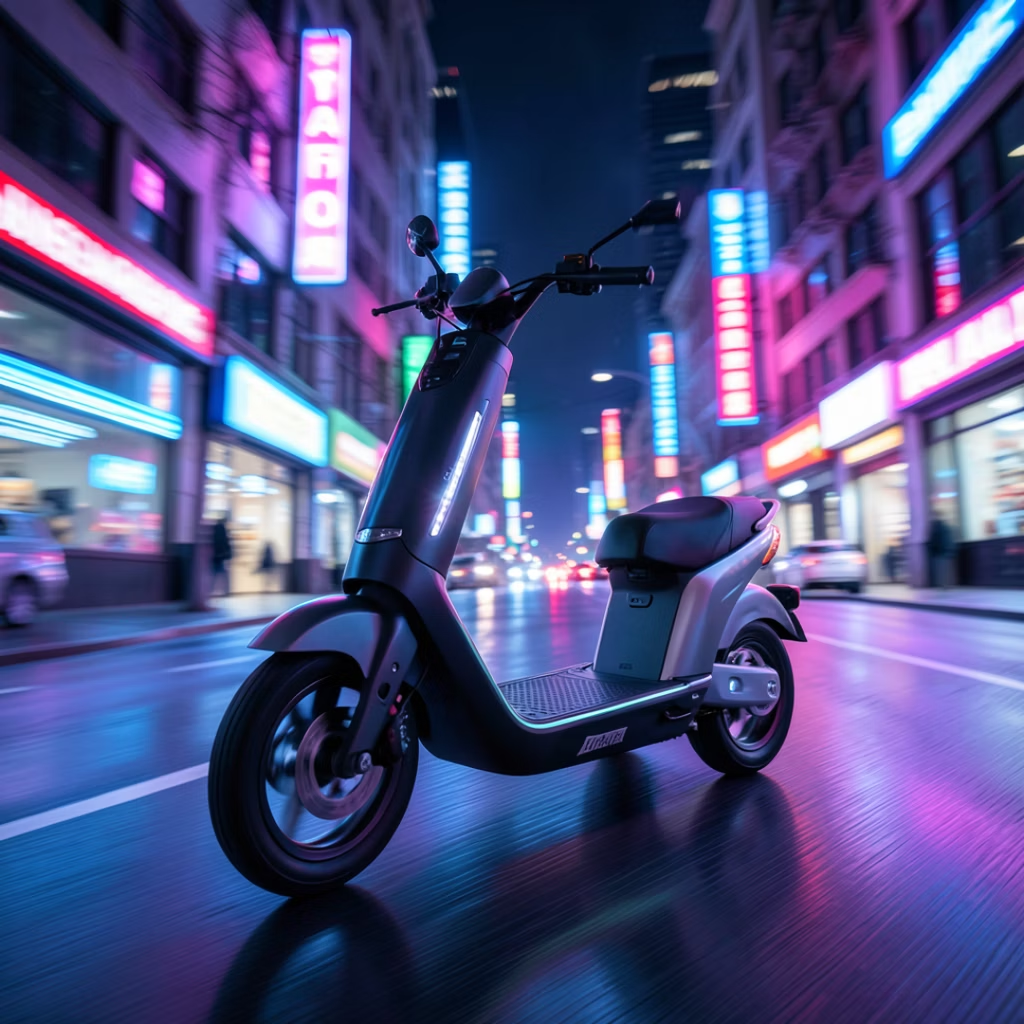
In Singapore, staying on the right side of the law as an electric scooter rider means adhering to a set of clear-cut regulations implemented by the authorities. First and foremost, every e-scooter in use must be UL2272 certified—a safety standard aimed at minimizing fire hazards. Riders are also required to register their devices with the Land Transport Authority (LTA) and visibly display their unique registration marks at all times. Only individuals aged 16 years and above can legally operate an e-scooter, and passing a mandatory theory test is compulsory to ensure knowledge of traffic rules and safe riding habits. Compliance doesn’t end there; helmets are strongly recommended, enhancing personal safety, and are required for certain devices and on specific routes. Equally important are the rules concerning where and how fast you can ride. E-scooters are strictly prohibited on public footpaths and roads, limiting their use to designated cycling paths and park connectors. To reduce the risk of accidents, a maximum speed limit of 25km/h is enforced on these approved routes. Riders found using non-UL2272 certified or illegally modified e-scooters risk heavy penalties, which may include fines of up to $2,000 or jail time. By observing these essential regulations, both current and aspiring e-scooter users can ensure a safer, more harmonious coexistence with pedestrians and other path users, while steering clear of legal troubles.
Who Can Ride? Age, Testing & Safety Requirements
To legally ride an electric scooter in Singapore as of 2026, there are strict eligibility criteria that every user must meet. Firstly, the law mandates that riders be at least 16 years old, a requirement designed to ensure that individuals have the physical and cognitive maturity needed to operate e-scooters safely on shared paths. In addition to the age restriction, all riders must pass a compulsory theory test administered by the Land Transport Authority (LTA). This test covers essential rules, safety practices, and local regulations, equipping riders with the knowledge to navigate cycling paths and park connectors responsibly. These measures reflect the government’s commitment to fostering a culture of safety and awareness among all users. Beyond age and testing, prospective e-scooter riders should be aware of other foundational requirements. Only e-scooters certified with the UL2272 standard for fire safety, and properly registered with the LTA, are permitted on designated cycling paths and park connectors. Every rider must also display the registration mark on their device and adhere to a maximum speed limit of 25km/h. Collectively, these requirements aim to minimize accidents, reduce fire risks, and enhance overall public safety. By upholding strict entry standards and enforcing proper education, Singapore ensures that only responsible, well-informed individuals take to the paths on electric scooters.
Penalties and Enforcement: What Happens If You Break the Law?
Breaking Singapore’s strict electric scooter laws in 2026 can lead to severe consequences that go beyond a simple warning. Common offences such as riding your e-scooter on forbidden areas like footpaths or roads can result in hefty fines of up to $2,000, and in some cases, jail terms of up to three months for first-time offenders. Repeat offenders or those committing more serious violations, such as using non-UL2272 certified scooters or riding illegally modified vehicles, may face even stiffer penalties, including extended imprisonment and higher fines. The Land Transport Authority (LTA) has the authority to seize non-compliant e-scooters on the spot, and riders without valid registration or who fail the mandatory theory test also risk enforcement action. To ensure rules are followed, Singaporean authorities conduct frequent spot-checks and enforcement operations along cycling paths, park connectors, and areas notorious for illegal e-scooter use. There have been documented cases where individuals faced prosecution and fines after being caught riding unregistered or non-certified e-scooters, or for speeding above the legal 25km/h limit. Public awareness campaigns, as well as increasing deployment of plainclothes officers, underscore the government’s commitment to strict e-scooter law enforcement. These real-world examples serve as stern reminders: compliance isn’t just about avoiding fines—it’s crucial for maintaining public safety and ensuring that electric scooters remain a viable, regulated mode of transport in Singapore.
Staying Safe and Legal: Tips for Responsible E-Scooter Usage
To enjoy the benefits of electric scooter travel in Singapore while staying within the law, riders should always be mindful of current regulations and best practices. Before setting out, familiarize yourself with the designated riding areas—remember, e-scooters are strictly limited to cycling paths and park connectors. Keep your speed within the 25km/h limit and never attempt to ride on public footpaths or roads, as doing so can result in hefty fines or even jail time. It’s also essential to verify that your e-scooter meets the UL2272 safety standard and is properly registered with the Land Transport Authority (LTA), with the required registration mark displayed clearly. Regularly check the condition of your brakes, tires, and lights to ensure safe operation and avoid unexpected breakdowns that could compromise your safety or attract penalties due to malfunctioning equipment. Responsible e-scooter usage goes beyond technical compliance; practicing courteous riding etiquette is just as important. Always be alert to your surroundings, yield to pedestrians on shared paths, and signal your intentions with hand gestures or a bell to avoid surprises for others. Preparing for and successfully passing the mandatory theory test is crucial, as it not only fulfills legal requirements but also arms you with invaluable knowledge about e-scooter safety and local traffic rules. Avoid common pitfalls such as doubling riders, using headphones, or operating a non-compliant or modified scooter, all of which can attract severe penalties. By combining awareness of the law, proper maintenance, and considerate behavior, you can enjoy a safe, legal, and enjoyable electric scooter experience in Singapore.
Ride Smart, Ride Safe: Adapting to Singapore’s E-Scooter Laws in 2026
Navigating the evolving landscape of electric scooter laws in Singapore is crucial for both riders and the broader community. As we approach 2026, the updated regulations lay out clear boundaries—defining not only where e-scooters can be used but also emphasizing the importance of personal responsibility through speed limits, mandatory safety equipment, and strict penalties for non-compliance. Staying informed about these rules not only ensures your safety but also helps foster a safer environment for pedestrians and other road users alike. Ultimately, embracing responsible riding habits and keeping abreast of regulatory developments will empower e-scooter users to enjoy their mobility without risking hefty fines or legal trouble. By understanding where you can ride legally and the key rules to follow, you contribute to a harmonious coexistence on Singapore’s pathways and roads as the city continues its push towards sustainable, efficient transport solutions. Always prioritize safety, stay updated with government advisories, and let respect for law guide your journeys.
Wah, so many rules just to ride e-scooter now! But I think it’s good the government make it safe for everyone. Anyway, better to follow law than get fined lah.
This guide does a fantastic job in breaking down the updated e-scooter laws for 2026. I really appreciate how clear it is about where we can ride and what happens if we don’t follow the rules. The mandatory theory test and the strict certifications show that Singapore is serious about safety but still open to eco-friendly transport options. It’s reassuring to see that riders who stick to the paths and follow the rules can continue to enjoy using e-scooters for last-mile travel and leisure without much hassle.
In my view, the balance between strict enforcement and supporting innovation is spot-on. Instead of a blanket ban, riders who act responsibly have a clear and safe way to enjoy their scooters. With clear penalties and more public education, I believe everyone—pedestrians, motorists, and riders—will benefit from a safer and friendlier urban environment. Kudos on summarising everything we need to know to ride smart and safe!
But don’t you think these laws are overly strict? If you can only use e-scooters on certain paths, it kind of defeats their convenience. Also, the heavy fines and jail time seem harsh for such a small device. Does this really help, or just make it harder for people to switch to greener transport?
I get your point, Hafiz, but the strict rules are there because of past accidents—there were real risks to pedestrians. Without clear boundaries and tough penalties, a few reckless riders could spoil it for everyone. With these laws, the majority who use e-scooters properly still get access, and it’s now a lot safer for everyone.
That makes sense, but maybe the government should also improve the cycling path network. If more places had proper paths, riders wouldn’t feel so limited. Right now, not every neighbourhood has good connections.
Still, I feel like education and warnings could work better than going straight to big fines and jail. Some first-time offenders just make innocent mistakes.
While the penalties sound harsh, most responsible riders don’t have to worry. It’s mostly aimed at those who break the rules on purpose, like riding unregistered or speeding dangerously.
Good summary, but I think the UL2272 certification and registration process is a hassle. Some genuine users just want simple last-mile solutions, not paperwork and tests. Isn’t there a way to make it less troublesome?
I agree it’s some extra steps, but compared to potential accidents or fires, it’s worth it. The rules create trust in the system, so even families with kids feel safer around scooters now.
True, but maybe some simple digital registration app could help streamline things for everyone.
Safety first, but a bit more convenience would really help encourage law-abiding users to comply.
For now, I think the LTA is still adjusting the process. Maybe as more people comply, they’ll find ways to make it faster and less troublesome.
Hi all, just stepping in as moderator to remind everyone: Let’s keep comments focused on the practical impact and experiences with the updated Singapore e-scooter laws. Please avoid veering into unrelated topics or venting about broader transport issues. Thanks!
If my e-scooter battery suddenly catch fire but my device is certified, will I still get in trouble or fined?
Hi Wei Ming, if your e-scooter is UL2272 certified and properly registered, you generally won’t be fined if a fire happens due to a genuine device fault. However, always maintain your scooter and follow safety guidelines. If an investigation finds the scooter was modified or misused, penalties could apply.
Thanks for the clear summary! I didn’t know the penalties can be until jail. Must really remember to check the certification and not anyhow ride.