


Table of Contents
Among these innovations to reduce carbon emissions, electric scooters have emerged as a vital tool in reducing carbon emissions, transforming not only the way we navigate the city but also how we think about our environmental footprint. This blog post will explore how electric scooters can contribute to a greener Singapore, offering insights on their environmental benefits, practical usage, and tips for responsible riding.
Whether you are a seasoned rider or a newcomer, understanding the impact of electric scooters on our planet’s health is crucial in our collective journey toward sustainability. In this guide, we will delve into the various ways electric scooters can decrease carbon footprints, address the infrastructure developments that support their use, and highlight the importance of adopting eco-friendly habits.
From discussing the advantages over traditional vehicles to providing strategies for effective scooter rides, our goal is to equip you with the knowledge needed to participate in this green revolution. Join us as we navigate this exciting intersection of technology and environmental consciousness, paving the way for a cleaner, greener Singapore.
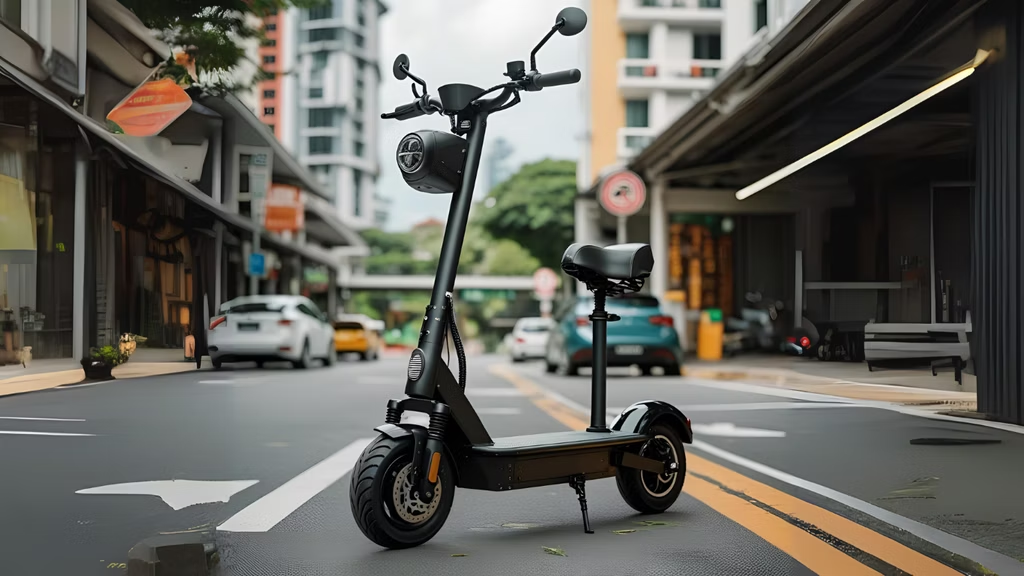
The Environmental Impact of Usage: Zero Tailpipe Emissions
Electric scooters represent a revolution in urban mobility, particularly in a compact city like Singapore. One of their most significant environmental benefits is the fact that they produce zero tailpipe emissions. Operating solely on battery power, electric scooters do not emit harmful pollutants such as carbon dioxide (CO₂), nitrogen oxides (NOx), or particulate matter during use. This stands in stark contrast to traditional petrol-powered vehicles, which contribute significantly to air pollution and greenhouse gas emissions, particularly in dense urban areas.
By switching to electric scooters, especially for short commutes, residents can effectively reduce their carbon footprint and play a pivotal role in fostering a cleaner, greener environment in Singapore. Additionally, the efficiency of electric scooters extends beyond their emissions profile; they also consume substantially less energy per kilometer compared to electric cars and public buses. Charging an electric scooter requires only about 0.3 to 0.5 kWh, resulting in less than 50 grams of CO₂ emitted per kilometer, even when considering electricity generation.
This efficient energy consumption, combined with their potential to replace vehicle trips under 10 km, underscores how electric scooters can be integral to reducing reliance on cars, decreasing traffic congestion, and promoting sustainable urban mobility. By embracing electric scooters, individuals not only support their health but also contribute positively to the environment and the collective effort to combat climate change.
Replacing Short Car Trips: A Practical Approach to Reducing Reliance on Cars
In urban environments like Singapore, a significant portion of car trips are relatively short, often less than 10 km. These journeys can easily be replaced with electric scooter rides, which not only provide a convenient and enjoyable mode of transport but also contribute to substantial environmental benefits. By substituting short car trips with electric scooter rides, we can effectively reduce fuel consumption, decrease road congestion, and lower overall carbon emissions.
The transition to electric scooters allows residents to actively engage in sustainable transportation practices, transforming their commuting habits for a greener future. The impact is compounded when considering that a single short car trip typically emits considerably more CO₂ than the equivalent journey made on an electric scooter, making this switch a practical approach to reducing reliance on cars. Moreover, electric scooters are designed for efficiency.
They consume significantly less energy per kilometer compared to electric cars or buses, which translates to lower emissions—even when accounting for grid electricity generation. The ease of charging, combined with their straightforward integration into existing public transport routes, enhances Singapore’s ambitious green mobility initiatives. As practitioners of sustainable habits, choosing electric scooters not only reflects individual responsible travel choices but also fosters greater community awareness and collective action towards reducing carbon footprints in everyday life.
Energy Efficiency: Lower Energy Consumption of Electric Scooters
When it comes to energy efficiency, electric scooters stand out remarkably when compared to traditional modes of transport, particularly fossil fuel-powered vehicles. These scooters utilize electricity stored in batteries, requiring significantly less energy per kilometer traveled—around 0.3 to 0.5 kWh. This translates into an astonishingly low carbon footprint of less than 50 grams of CO₂ per kilometer, even after accounting for emissions related to electricity generation.
In an urban setting like Singapore, where many car trips are less than 10 kilometers, substituting short journeys with an electric scooter can dramatically decrease overall emissions, making them an ideal option for eco-conscious commuters. Not only do electric scooters emit zero tailpipe pollutants, but they also contribute to lower traffic congestion and reduced reliance on cars, which further decreases fuel consumption and the associated emissions during peak hours. Additionally, the efficiency of electric scooters goes beyond just their energy use.
They play a vital role in supporting green urban mobility by integrating seamlessly with public transport systems. By facilitating first-mile and last-mile connectivity, they encourage commuters to opt for low-emission travel options and lessen the need for private vehicle usage. The entire lifecycle of an electric scooter, from manufacturing to end-of-life disposal, is also more sustainable than that of cars. Manufacturing requires fewer raw materials, creating less carbon during production and resulting in less e-waste. By choosing electric scooters, individuals not only make conscientious travel decisions but also embrace a lifestyle that supports sustainable practices, thus contributing to a greener future for Singapore.
Enhancing Urban Mobility: The Integration of E-Scooters with Public Transport
The integration of electric scooters with public transport systems represents a transformative advancement in urban mobility, particularly in densely populated areas like Singapore. By facilitating ‘first-mile/last-mile’ connections, escooters serve as an essential bridge, making it easier for commuters to reach transit points such as MRT and bus stations. This shift diminishes the reliance on private vehicles, particularly for short trips of under 10 km—an often overlooked segment of daily transportation.
By replacing these short car journeys with escooter trips, Singapore not only reduces fuel consumption and alleviates traffic congestion but also significantly cuts down carbon emissions per commuter, promoting a healthier urban environment. The seamless transition between e-scooters and public transit fosters a culture of low-emission multi-modal transport, encouraging more citizens to opt for greener commuting options.
Moreover, the eco-friendly nature of electric scooters underscores their role in fostering sustainable travel habits within urban settings. E-scooters produce zero tailpipe emissions, using electricity instead of fossil fuels, ensuring that the transit atmosphere remains clean for both riders and pedestrians. Additionally, the energy consumption of electric scooters is remarkably efficient, consuming far less energy per kilometer than their electric car counterparts.
Therefore, as Singapore continues to integrate these e-scooters into its transport ecosystem, the city paves the way for reduced carbon footprints and a stronger commitment to green urban mobility. Encouraging citizens to adopt e-scooters not only aligns with current environmental goals but also supports a shift towards conscious travel decisions that prioritize sustainability over convenience.
Sustainable Production: A Smaller Manufacturing Footprint for Electric Scooters
When it comes to sustainable production, electric scooters stand out for their significantly smaller manufacturing footprint compared to traditional vehicles like cars and motorbikes. The production of escooters requires fewer raw materials, which not only conserves natural resources but also results in lower carbon emissions during the manufacturing process. This is particularly important in an era where the environmental impacts of vehicle production have come under scrutiny.
The sourcing and processing of materials for electric scooters contribute less to global warming, making them a more eco-friendly choice for urban transportation. Moreover, as manufacturers improve their processes and utilize recyclable materials, the sustainability credentials of escooters continue to grow stronger, setting a precedent for greener manufacturing practices in the automotive industry overall. The long-term benefits of electric scooters do not stop at lower initial manufacturing impacts; these vehicles are built to last, thanks in part to their repairable components.
With the ability to maintain and fix escooters easily, we can further reduce waste and avoid the pitfalls of a throwaway culture—a prevalent issue with many cars and motorbikes that are often replaced rather than repaired. This cycle of repairability ensures that e-scooters can enjoy a longer lifespan, resulting in less e-waste over time. As Singapore moves towards becoming a greener city, embracing electric scooters will not only help in curtailing ongoing carbon emissions through daily use but also positively influence the entire manufacturing landscape, pushing for a more sustainable future.
A Green Revolution on Two Wheels: Embracing Electric Scooters for a Sustainable Singapore
In conclusion, electric scooters present a transformative opportunity for Singapore to embrace a greener future. By incorporating these eco-friendly modes of transportation into our daily routines, we can significantly impact reducing carbon emissions in the bustling city environment.
With the convenience they offer, coupled with government support and a growing network of charging stations, electric scooters are poised to be a sustainable alternative to traditional vehicles. Encouraging their use not only promotes individual health through active commuting but also fosters a community-oriented approach towards environmental stewardship.
As we move forward, it’s essential for both individuals and policymakers to collaborate in creating a culture that prioritizes sustainable transport solutions. Educational initiatives can further empower citizens to recognize the environmental benefits of electric scooters, while infrastructure developments can ensure adequate support for their growth. Embracing electric scooters is not merely a personal choice but a collective responsibility that can help Singapore become a leader in sustainable urban living. Together, we can make strides towards reducing our carbon footprint and creating a greener, more livable city for future generations.
Very informative blog! I always wondered if my daily MRT-bus routines can be replaced with a scooter and this post really answer a lot of my doubts—maybe I will try it for my short trips now.
This blog really highlights how e-scooters can help Singapore become a greener city. The emphasis on zero tailpipe emissions and lower energy use per km shows how much cleaner they are compared to cars and even buses for short trips. It’s eye-opening to see such practical stats, like less than 50g CO₂ per km—even when you count the electricity needed! Plus, their role in connecting us to MRT or bus routes means we can ditch the car for short commutes, help reduce traffic jams, and seriously cut down our carbon footprint.
What’s even more impressive is how the production of e-scooters is less damaging to the environment than traditional cars. With fewer raw materials and more repairable parts, there’s less waste and pollution from start to end. The whole system encourages healthier habits, saves energy, and makes our city less polluted. I think electric scooters are a clear step towards a more sustainable lifestyle here in Singapore.
What about safety, especially in rain or extreme sun? Our weather changes quickly, and I’m not sure if scooters are reliable in Singapore’s climate. How can we make sure it’s really practical for daily travel?
Scooter design is improving with better weatherproofing, and as more people use them, there should be more shelters and parking too. Users just have to be more alert during wet weather and avoid heavy rain, which is the same for bikes.
It still sounds risky for some people. I’d rather have public transport as my main, and maybe scooters only when it’s really dry.
Better infrastructure, like more covered walkways and charging points, could help. Right now, it feels like we’re still at the early stage.
Our hot afternoons could drain batteries faster or cause them to overheat too. Wish there were more real-world tests on performance in Singapore’s actual weather.
Battery makers are testing for tropical climates now, but it would be good to see more transparent reports. Maybe LTA can require more public results.
Hi all, please stay on topic and keep the discussion on sustainability and practical issues with e-scooters in our city. If you have questions about maintenance or policies, do check with the relevant agencies or official sites. Thanks for keeping it constructive!
But are e-scooters really that sustainable when we consider battery disposal? Old batteries are hard to recycle and can leak chemicals. If more people switch, we might end up with another waste problem, not to mention the cost and effort of proper recycling.
That’s a fair point, Priya. Still, the overall emissions from e-scooters are much lower than cars, even if battery disposal isn’t perfect yet. Battery tech and recycling programs are improving, and many brands now offer take-back schemes to help reduce waste.
True, recycling is getting better, but not everyone returns their batteries. I think more policy or incentives are needed to make sure e-scooter users dispose of them responsibly.
Maybe if there’s more public info, people will be more willing to recycle. It’s also about building good habits, same as with plastic and e-waste.
Also, if manufacturing grows, even a small amount of waste per scooter adds up. Are there enough local facilities for battery recycling in Singapore?
I read NEA is starting more e-waste collection points, so it should get easier soon. Still, everyone’s got to play their part to make sure batteries don’t end up in the trash.
Will the Singapore weather, with sudden rain and strong sun, affect how safe or long-lasting electric scooters are? I’m thinking about how practical it is for everyday use.
Hi Shalini, that’s a good question! Most quality electric scooters are designed with weather resistance in mind, but we recommend using waterproof covers and regular maintenance to prolong their lifespan. For safety, it’s best to avoid riding in heavy rain and consider sheltered parking to protect your scooter from the elements.
I like how you explained the smaller manufacturing footprint. But maybe need to talk more about how to handle the old scooter batteries? That part also important for full sustainability.