


The electric bike market is rapidly evolving, with new models and upgrades released every year to satisfy both casual riders and dedicated commuters. Among these contenders, the Jimove MC Pro series like Jimove MC Pro 2.0 and Jimove MC Pro 3.0 has garnered significant attention for its blend of performance, design, and value. As the much-anticipated Jimove MC Pro 3.0 hits the streets, many are left wondering how it stacks up against its predecessor, the popular MC Pro 2.0. For anyone considering an upgrade or a first-time purchase, understanding the differences between these two ebikes is crucial. In this comprehensive comparison, we’ll dive deep into the specs, feature sets, and notable upgrades that set the Jimove MC Pro 3.0 apart from the 2.0 model. Whether you prioritize battery life, motor power, safety enhancements, or ride comfort, our side-by-side analysis will equip you with the insights needed to make an informed decision. Let’s break down what’s new, what’s improved, and which Jimove MC Pro is best for your riding needs.
Meet the Contenders: Jimove MC Pro 2.0 and 3.0 Overview
When it comes to innovative and reliable electric bikes, Jimove has carved out a strong reputation within the personal mobility industry. Known for blending functionality, affordability, and modern design, Jimove has established the MC Pro series as a go-to choice for everyday commuters and recreational riders alike. The MC Pro series, particularly the Jimove MC Pro 2.0 and 3.0 models, has become a favorite among users who demand a robust ebike that doesn’t compromise on range or comfort while remaining accessible for urban environments. Each model stands out in the crowded ebike market thanks to their carefully balanced combination of specifications and features designed to suit both new and seasoned riders. As we dive into the comparison between the Jimove MC Pro 2.0 and MC Pro 3.0, it’s clear these models share a common DNA but are crafted to meet slightly different user needs. The MC Pro 2.0 offers a reliable 100km range with a 48V 19.2Ah battery and a practical non-folding frame, making it a solid, straightforward option at an attractive price point. On the other hand, the MC Pro 3.0 takes key upgrades a step further, providing an extended 120km range, a higher voltage battery, advanced bi-fold design for extra portability, and enhanced ride comfort with pneumatic adjustable suspension. Both bikes maintain the same motor power, weight, and legal certifications, but the subtle differences in features and convenience set the stage for an in-depth comparison, helping prospective riders determine which Jimove MC Pro is the perfect match for their lifestyle.
Specs Side by Side: Key Differences in Numbers
When comparing the Jimove MC Pro 2.0 and 3.0 ebikes, a close look at the specifications highlights both subtle tweaks and major upgrades. Both models feature a 250W motor, 16″ x 3″ front and rear tires, and support a maximum load of 120 kg, ensuring performance continuity for different rider needs. While the bikes share nearly identical dimensions, weight (20 kg), and are LTA approved under the PAB classification with a 6-month warranty, several distinctions stand out—most notably in range, battery specs, folding mechanism, suspension, and price. The MC Pro 2.0 offers a 100 km range, powered by a 48V 19.2Ah battery and requires 6-7 hours to charge, while the MC Pro 3.0 steps up to a 120 km range with a more robust 49V 19.2Ah battery and a faster 5-6 hours charging cycle. Beyond power and endurance, practical upgrades set the MC Pro 3.0 apart. The latest version introduces a bi-fold frame with a double-welded hinge for enhanced portability—an improvement over the non-folding frame of the MC Pro 2.0. The 3.0 also offers improved ride comfort with pneumatic adjustable suspension, a feature entirely absent from its predecessor. Color options are slightly updated, with the MC Pro 3.0 available in Grey and Emerald, while the 2.0 offers Green and Grey. With these upgrades come an increase in value, as reflected in the price difference: $1799 for the MC Pro 3.0 compared to $1699 for the MC Pro 2.0. These specs, laid out side by side, make it easier for prospective buyers to evaluate which model best suits their commuting or recreational needs.
Features & Upgrades: What’s New in the 3.0?
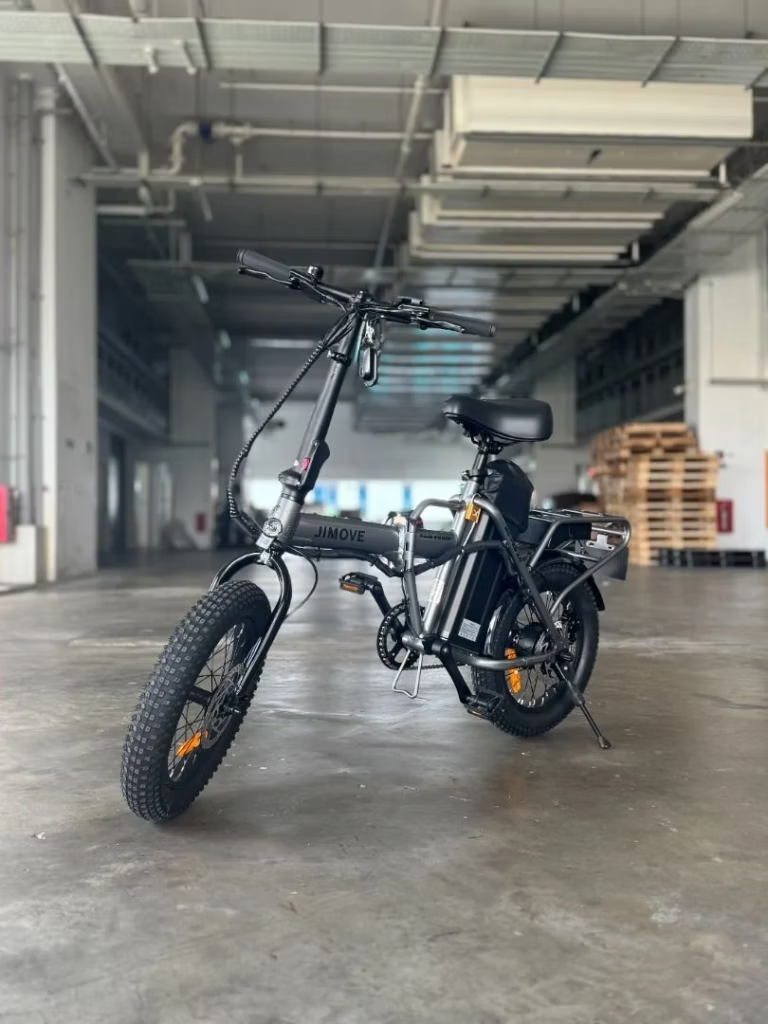
The Jimove MC Pro 3.0 introduces several significant upgrades over its predecessor, the MC Pro 2.0, aimed at enhancing comfort, convenience, and everyday usability for riders. One of the standout new features is the advanced folding mechanism—where the MC Pro 2.0 lacked folding capability, the 3.0 comes equipped with a bi-fold system and a double-welded hinge, allowing the bike to be compactly stored or transported with ease. This is especially useful for urban commuters or anyone with limited storage space. Another major leap is in suspension; while the 2.0 didn’t offer any such system, the MC Pro 3.0 includes a pneumatic adjustable suspension that delivers a far smoother and more stable ride, effectively absorbing bumps and road vibrations for enhanced comfort. Battery and charging efficiency have also been thoughtfully improved in the MC Pro 3.0. The upgraded battery is now 49V 19.2Ah, compared to the 48V unit on the 2.0, delivering a noticeable increase in riding range—from 100km in the 2.0 up to 120km in the 3.0. Charging times have also been reduced, which benefits users who need to get back on the road quickly. These enhancements, plus subtle tweaks like new color options and the same practical dimensions, make the MC Pro 3.0 a compelling choice for those wanting both performance and convenience. In short, these qualitative upgrades ensure not only a more enjoyable ride but also a practical experience tailored to the needs of today’s ebike users.
Ride Comfort, Portability, and Everyday Usability
When it comes to ride comfort, portability, and everyday usability, the Jimove MC Pro 2.0 and Jimove MC Pro 3.0 offer markedly different experiences that cater to diverse user needs. The biggest leap forward with the MC Pro 3.0 is its folding capability, featuring a bi-fold frame with a double welded hinge that makes it far easier to store in tight apartment spaces or transport in a car trunk. In contrast, the MC Pro 2.0 lacks any folding mechanism, which may limit its suitability for commuters with space constraints. Both models weigh in at a manageable 20 kg and share the same compact, folded dimensions (75cm x 65cm x 43cm), but the folding design of the 3.0 grants it a significant edge for city dwellers and those needing portability on public transport or at the office. Ride comfort also sees a substantial improvement in the MC Pro 3.0 thanks to its pneumatic adjustable suspension system, which absorbs bumps and ensures a smoother journey on uneven roads. The 2.0 model, on the other hand, is built with a rigid frame and lacks any suspension, making it less forgiving on rough terrain or longer rides. Both ebikes retain the same max load, tyre size, and general geometry, so everyday maneuverability and capacity remain consistent. However, the added suspension and enhanced folding feature of the MC Pro 3.0 combine to deliver a noticeably more comfortable and practical solution for daily commutes and urban adventures, especially for those prioritizing portability and shock absorption.
Value for Money: Price vs. Performance Analysis
When comparing the Jimove MC Pro 2.0 and the MC Pro 3.0, price is a significant factor influencing your decision. The MC Pro 2.0 is available for $1699 and delivers a solid 100km of range, a 250W motor, and essential certification for urban commuting, making it a strong entry point for budget-conscious riders. However, by spending an additional $100 for the MC Pro 3.0 at $1799, buyers receive several tangible upgrades. The 3.0 offers an extended 120km range, faster charging (5-6 hours vs. 6-7 hours), improved battery specs (49V vs. 48V), a bi-fold frame with a double welded hinge, and the notable addition of a pneumatic adjustable suspension. Such features can deliver a smoother ride, greater endurance, and improved overall comfort—attributes worth considering for daily commuters or long-distance riders. Both models share the same weight, load capacity, and certification standards, including a six-month warranty and LTA approval, ensuring they are road-legal and supported. Considering these similarities, the Jimove MC Pro 3.0’s superior ride quality, flexibility from folding, and longer range present excellent value for just a modest incremental investment over the 2.0. For riders prioritizing enhanced comfort and future-proofing their purchase against evolving commuting needs, the MC Pro 3.0 emerges as the better value proposition, justifying its slightly higher price through meaningful upgrades that improve both performance and convenience.
Choosing Your Jimove: Final Thoughts on the MC Pro 2.0 vs 3.0
In summary, the Jimove MC Pro 2.0 and MC Pro 3.0 ebikes both stand out as impressive options for urban commuters and recreational riders, but the differences between them can significantly impact your riding experience. By closely examining their specs, features, and notable upgrades, it’s clear that the MC Pro 3.0 advances the Jimove lineup with improvements like a more powerful motor, enhanced battery efficiency, updated suspension, and a range of user-centric upgrades. However, for riders who prioritize affordability while still requiring reliable performance, the MC Pro 2.0 remains a solid contender, offering many core features without the extra cost associated with the latest model. Ultimately, your choice between the MC Pro 2.0 and 3.0 will come down to your riding priorities, budget, and the specific enhancements that matter most to you. Both bikes offer strong value and a comfortable, stylish ride, making them top contenders in the ebike market. Whether you opt for the tried-and-true MC Pro 2.0 or invest in the future-ready MC Pro 3.0, you can rest assured you’re getting a well-crafted ebike that delivers on both performance and innovation.
Honestly, I’m really impressed with all the thoughtful upgrades in the Jimove MC Pro 3.0. The new folding bi-fold frame is super practical for those living in condos or HDBs, especially if you need to bring your bike up the lift or squeeze it into a tight storeroom. Plus, the adjustable pneumatic suspension should give a much smoother ride, which is something commuters will appreciate on Singapore’s uneven roads.
The longer battery range and faster charging time also add a lot of convenience. For just $100 more than the 2.0, the 3.0 gives better comfort, portability, and ride quality – so to me, it’s really worth considering if you want longevity and flexibility in your ebike. Jimove seems to have listened to user feedback and levelled up all the right features.
Honestly, does the folding frame and suspension really matter that much for everyday users? I mean, the MC Pro 2.0 is already sturdy, and most commuters use their bikes on flat paths lah. Not everyone actually brings their bike onto MRT or needs that fancy bi-fold design.
Also, the 20 km extra range might not be noticeable for people who only ride to work and back. Is the higher price really justifiable just for some comfort features?
Good point, but I think the upgrades do add value! The folding feature isn’t only for public transport users – it’s also good for storing in tight apartments or car boot last minute. Suspension may not matter on smooth roads but after you hit a few potholes or speed bumps in rain, the comfort difference is clear.
It’s about having the option and future-proofing a bit, especially with urban infrastructure always changing.
I see your point on future-proofing, but for most people, cost is the main decision factor these days. I just feel new features should be ‘need-to-have’ instead of ‘nice-to-have’. If the 2.0 is already reliable and gets the job done, why fix what isn’t broken?
Rachel, do you think the extra maintenance for suspension parts would worry people though? Some riders want hassle-free, just-the-basics. Not everyone wants more moving parts.
I get what you mean, Vinod. But portability is quite important for people who shift between maybe cycling and car rides, or don’t want bikes taking up living space. Comfort is worth paying a bit more for too if you cycle daily and feel every bump.
True lah, older riders or those with back pain will appreciate a softer ride from suspension. But for me, I’d just go for which one fits my needs and budget best.
Just to clarify, did they actually improve the motor performance at all? Both models still 250W right? Sometimes all these small upgrades sound good but in real life not very significant for daily ride. Plus, how strong is the bi-fold? I always worry folding bikes will wear out faster.
You’re right, Amanda, both keep the same 250W motor and basic performance, but the endurance and charging speed improvements are practical. As for the folding frame, the double-welded hinge looks robust and should hold up for daily use, at least based on most reviews so far.
Hope Jimove tested that hinge properly. If it bends or creaks after a few months, extra portability doesn’t mean much.
For most folding bikes, as long as you maintain the hinge and avoid overloading, should be ok. It’s good they still offer a six-month warranty for peace of mind.
Hi all, friendly reminder to keep discussion on topic – let’s focus on real-life experiences and questions about the Jimove MC Pro 2.0 vs 3.0 features, upgrades, and value. No off-topic debates please. Thanks!
I ride daily on Singapore roads, sometimes got bumps and rain. Is the MC Pro 3.0 suspension really helpful, or can the 2.0 handle our road conditions just as well?
Great question, Wei Ming! The MC Pro 3.0’s pneumatic adjustable suspension really makes a difference on bumpy or uneven roads, giving a much smoother and more comfortable ride, especially in wet weather. While the 2.0 is reliable on most urban surfaces, if you often face rough patches or want extra comfort, the 3.0’s suspension will be a noticeable upgrade.
Wah, the MC Pro 3.0 really got so many improvements over the 2.0, especially the folding frame and better suspension. I think for just $100 more, might as well go for the newer version if need more comfort and portability.
Thanks for breaking down all the specs, very clear! For people who don’t need folding bike or ride long distance, the 2.0 still looks like a good buy, but 3.0 features make it quite tempting lah.