


The popularity of LTA Approve Ebike 2026 is on the rise in Singapore, thanks to their convenience and eco-friendliness. However, navigating the ever-evolving regulations around legal eBikes can be challenging—especially with the Land Transport Authority (LTA) regularly updating their standards. As Singapore approaches 2026, understanding the requirements for LTA-approved eBikes is more important than ever for anyone hoping to ride safely and legally. This guide is designed to help you make sense of the latest legal developments, including the Orange Seal certification, EN15194:2017 compliance, and the crucial power limits imposed on eBikes. Whether you’re a daily commuter, an eBike retailer, or simply curious about the regulations, staying up-to-date with the current framework is essential. We’ll break down what makes an eBike LTA-approved, how to spot the all-important Orange Seal, and what the EN15194:2017 standard means for your ride. By the end of this article, you’ll be equipped with the knowledge to select a compliant eBike, avoid penalties, and confidently navigate Singapore’s roads. Let’s get started on your journey to safe and legal eBiking in 2026 and beyond.
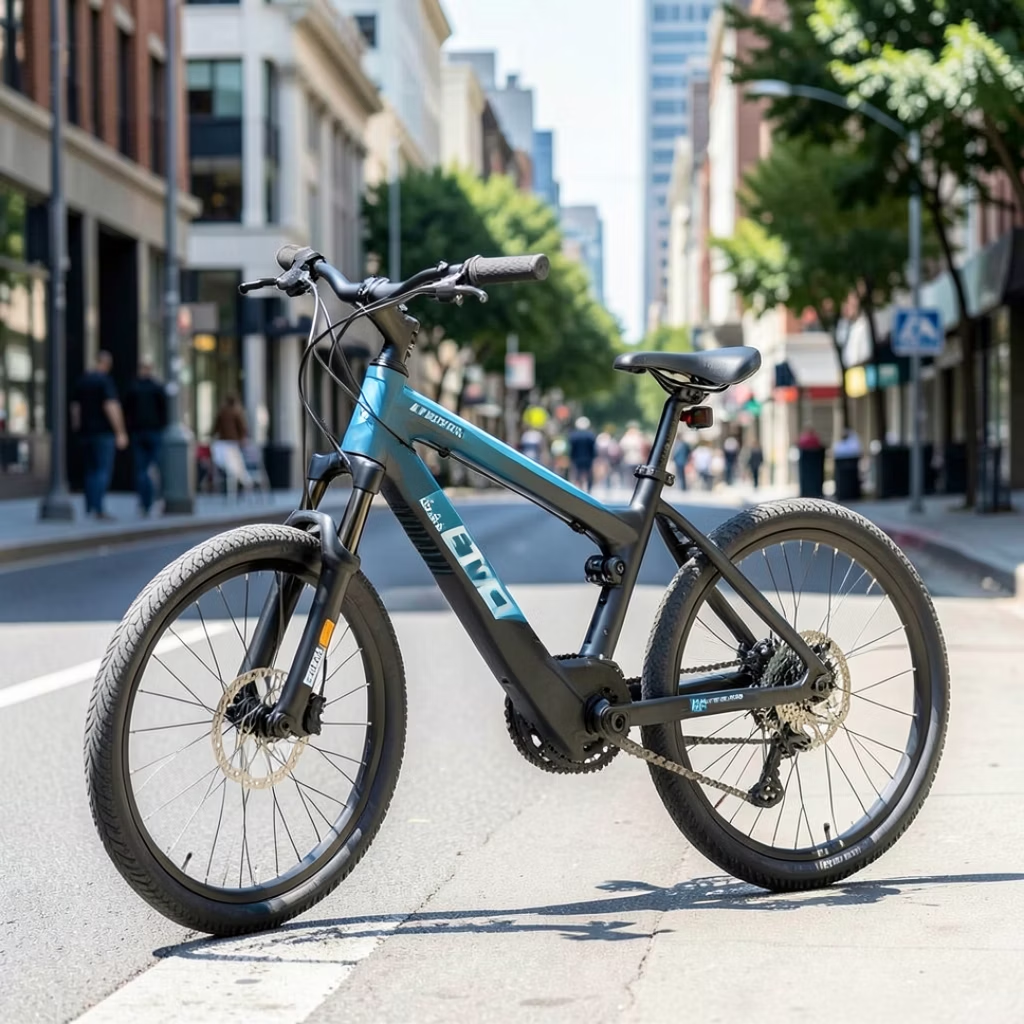
Understanding Singapore’s eBike Laws: Why Compliance Matters
Singapore has established stringent eBike regulations through its Land Transport Authority (LTA) to ensure that all power-assisted bicycles (PABs) used on public roads and cycling paths remain safe and uniformly compliant. These rules set the groundwork for which eBikes are legally permitted in Singapore—making it essential for all buyers and riders to understand and adhere to them. Compliance is determined by several key requirements, including the mandatory “Orange Seal” that indicates official LTA approval, alignment with the EN15194:2017 safety standard, a strict 250W maximum power limit, and a weight cap of 20kg. These measures are designed not just to regulate traffic, but to protect riders, pedestrians, and all road users by minimizing risks associated with non-compliant vehicles. Choosing an LTA-approved eBike is not simply about avoiding fines or confiscation; it is fundamentally linked to personal and public safety. Non-compliance can result in serious legal consequences including hefty penalties and criminal charges, but the risks extend beyond the legalities. Illegal or unapproved eBikes may pose heightened dangers due to their potentially higher speeds, greater weight, or lack of safety certification, increasing the likelihood of accidents and injuries. For anyone considering an eBike purchase in Singapore, prioritizing LTA approval and understanding the regulations—including the significance of the Orange Seal—ensures peace of mind, lawful riding, and the well-being of everyone on Singapore’s roads and paths.
The Orange Seal Explained: Your Passport to Legal eBiking
The Orange Seal is more than just a sticker—it’s your instant assurance that an eBike meets all of Singapore’s strict Land Transport Authority (LTA) regulations. When you see the Orange Seal affixed to an eBike, you know it hasn’t just passed a superficial check. Instead, it means the bike has undergone rigorous evaluation, satisfying criteria like the EN15194:2017 safety standard, a maximum power output of 250W, and a total unladen weight not exceeding 20kg. The seal itself is highly visible and typically placed in an easy-to-spot location on the eBike frame, empowering both buyers and enforcement officers to quickly verify an eBike’s legality without digging through paperwork. For Singaporean riders, especially those eyeing a new LTA approved eBike in 2026 and beyond, spotting the Orange Seal is the first—and essential—step towards hassle-free, legal riding. Behind the scenes, obtaining this sought-after Orange Seal is no walk in the park for manufacturers and importers. Each eBike model destined for the Singapore market must be submitted to the LTA or accredited bodies for thorough inspection and certification. This multifaceted process ensures every component—battery, motor, frame, and electronics—complies with local standards and safety regulations. Only after these boxes are checked and approvals granted is the Orange Seal issued and applied. This system not only protects consumers from accidentally purchasing illegal or unsafe eBikes but also ensures that regular inspections by traffic authorities are smooth and transparent. So whether you’re buying, selling, or riding, understanding and looking out for the Orange Seal is your passport to enjoying Singapore’s vibrant eBiking scene without worry.
EN15194:2017 Standard Demystified: What Makes an eBike Road-Legal
The EN15194:2017 standard is central to determining whether an eBike is considered road-legal in Singapore, as set by the Land Transport Authority (LTA). This European standard outlines strict technical requirements for electrically assisted pedal cycles, covering everything from power limits to electrical safety, mechanical integrity, and electromagnetic compatibility. Notably, EN15194:2017 mandates that eBikes must not exceed a continuous rated power output of 250W, and their motors should only assist while pedaling—meaning there are no throttle-only functions allowed for legal use. Compliance with this standard is rigorously tested, including checks on speed cap, braking efficiency, and electrical system robustness. Having the EN15194:2017 certification makes it easier for both buyers and sellers to ensure the eBike is eligible for LTA approval in 2026 and beyond. To help riders and buyers confidently identify legal eBikes, Singapore requires models to display the distinctive “Orange Seal,” which signifies full conformity to both LTA regulations and the EN15194:2017 benchmark. The Orange Seal acts as a quick visual guarantee that an eBike meets strict power, weight (no more than 20kg), and performance requirements—removing much of the guesswork for those new to the market. When shopping for an LTA approved eBike in 2026, always look for this seal and request documentation that confirms EN15194:2017 certification. By understanding these criteria and recognizing the orange seal, buyers can avoid costly mistakes, ensure road legality, and enjoy peace of mind while cycling in Singapore.
Getting the Power Right: Understanding the 250W Limit and 20kg Weight Cap
One of the most essential considerations when selecting a LTA approved eBike for 2026 is understanding and adhering to the 250W power limit and the 20kg weight cap imposed by the Land Transport Authority (LTA) in Singapore. The 250W motor power restriction ensures that all legal eBikes remain within safe operational thresholds, reducing the risk of excessive speeds that could endanger riders and pedestrians alike. This particular power rating strikes a balance between providing adequate assistance for daily commutes and maintaining control on public paths. Complying with this limit is not just about safety; it is a strict legal requirement. Any eBike exceeding this output automatically loses its LTA-approved status and cannot be registered for use, regardless of other features or certifications it may carry. Equally important is the 20kg maximum unladen weight, which aims to support the safe maneuverability of eBikes on Singapore’s shared paths and infrastructure. Lighter eBikes are easier to handle, especially for new riders, and make lifting or parking your bicycle less strenuous. However, these restrictions also influence the market, resulting in eBikes that are often more streamlined, with carefully selected materials and compact battery systems. When shopping for a compliant eBike, look for the distinctive “Orange Seal” and check for reference to the EN15194:2017 standard—these are your assurances that your chosen model meets Singapore’s exacting legal standards. By understanding the reasons behind these technical caps, buyers can make informed decisions, ensuring both legal compliance and an enjoyable riding experience.
How to Buy an LTA-Approved eBike in 2026: Tips and Common Pitfalls
Purchasing an LTA-approved eBike in 2026 requires careful attention to strict regulations set by Singapore’s Land Transport Authority. Before you commit, ensure the bike has the official orange LTA seal, which signifies compliance with the EN15194:2017 safety standard, a rated power not exceeding 250W, and a maximum unladen weight of 20kg. Create a buyer’s checklist that covers verifying the presence and authenticity of the orange seal, inspecting the eBike’s product specifications, and cross-checking the bike’s model on the LTA’s registry. Reliable retailers should be transparent about these details and provide supporting documentation if requested. Stay alert for common pitfalls in the market, such as counterfeit orange seals or misleading claims about specifications. Unscrupulous sellers may attempt to pass off non-compliant eBikes as legal, especially in online marketplaces. Always use the official LTA portal to check each eBike’s registration status and don’t hesitate to request a demonstration of the bike’s compliance features. Resources like the LTA’s website, authorized dealer directories, and consumer forums are invaluable tools to confirm your purchase is truly legal. Taking these precautions protects you from legal trouble and ensures your eBike purchase is safe and reliable for Singapore’s roads.
Future-Proofing Your Ride: Anticipating Updates to LTA Regulations
Keeping your eBike compliant isn’t just about following current rules—it’s about anticipating how regulations could shift in the future. As Singapore’s Land Transport Authority (LTA) seeks to balance innovation, safety, and sustainability, riders and buyers should expect regular updates to standards like the “Orange Seal,” the EN15194:2017 certification, the 250W power limit, and the 20kg weight restriction. For example, recent trends in international eBike legislation suggest that future requirements might become more stringent, possibly introducing new safety features or further refining the legal definitions of eBikes. Proposed policy updates may address emerging technologies such as smart connectivity, improved battery protection, and even stricter eco-friendly benchmarks, reinforcing Singapore’s position as a leader in urban mobility regulation. To future-proof your ride, proactive information gathering is essential. Regularly check the LTA website and subscribe to official newsletters for notifications about impending changes. Engage with reputable eBike retailers, as they often receive early manufacturer insights regarding compliance. Joining community forums or following related news can also help you anticipate trends and adapt accordingly, ensuring your vehicle remains legal even as standards evolve. Whether you’re eyeing an LTA approved ebike for 2026 or updating your current model, staying informed protects your investment and guarantees a hassle-free riding experience on Singapore’s streets.
Ride Smart and Legal: The Path to Hassle-Free eBiking in Singapore
In summary, understanding the regulations surrounding LTA approved eBikes is crucial for every rider in Singapore. By familiarizing yourself with requirements such as the orange seal, adherence to the EN15194:2017 standard, and respecting the prescribed power limits, you ensure not only a legal and seamless riding experience but also contribute to road safety and public confidence in personal mobility devices. As Singapore’s eBike regulations continue to evolve, staying informed about updates and the latest models available in 2026 will keep you ahead and compliant, allowing you to enjoy all the benefits of convenient and eco-friendly urban commuting. As you consider purchasing or upgrading your eBike, always double-check its compliance with LTA regulations and look out for key features like the orange seal and proper labeling. By taking these steps and choosing reputable retailers, you minimize the risk of legal complications and ensure a hassle-free experience on Singapore’s roads and park connectors. Ultimately, an informed approach will help you make the most of your eBike investment while supporting the nation’s vision for safe, sustainable, and well-regulated personal mobility.
Really appreciate how this guide simplifies the new LTA rules! It’s so helpful for commuters and new buyers who just want to follow the law without digging through confusing government documents. The breakdown on the Orange Seal, EN15194:2017, and power limits makes everything clear—these are details that can save people from getting hefty fines or riding an unsafe eBike.
Highlighting why compliance matters is also good—sometimes people just look at speed and price, but it’s safety and legality that truly count. With the 2026 changes coming, this guide definitely helps anyone in Singapore be confident about choosing a proper eBike without the stress.
It’s good to know about these, but don’t you think these strict rules and standards make eBikes more expensive and harder for normal people to buy? With the Orange Seal and all these certifications, some good affordable models are left out, and not everyone can afford the so-called ‘compliant’ brands. Doesn’t this push people to either give up or look for dodgy sellers instead?
I get your point, Roshan, but if we loosen the rules, unsafe and fake eBikes could flood the market, which would be even worse. The Orange Seal system at least keeps things transparent and protects buyers from hidden risks. It’s true that prices might go up, but long-term, it saves on accident costs or penalties, and we get safer roads for everyone.
Safety is important, but maybe LTA should help by giving subsidies for compliant eBikes. Otherwise, only wealthy people benefit from these safer standards.
True, but if we allow more unsafe bikes, confirm got more accidents. End up, everyone lose.
Rather pay a bit more for peace of mind and don’t worry about police spot check or accident. Safety best la.
But what about people who already own eBikes from years ago? Are they expected to buy new bikes just to meet changing rules, or can old models be upgraded to meet EN15194:2017 and Orange Seal standards? Feels like these constant updates might waste money and resources.
If cannot upgrade, I guess only can try to sell the old one as parts. No choice if want to ride legally lor.
That’s a legit concern! LTA usually gives transitional period and lists which bikes can be retrofitted or re-certified. It might feel 麻烦 (troublesome), but it’s so we can all ride safely and confidently. Better to do the upgrading than risk confiscation or an accident with an out-of-date model.
I wish there was a more flexible system for old models. Sometimes upgrading is not possible, and it’s quite a waste.
Yeah, but like cars, rules need to change for safety. Maybe they should have ‘grandfather’ clause for really old models?
Hi everyone, just a gentle reminder to keep the discussion related to LTA-approved eBike rules and safe riding practices. Let’s focus on helping each other navigate these regulations and share experiences about compliance—not on general grievances with transport policies. Stay helpful and civil, thanks!
Wah, the Orange Seal really sound like must-have for peace of mind. Glad the blog break it down simply, last time I always blur about these new rules.
If I buy an LTA-approved eBike from overseas and bring it to Singapore, can I get the Orange Seal here, or must the seal be on it before I import?
Great question, Wei Ling! The Orange Seal must be issued in Singapore after the eBike goes through local inspection and certification—just having approval overseas isn’t enough. We always recommend importing only models that can pass LTA checks here, or buying directly from reputable local retailers who guarantee Orange Seal compliance.
I agree that LTA rules sibei important, especially for our own safety. The tip about checking for fake seals is super useful, I almost kena scam before when shopping online.