


The implementation of the LTA rules 2025 is approaching, it is essential for owners of PMA (Personal Mobility Aids), PMD (Personal Mobility Devices), and PAB (Personal Mobility Bicycles) to stay informed and prepared. The new regulations aim to enhance the safety and accessibility of our shared pathways while ensuring that various modes of transport coexist harmoniously. Navigating these changes can be daunting, but understanding the key aspects of the rules is crucial for a smooth transition and compliance when these regulations take effect. In this essential guide, we will delve into the significant changes introduced by the 2025 LTA regulations, offering valuable insights for PMA, PMD, and PAB owners alike. From understanding new safety standards and usage guidelines to exploring how these rules impact daily commuting, this blog post is designed to equip you with the knowledge necessary to adapt to the evolving landscape of personal mobility. Join us as we break down the latest regulations and provide practical tips to ensure that your mobility experience remains seamless and enjoyable in the face of change.
Overview of the Updated 2025 LTA Regulations
As the landscape of personal mobility continues to evolve, the updated 2025 Land Transport Authority (LTA) regulations introduce key guidelines designed to enhance safety and compliance for Personal Mobility Aids (PMA), Personal Mobility Devices (PMD), and Power-Assisted Bicycles (PAB). Owners of these devices must familiarize themselves with fundamental rules including speed limits, registration processes, and adherence to UL2272 safety standards. These regulations are critical for ensuring that all devices on the road meet the required safety thresholds, thus supporting the overall aim of reducing accidents and promoting responsible riding practices in urban environments. With specific prohibitions on where these devices can be operated, the new regulations greatly impact how and where owners can travel, making it vital for users to understand these constraints. Equally important are the implications of non-compliance; the updated regulations come with enhanced penalties and enforcement measures that will affect those who fail to abide by them. Understanding these consequences is crucial for all PMA, PMD, and PAB owners as they navigate their mobility options in the coming years. Moreover, organizations like Eko Life play a pivotal role in ensuring compliance by providing support and services that help users align with the latest regulations. By staying informed and proactive, owners can enjoy the benefits of personal mobility while adhering to the safety standards established by the LTA.
Key Rules Every PMA, PMD, and PAB Owner Must Know
Understanding the key rules of the 2025 LTA regulations is crucial for every Personal Mobility Aid (PMA), Personal Mobility Device (PMD), and Powered Assisted Bicycle (PAB) owner. The LTA has established specific speed limits that vary based on device types, ensuring user safety while navigating through public spaces. For instance, PMDs are typically restricted to a maximum speed of 25 km/h on paths meant for pedestrians and cyclists. In addition to speed regulations, registration is mandatory for PMAs and PABs to comply with the legal framework. Failing to register your device can lead to hefty fines and restrictions on your mobility, making it essential to stay informed about the latest requirements. Furthermore, compliance with the UL2272 safety standards is non-negotiable, as it certifies that devices meet necessary electrical and fire safety criteria, helping prevent accidents related to battery fires or electrical failures. Moreover, riders must be fully aware of where they can legally operate their PMAs, PMDs, and PABs. Riding these devices on footpaths is strictly prohibited, and designated cycling paths must be adhered to. Ignoring these guidelines can lead to severe penalties and enforcement action by authorities, highlighting the importance of staying compliant. At Eko Life, we prioritize the safety and satisfaction of community members by ensuring all our devices are compliant with LTA regulations, providing owners with peace of mind and a commitment to responsible riding. Familiarizing yourself with these fundamental rules is not just a regulation but a vital part of responsible ownership.
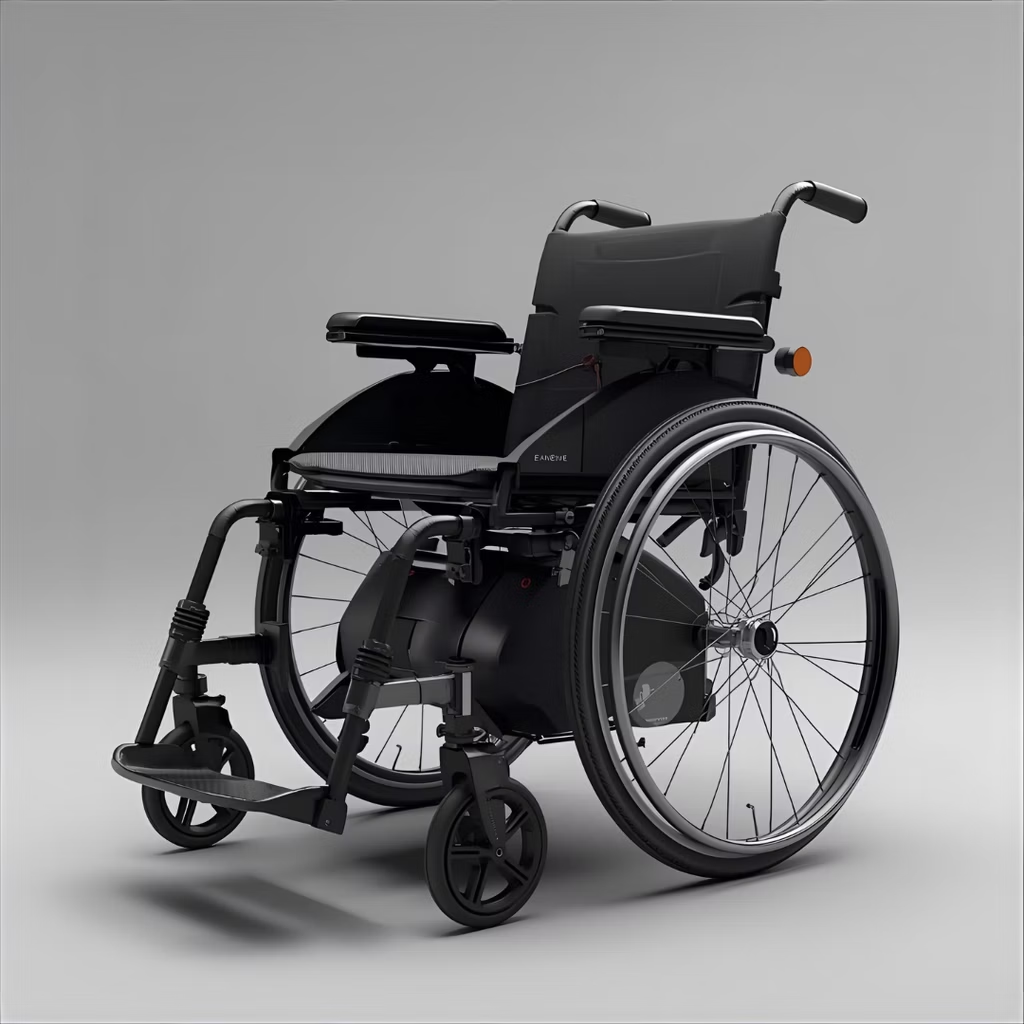
Where Can You Ride? Understanding Designated Areas
Navigating the bustling roads and pathways of Singapore, it’s crucial for PMA (Power-assisted Mobility Aids), PMD (Personal Mobility Devices), and PAB (Power-assisted Bicycles) owners to understand the designated areas where these vehicles can legally operate. According to the updated 2025 LTA rules, riding in specific locations, such as park connectors, designated paths, and certain pedestrian areas, is permitted, while riding on footpaths and busy roads may be restricted. Following these regulations is essential not only for personal safety but also for the safety of pedestrians and other road users. Violating these rules can lead to penalties, which reinforces the need to stay informed and compliant with the latest guidelines. Moreover, the significance of adhering to these designated riding locations cannot be overstated. Riding in approved spaces helps minimize accidents and promotes a smoother coexistence between traditional pedestrians and mobility device users. The regulations reinforce the importance of public safety and the responsible use of PMAs, PMDs, and PABs. Familiarizing yourself with these designated areas ensures you can enjoy the freedom of mobility while respecting the shared environment, ultimately contributing to a safer community for all. Keeping updated on LTA regulations will allow you to navigate confidently and legally within Singapore’s dynamic urban landscape.
Penalties for Non-Compliance: What You Need to Know
Understanding the penalties associated with non-compliance to the 2025 LTA rules is critical for owners of Personal Mobility Aids (PMA), Personal Mobility Devices (PMD), and Powered Assistive Bicycles (PAB). The new regulations impose strict adherence to safety standards, such as UL2272, and mandates compliance with speed limits and designated riding areas. Failure to comply with these rules can result in significant penalties, including fines, confiscation of devices, and potential legal repercussions. The LTA has ramped up enforcement measures, meaning that the likelihood of facing consequences for infractions is higher than ever. Owners must stay informed to avoid risking their devices and safety on the roads. In addition to financial penalties, non-compliance might lead to more serious implications for users, such as increased liability in case of accidents or injuries. This not only affects the device owners but can also impact the reputation of PMA, PMD, and PAB usage as a whole. Therefore, it’s vital that all owners familiarize themselves with the latest 2025 guidelines to ensure adherence and promote safe riding practices. Organizations like Eko Life play a crucial role by providing resources and guidance to help individuals remain compliant with the LTA regulations, thus enhancing user safety and reducing the risk of penalties.
How Eko Life Supports Compliance with LTA Standards
Eko Life plays a pivotal role in assisting PMA, PMD, and PAB owners navigate the complexities of the 2025 LTA rules, ensuring that their devices meet established compliance standards. By providing a comprehensive suite of resources, including user-friendly guides on speed limits, registration processes, and UL2272 standards, Eko Life empowers owners with the knowledge needed to operate within the legal framework safely. Their platform features real-time updates on compliance requirements, ensuring users remain informed about any changes in regulations or enforcement measures integral to safe riding practices. This proactive approach allows owners to seamlessly integrate their operations with the latest LTA guidelines, thereby reducing the risk of penalties associated with non-compliance. In addition to informational resources, Eko Life extends its support through innovative safety features embedded within their devices. Enhanced monitoring systems ensure adherence to designated riding zones and speed limits, further promoting safe usage. Eko Life also offers a robust community support feature, enabling users to share experiences and best practices while receiving expert advice on compliance. Ultimately, by facilitating easy access to essential information and tools, Eko Life reinforces its commitment to making compliance with the 2025 LTA rules manageable and efficient for all users, fostering a safer riding environment for everyone.
Navigating the Future: Staying Compliant with the LTA Rules for PMA, PMD, and PAB Owners
In conclusion, navigating the upcoming 2025 LTA rules can feel daunting for PMA, PMD, and PAB owners. However, by staying informed, understanding the changes, and proactively implementing necessary adaptations, you can ensure compliance while maintaining the optimal use of your vehicles. Remember, these regulations are designed not just for legal adherence but also for enhancing the safety and sustainability of our roads. Staying ahead of the curve will allow you to adjust effectively, minimizing disruptions to your daily operations or leisure activities with your vehicles. As we move closer to 2025, it’s crucial to foster a community of informed vehicle owners who support one another through this transition. Engaging with local forums, attending workshops, and utilizing online resources can provide valuable insights and guidance. Embrace the changes that the new LTA rules bring, as they aim to benefit everyone and contribute to a more efficient transportation ecosystem. By preparing now, you’re investing in the future of safe and responsible mobility in Singapore.
The new 2025 LTA rules are honestly a great step forward for everyone using PMAs, PMDs, and PABs in Singapore. It’s clear that the safety focus, from speed limits to adhering to the UL2272 standard, will help reduce the number of accidents we’ve seen in the past few years. Having clear information about where we can ride and being required to register devices makes me feel that everyone will be more accountable, which is reassuring for both riders and pedestrians.
I also like how companies like Eko Life are actively helping the community stay updated—resources and real-time alerts truly make it easier to comply. If everyone follows these guidelines, our shared spaces will be much safer and friendlier, plus being proactive now saves us from hefty penalties later. Guides like this are exactly what PMA and PMD users need to get ready for the coming change!
But don’t you think all these new rules make it too troublesome for a lot of users, especially the older ones or those not so tech-savvy? For example, registering and always checking for updates can be quite confusing, and some riders just want to get from point A to B. Is there really a good balance between safety and convenience here?
That’s a good point, Ravi. It’s true that there’s a learning curve, especially for seniors, but that’s why resources and workshops from Eko Life or community centres are so important. If more help is made easily available, it can make the transition smoother and ensure everyone, regardless of age or tech skills, can stay compliant and safe.
Workshops sound useful, but will they really reach everyone? I know some of my neighbours don’t even use smartphones or go online, so maybe there needs to be more face-to-face outreach or even some kind of neighbourhood ambassador system.
Honestly, even with help, some might still find it too complicated and just give up on using PMDs. I hope LTA is tracking these concerns and can make things more straightforward in the future.
I understand the concerns about convenience, but we can’t deny the rise in accidents before stricter rules came in. Safety needs to come first—if a little extra effort means less injuries or property damage, then it’s worth it in the long run.
Agree, injuries from reckless riding can be very serious. Maybe more visible signs and reminders along the paths would also help those not so tech-savvy to remember the rules.
Safety should always be the main priority, but I hope there’s also room for user feedback, so the rules stay fair and realistic for daily use.
It’s nice to see optimism, but I think these rules will scare some new users away. All the new requirements and heavier penalties make it feel like PMD ownership is only for those who have time and money to keep up. Isn’t this just making it harder for people who rely on these devices for work or mobility?
I get your concern, Nicholas. But from what I’ve observed, the rules don’t aim to exclude people—they’re just raising the bar for responsibility. With incentives or subsidies for compliance (like help with registration fees), vulnerable users can still benefit without being pushed out.
Subsidies will help, but are there any official plans to roll them out? Sometimes these ideas sound good in theory but don’t happen fast enough.
People who rely on PMDs for work are already squeezed by so many new costs. I hope more companies step up to support them because not everyone can keep up with changing rules and extra expenses.
It’s true that not everyone will find it easy, especially for those using PMDs to make a living. Maybe the government could look into having more flexible options for delivery riders or the disabled, so rules don’t hurt the people who need these devices most.
Flexible rules might help but then it could confuse enforcement officers, too. Standard guidelines keep things fair for everyone, but maybe exceptions can be made with proper documentation.
Special passes for people with extra needs could be a solution—not relaxing safety, just making life a bit more manageable for those who depend on PMDs daily.
Friendly reminder to all, please keep this discussion focused on the content about the upcoming 2025 LTA regulations and their impact on PMA, PMD, and PAB users. Let’s share practical ideas and experiences to help everyone prepare for the changes. Off-topic comments will be removed. Stay civil and helpful!
This guide is really helpful, especially for people like me who are still a bit confused with all the new rules. It’s a bit scary with the higher penalties, but at least there’s clear info on how to avoid trouble.
Will there be any special workshops or training sessions to help new users understand the new LTA rules better?
Yes, Escooter Singapore and our partner Eko Life regularly organise workshops and community sessions to help users adapt to the new LTA regulations. These events provide hands-on guidance, answer common questions, and ensure everyone is confident and compliant before the 2025 changes take effect.
I think the LTA rules are strict but necessary, since sometimes riders can be quite reckless. Good to know about the UL2272 standard and where exactly we can ride, makes me more confident to use my PMD.