


As electric scooters and bikes continue to gain popularity around the world, Singapore is preparing to implement a new set of regulations in 2026 that will dramatically alter the landscape for riders and manufacturers alike such us using ebike helmet 2026. With the aim of enhancing safety, promoting responsible usage, and ensuring harmony between e-vehicles and pedestrians, the government has established guidelines that focus on helmet use, speed limits, and designated riding zones. Understanding these rules is crucial for anyone who rides or plans to ride in Singapore, as they could impact daily commutes, leisure rides, and the growing e-vehicle community at large. In this blog post, we will delve into the key aspects of Singapore’s 2026 regulations for e-bikes and e-scooters, highlighting why wearing helmets has become mandatory and discussing the implications of speed limitations and restricted riding areas. By navigating through these new rules together, riders can stay informed and engaged, ensuring not only their safety but also the well-being of everyone on the roads. Let’s gear up and explore what these exciting changes mean for the future of e-mobility in Singapore!
The Importance of Helmet Regulations
Helmet regulations play a crucial role in enhancing rider safety, particularly for individuals using ebikes and escooters. With the introduction of new regulations in 2026 in Singapore, it is vital to understand the reasons behind the mandatory helmet requirements. Helmets are proven to significantly reduce the risk of head injuries during accidents, which can lead to severe consequences. As more riders take to the roads and pathways, ensuring that they wear helmets not only protects the individual but also promotes a culture of safety among all road users. By enforcing these regulations, Singapore aims to create a safer environment for everyone, reducing the burden on healthcare systems due to preventable injuries related to mishaps involving electric mobility devices. Additionally, knowledge of when and where to wear helmets—such as the requirement for Personal Mobility Aids (PMAs) to wear helmets on roads and escooters on paths—reinforces the importance of adhering to these safety protocols. Understanding the significance of helmet regulations sets the stage for comprehending Singapore’s specific rules coming into effect in 2026. These regulations are designed not just as safety measures but also as proactive steps toward fostering responsible riding habits. As the use of ebikes and escooters increases, clearer guidelines surrounding helmet use will encourage compliance and awareness among riders. Ultimately, prioritizing helmet use reflects a community dedication to safety, as the roads become busier and the popularity of these transport modes rises. Encouraging habitual helmet wearing will result in safer journeys for all, benefitting individuals and the broader public alike.
Overview of Helmet Laws in Singapore
In Singapore, helmet laws have been established to enhance the safety of riders using electric bikes (ebikes) and scooters on the roads and pathways. The trajectory of these regulations has evolved significantly over the years, reflecting a growing awareness of the need for improved road safety amid rising e-mobility usage. Currently, the existing laws require riders of personal mobility devices (PMDs) like escooters to wear helmets only when navigating certain paths, while ebike riders are mandated to don helmets at all times when riding on the road. This distinction underscores the Singaporean government’s commitment to maintaining road safety, specifically as more riders take to both roads and pedestrian pathways. The introduction of the new rules in 2026 aims to create a more structured approach to helmet usage, aligning with international safety standards and fostering a culture of responsible riding among users of ebikes and PMDs alike. As we look forward to the updated regulations set to take effect in 2026, it is crucial to recognize the importance of understanding the current rules regarding helmet wearing. In essence, ebike riders operating on roads will continue to face strict helmet requirements, while escooter operators will see an emphasis on path riding safety. The distinction in helmet laws between different types of riders highlights a nuanced approach to road versus path regulations, ensuring that riders are adequately protected according to their riding environment. This upcoming legislative shift is not just about compliance but also about fostering a safer landscape for all users, ultimately reflecting Singapore’s commitment to promoting safe and responsible travel amidst technological advancements in mobility.
Mandatory Helmet Requirements for Ebikes
As Singapore prepares for the implementation of its new 2026 rules regarding personal mobility devices, the emphasis on safety is paramount, particularly in relation to mandatory helmet requirements for ebikes. Under these new regulations, all ebike riders must wear a helmet when traveling on public roads. This initiative not only aims to protect riders from head injuries in the event of an accident but is also a step towards promoting responsible riding behaviors. The rationale behind these rules is grounded in extensive research, which reveals that wearing a helmet significantly reduces the risk of severe injuries. As more individuals opt for ebikes as a convenient and eco-friendly mode of transport, ensuring that safety measures are firmly in place becomes essential for reducing the potential risks associated with urban commuting. Furthermore, the mandatory helmet requirement complements the other safety guidelines in Singapore, distinguishing between the riding rules for ebikes and other personal mobility devices like escooters. While ebikes are primarily restricted to the road, escooters are typically limited to cycling paths. This clear demarcation reinforces the idea that the nature of the vehicle and the environment it operates in should dictate safety protocols. Therefore, as we approach 2026, riders are encouraged to familiarize themselves with these regulations to ensure their safety and that of other road users, making for a more harmonious commuting landscape.
Helmet Guidelines for Escooter Users
As Singapore gears up for its 2026 rules on e-bikes and e-scooters, understanding the helmet regulations for escooter users is essential for ensuring rider safety and compliance. Under the new regulations, helmet use is not universally mandatory for escooter riders. Specifically, riders on footpaths must wear a helmet to adhere to safety guidelines aimed at minimizing head injuries during accidents. However, when operating on roadways or shared paths with automobile traffic, the use of helmets is not just a recommendation but a requirement for Personal Mobility Devices (PMDs) such as e-scooters and e-bikes. This distinction significantly impacts how and where escooter riders navigate Singapore’s urban environment, making familiarity with these guidelines crucial for all users. The difference between riding on paths and roads is particularly significant due to the safety risks associated with each location. Riders on footpaths, where traffic flow is slower, have the advantage of being more isolated from moving vehicles, yet the potential for pedestrian interactions introduces its own set of challenges. Conversely, when escooter users operate on roads, they must contend with higher speeds and increased risks from vehicles. Understanding these nuances not only promotes safer riding practices but also fosters a culture of responsibility among escooter users, increasing awareness of helmet regulations and fostering a broader commitment to safety on Singapore’s thoroughfares.
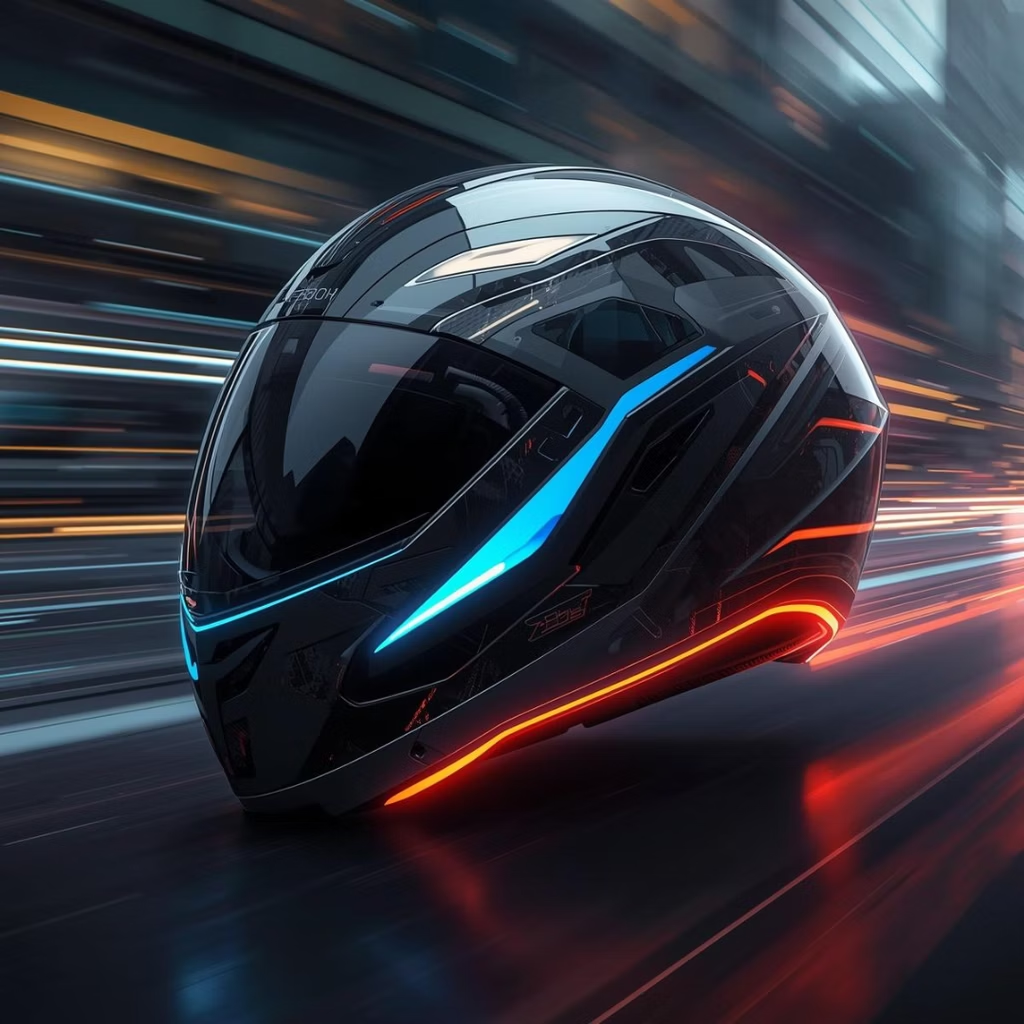
Navigating Mixed-Use Pathways: Road vs. Path Rules
Navigating Singapore’s mixed-use pathways versus dedicated roads introduces a unique set of rules and safety considerations for riders of ebikes and escooters. In Singapore, the regulations dictate that riders using Personal Mobility Devices (PMDs), such as escooters, must primarily stick to designated paths. These dedicated paths enhance safety by separating riders from vehicular traffic. The importance of wearing helmets becomes especially crucial on these paths; while it’s compulsory for those riding on the road—like ebikes—riding on mixed-use pathways necessitates a cautious approach. Riders should always be alert to potential pedestrians and other pathway users, ensuring they are wholly prepared to react as necessary, further underscoring the need for helmet usage in all scenarios where a risk of head injury exists. Conversely, when riding on dedicated roads, the rules shift, with a clear requirement for riders of ebikes to don their helmets at all times. The rationale behind this mandate is rooted in the higher speeds potential on roads, where collisions can result in severe injuries. In transitioning from paths to roads, riders must remain cognizant of their surroundings, adjusting their behaviors accordingly. Therefore, understanding the complexities between the two environments not only helps ensure compliance with the law but also fundamentally enhances the safety of all road users. Helmets should be recognized as an essential element of responsible riding, regardless of the pathway or road context in Singapore in 2026.
What Riders Need to Know: Tips for Compliance
As Singapore implements its 2026 regulations for ebikes and escooters, riders must prioritize safety and compliance to enjoy their rides without penalty. One of the most crucial elements is selecting the right helmet. Riders are advised to look for helmets that meet international safety standards, with a good fit and comfort for longer journeys. Remember, wearing a helmet is not only a legal requirement for Personal Mobility Devices (PMDs) like ebikes on the road but also crucial for rider safety. Understanding that ebikes must adhere to road-use laws, while escooters are allowed on footpaths, can help riders navigate safely and comply with regulations. Compliance means knowing where to ride, as well as when to don that all-important helmet. Furthermore, riders should stay informed about the latest updates and enforcement measures. Regularly checking for updates from the Land Transport Authority (LTA) will ensure you’re aware of any changes in regulations or new safety campaigns. Make it a habit to follow local news sources or even engage in community discussions about rules regarding ebikes and escooters. Being active in these conversations not only helps in compliance but also fosters a safety-first mentality within the rider community, ultimately improving safety for everyone on the road and paths of Singapore.
Stay Safe: Embracing Singapore’s 2026 Helmet Regulations for a Safer Riding Experience
As we look ahead to Singapore’s 2026 regulations for ebikes and escooters, it’s essential for riders to stay informed and adapt to the new landscape. These changes not only aim to enhance road safety but also promote responsible riding behavior within the growing micro-mobility community. Understanding and complying with these rules will help ensure a safer environment for all road users, including pedestrians, cyclists, and motorists. By embracing the changes, riders can contribute to a more organized and secure approach to urban transportation in Singapore. Moreover, these upcoming regulations can serve as an opportunity for innovation and better infrastructure development. As the government rolls out these rules, we may witness advancements in ebike and escooter technology, leading to improved safety features and riding experiences. By participating actively in discussions and adhering to the regulations, riders can ensure their voices are heard in shaping the future of micro-mobility in Singapore. Together, we can navigate the road ahead, making ebikes and escooters a sustainable and enjoyable mode of transportation for all.
Singapore’s new helmet rules for ebikes and escooters are a really positive step for road safety. Making helmets mandatory is great since it helps protect riders’ lives and will likely reduce injuries from accidents. These detailed guidelines show that the government seriously wants to promote a safer, friendlier environment for everyone on the road, whether you’re riding, walking, or driving.
I’m glad they’re even thinking about different rules for different devices and areas, since that makes it more practical for those using the roads daily. This might feel like more ‘red tape’ but in the long run, everyone benefits. The roads and paths are going to be much safer in 2026—this is the kind of progress Singapore needs as more people turn to e-mobility for daily commuting and fun.
I get the safety part, but don’t you think having so many different rules depending on only what you’re riding or where you’re riding makes things more confusing? People might just ignore the details and end up not following anything properly. Maybe a simpler, one-rule-fits-all approach would be easier for everyone.
I see where you’re coming from, Felicia, but I think the different rules actually make sense because the risks are different on roads and paths. Ebikes on roads are moving faster with cars, escooters on paths are closer to people—having targeted laws means the right people are better protected. Instead of one tough rule for all, these guidelines try to be fairer for the situation.
Fair point, but do you think riders will really remember the distinctions, especially those who don’t ride regularly? Even now, not everyone knows the rules for bicycles, let alone for ebikes and escooters.
Agree the rules are more detailed, but a big campaign can help everyone get used to it. Maybe with clear signs and more enforcement at first, people will catch on fast.
Honestly, I still think enforcement is going to be very hard. If you’re on an escooter, how does an officer even know which path you’re supposed to use, or whether you’re following helmet rules? Feels like a headache for both riders and authorities.
Maybe they should use tech like cameras or even app-based reminders? Singapore is quite advanced with monitoring systems.
That’s true, but at least it shows the government cares about rider safety. Something is better than nothing, even if it’s not perfect yet.
Safety is important, but won’t these helmet rules discourage people from using ebikes or escooters for short trips? Not everyone wants to carry a helmet around if they’re just going to the market nearby.
I get what you’re saying, Kenny, but safety can’t really take a break just because it’s a short ride. Helmets save lives whether your trip is five minutes or fifty.
But if rules are too strict, people just might use their cars instead, which isn’t what we want for traffic or the environment.
True, but it’s also easy now to get foldable or lightweight helmets. Maybe more public education will help make helmet carrying less of a hassle?
Somehow, I still think making helmets mandatory everywhere is just too heavy-handed, especially for adults who can judge their own risks. Why not just make it compulsory for kids?
Adults can judge risks, but accidents happen anytime! Mandatory rules remove the guesswork and make things clearer for everyone.
Moderator note: Please keep the discussion focused on the topic of helmet regulations and safety for e-mobility devices in Singapore. Off-topic posts may be removed. Let’s keep this constructive!
Quite surprised that helmet rules getting stricter, but I think it’s good because sometimes I see people zooming past without any safety gear at all. Hope everyone will really follow these new laws so our roads become less dangerous.
With so many updates coming, how can regular riders keep track of any changes or new helmet rules after 2026?
Great question! We recommend regularly checking the Land Transport Authority website and following local news for updates. Our team at Escooter Singapore will also keep our customers and community informed about any new rules or changes.
The rules seem a bit complicated, especially with different laws for ebikes and escooters on roads and paths. Maybe they should just make helmet wearing compulsory everywhere to avoid confusion.