


Electric scooters have transformed urban commuting, offering a convenient and eco-friendly alternative to traditional transportation. But with so many options on the market, riders often face a crucial decision: should you opt for a seated or standing escooter? The answer isn’t just about personal preference—factors like comfort, range, and even riding style can greatly impact your daily journeys and long-distance trips alike. Knowing how these two types of scooters stack up is key to making a choice that fits your needs and lifestyle. In this comprehensive guide, we’ll dive deep into the distance capabilities and comfort levels of both seated and standing escooters. Whether you’re seeking a smooth ride for longer commutes or prioritizing portability for quick errands around town, we’ll break down the pros and cons of each option. By the end, you’ll have all the insights necessary to decide which scooter style best matches your expectations for performance, practicality, and everyday enjoyment.
Understanding Seated and Standing E-Scooters
Seated and standing e-scooters represent two distinct approaches to personal electric mobility, each tailored to different riding preferences and lifestyles. Seated e-scooters typically feature a comfortable, integrated seat, larger frames, and often, bigger wheels, providing a more stable and relaxed riding experience. These models are frequently favored by commuters facing longer distances or by older riders who prioritize ergonomic comfort and reduced fatigue on their journeys. In contrast, standing e-scooters are designed with compactness in mind—a minimalist platform, upright handlebars, and a lightweight frame—making them highly portable for quick trips and easy storage in tight urban environments. The intended user groups for each scooter type are also shaped by these foundational design differences. Seated e-scooters cater to those who seek a car-like experience for prolonged rides, possibly replacing public transportation on daily commutes. Their design supports longer sessions without the physical strain of standing. Standing e-scooters, on the other hand, appeal to riders who value agility, portability, and ease of carrying—such as students, city dwellers, or last-mile commuters. By understanding these essential characteristics and features, prospective riders can better identify which scooter type aligns with their comfort preferences and typical travel distances, setting the stage for a more nuanced comparison in terms of distance capabilities and ride satisfaction.
Comfort Showdown: Which Scooter Wins for Ease of Use?
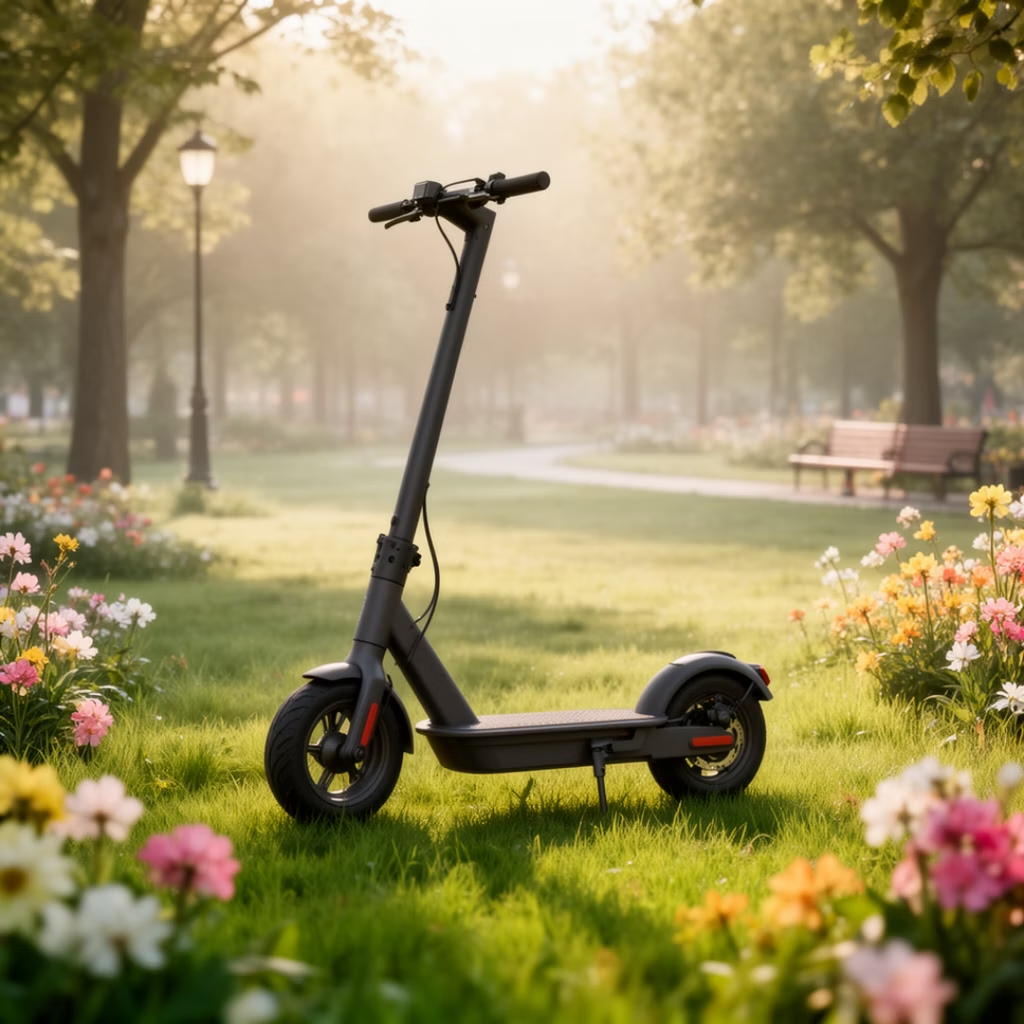
When it comes to comfort and ease of use, the choice between seated and standing e-scooters often boils down to personal needs and riding scenarios. Seated e-scooters offer the distinct advantage of allowing riders to maintain a relaxed, upright posture, which can significantly reduce fatigue on longer commutes. This design typically features larger, cushioned seats and sometimes even wider platforms, contributing to ride stability and ergonomic support. As a result, older riders, individuals with limited mobility, or anyone who anticipates spending extended periods on their scooter often find seated models more accessible and comfortable. The added stability also helps when navigating bumps or uneven roads, ensuring a smoother journey for those prioritizing comfort over quick convenience. On the other hand, standing escooters shine in scenarios that prioritize agility and portability. These models allow riders to shift their weight easily, engage their core, and make sharp turns—making them suitable for short trips or active commutes requiring frequent stops. The simplicity of a standing design means less weight, easier storage, and quicker mounting or dismounting, especially in urban environments where portability is a major plus. While standing scooters may not provide the same laid-back comfort as their seated counterparts, they do offer an engaging riding experience and the ergonomic benefits of active posture for those who prefer a more energetic commute. Ultimately, the best option for comfort hinges on balancing your physical needs with your typical travel distance and riding style.
Distance Matters: Analysing Ride Range and Endurance
When it comes to daily commuting and longer trips, the difference between seated and standing escooters becomes especially significant in terms of distance and rider endurance. Seated escooters typically feature larger battery capacities, allowing for extended range—often exceeding 30 miles on a single charge. This makes them ideal for users whose commutes stretch beyond the capabilities of most standing models. Fatigue is a key consideration as well; being able to sit while riding greatly reduces physical strain, particularly on the legs and lower back, making it much easier to tackle longer journeys without discomfort. This is a major reason why seated escooters tend to be favored by older riders and those facing daily commutes that last over 30 minutes each way. On the other hand, standing escooters are designed with portability and short-distance travel in mind. Their lighter frames and smaller batteries mean they typically travel shorter distances—often around 10 to 20 miles per charge—but their compactness allows for easy storage under desks or in public transit. While standing can contribute to quicker onset of fatigue over long rides, these models remain a popular choice for people with brief commutes or those who need to carry their scooter frequently. Ultimately, if ride range and endurance are your top priorities, especially for longer, daily trips, a seated escooter may provide the comfort and battery life you need. However, for urban dwellers prioritizing portability over distance, standing models hold a clear advantage.
Portability and Practicality: Urban Life Considerations
Portability is a top priority for urban e-scooter users, especially those who navigate crowded subways, tight apartment spaces, or workplaces with limited storage. Standing e-scooters generally excel in this area, as they are designed to be lighter and more compact than their seated counterparts. Many standing models weigh less, have intuitive folding mechanisms, and can be easily carried up stairs, stored under desks, or tucked into the trunk of a car. For city dwellers with an on-the-go lifestyle, this level of convenience makes standing e-scooters an ideal choice for short commutes or multi-modal travel. On the other hand, seated e-scooters, though offering enhanced comfort for longer rides or for users with mobility needs, are typically bulkier and heavier. The added seat, larger frame, and sometimes even built-in suspension systems contribute to their weight, making them more cumbersome to carry and more challenging to store in small living spaces. While some seated models do feature foldable designs, they tend to be less compact than standing models. For anyone prioritizing quick storage, ease of transport, or frequent lifting, standing e-scooters clearly tip the scales in favor of urban practicality.
User Profiles: Who Should Choose Which Scooter?
When choosing between a seated or standing escooter, your lifestyle and daily habits play a pivotal role in finding the best fit. Seated escooters are an excellent choice for older adults or anyone with physical limitations, as they offer more comfort and support on longer journeys. For commuters facing extended travel distances each day, a seat helps minimize fatigue, offering a ride that’s both smooth and less taxing on the body. Urban explorers who want to cover miles of cityscape can benefit from the extra comfort a seat provides, making trips not only more enjoyable but potentially safer by improving stability during longer rides. On the other hand, standing escooters cater exceptionally well to students, short-distance commuters, or anyone prioritizing portability and storage ease. These lightweight options are easy to fold and carry, making them ideal for quick hops between transit stops, crowded campuses, or navigating busy city sidewalks. Standing escooters also offer a sense of freedom and agility, appealing to younger riders or those looking for a fun, active travel experience. Ultimately, understanding your own riding habits—whether prioritizing range and comfort or needing a nimble, portable solution—will point you toward the most suitable escooter for your needs.
Making the Right Choice: Your Ideal E-Scooter Awaits
In summary, both seated and standing escooters offer unique advantages depending on your priorities, making the ultimate choice a matter of personal preference and riding requirements. If you value comfort and plan on traveling longer distances, seated escooters are likely the better option, offering supportive ergonomics and the ability to ride longer without fatigue. Conversely, if portability, maneuverability, and a heightened sense of control are your top concerns, a standing escooter may fit your lifestyle best, especially for short commutes or recreational rides. Before making your decision, consider your typical journey length, the type of terrain you’ll be navigating, and your comfort preferences. Take advantage of the opportunity to test-ride both types of escooters if possible. By weighing the factors outlined in this guide, you’ll be able to select the model that fits seamlessly into your daily routine and maximizes both your comfort and the distance you can travel with ease.
Very informative breakdown! I never thought so much about how important comfort is until I had to use an e-scooter for daily commuting. Now I see why some people always go for the seated ones.
Is it possible to add a seat to a standing escooter later if I want to switch for more comfort after some time?
Great question, Wei Liang! For many standing escooters, adding a seat is possible through aftermarket kits, but compatibility depends on the specific model. We recommend checking with your scooter’s brand or our team to see if your unit can safely support a seat upgrade.
I really appreciate how this guide dives into the little details that really matter, like fatigue and portability. I used to think all escooters were about the same, but it’s clear now how seated scooters are perfect for people who need comfort over long commutes, while standing ones are just so practical for everyday city use. The comparison about range and ergonomic comfort makes a big difference for anyone deciding on a model for daily rides.
Personally, I feel the guide nails it when explaining how your lifestyle should affect your decision. Not everyone needs to go 30 miles a day, but having all this info helps people make the right choice for themselves, instead of just picking whatever looks good. I wish I read something like this before buying my first scooter!
It’s a good overview, but I think the guide might oversell how comfortable seated escooters are. Just because there’s a seat doesn’t mean long rides are always relaxing—sometimes the roads are bumpy, or the scooter itself isn’t built for real comfort. Also, aren’t seated models too bulky for most apartments and public transport? For me portability is way more important.
That’s a fair point, Hariz. I agree not all seated scooters have perfect seats, but generally they do help with fatigue compared to standing for a long trip. Maybe it depends more on how often you need to carry your scooter versus how far you usually ride. I feel like if you mainly go long distances, the trade-off for less portability might be worth it.
I have to add, bulky seated models just don’t make sense for HDB or condo living. Even if they’re comfy, there’s barely space to store them if your home is tight. Portability wins for most Singaporeans, I think.
I agree with Mei Ling though, if you’re out on the road more than 45 minutes each way, standing gets tiring. City flats are small but maybe people who live outside dense areas would prefer the comfort even if it’s bulky.
Honestly, I don’t see the point of getting a seated scooter unless you have special mobility requirements. They’re way heavier, harder to bring up to the office, and you still have to charge a bigger battery. It just sounds impractical for most urban folks.
True, Nicholas, seated ones only make sense for specific situations. I used to have one but switched after struggling every single time I needed to move it. Why sacrifice daily convenience unless you really need the extra comfort?
But for courier riders or Grab delivery riders, seated is still the better option. Being on your feet all day just isn’t possible for everyone.
As a moderator, just a reminder to keep the discussion focused on the seated vs standing escooter pros and cons mentioned in the guide. Let’s also share personal experiences with both types if possible—real stories help others decide!
Thanks, Elizabeth! Personally, I found switching from a standing to a seated scooter really reduced my fatigue for longer weekend rides. Anyone else try both and have a different experience?
Good reminder! It’s useful to hear everyone’s daily commute stories. Both types clearly have their place, just depends on what your routine is.
I like how you mentioned the portability of standing e-scooters. For me, it’s really hard to carry something bulky upstairs every day, so a lighter scooter just makes sense for city living.