


In recent years, Singapore LTA green transports has been at the forefront of a transportation revolution, embracing sustainable and innovative solutions to enhance urban mobility. The rise of e-mobility—encompassing electric vehicles, e-bikes, and scooters—has not only transformed the way residents navigate the city but has also played a crucial role in reducing its carbon footprint. As urban centers grapple with increasing congestion and pollution, Singapore’s Land Transport Authority (LTA) is leading the charge with strategic green transport initiatives aimed at facilitating a cleaner, more efficient transport ecosystem. This blog explores the intersection of e-mobility and public policy in shaping a greener urban landscape in Singapore. Through the lens of various LTA projects and e-mobility advancements, we will examine how these initiatives are enabling a seamless and sustainable travel experience. From expanding charging infrastructure to enhancing public bike-sharing systems, the commitment to green transport not only fuels the adoption of cleaner technologies but also represents a forward-thinking approach to urban planning. Join us as we delve into the exciting developments that are revolutionizing Singapore’s streets and paving the way for a more sustainable future.
The Rise of E-Mobility in Urban Settings
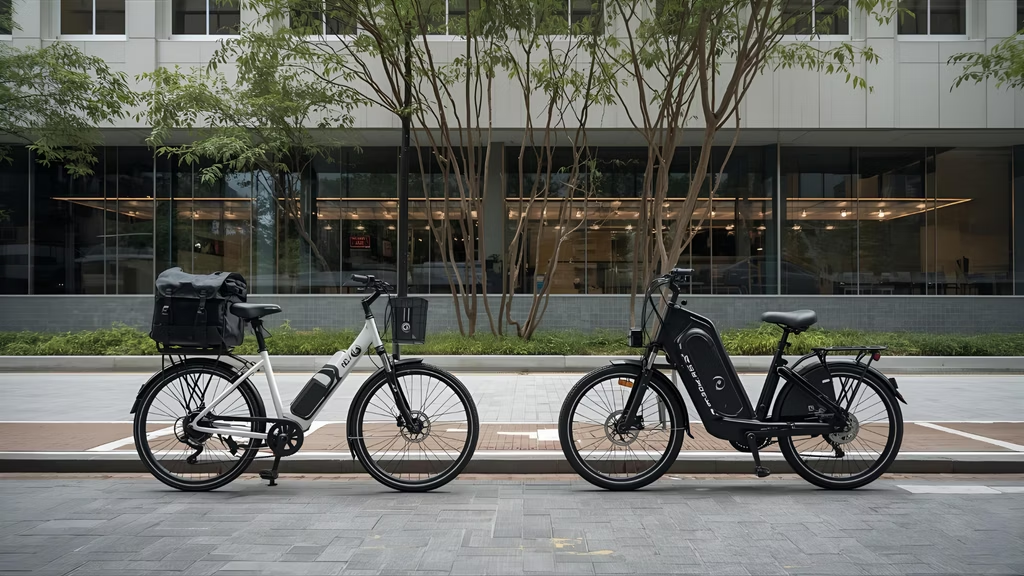
The rise of e-mobility in urban settings is rapidly transforming the way people navigate cities across the globe, and Singapore is at the forefront of this revolution. As cities become increasingly congested, e-vehicles like e-bikes and e-scooters offer a nimble and efficient alternative to traditional transportation methods. In Singapore, a combination of factors—rising urban populations, a push for sustainable living, and the government’s proactive measures—has fueled the adoption of these eco-friendly transportation options. The Land Transport Authority (LTA) has played a pivotal role in establishing infrastructure that supports e-mobility, including designated lanes and charging stations, which further incentivizes their use among residents and commuters alike. This shift aligns seamlessly with Singapore’s Smart Nation initiative and ambitious sustainability goals set for 2030, aiming to reduce reliance on fossil fuel-based transport and improve the overall quality of urban life. The socioeconomic factors driving the rise of e-mobility are equally notable. As the cost of owning and maintaining a car continues to rise, more citizens are opting for bikes and scooters—both budget-friendly and easier to navigate in urban areas. Moreover, the growing emphasis on health and environmental consciousness has made e-mobility an appealing choice for those looking for sustainable transport solutions. In response, Singapore is expanding its park connector networks to enhance connectivity while promoting recreational e-vehicle use. This holistic approach not only makes transportation more accessible but also fosters community engagement and promotes healthier lifestyles, exemplifying how innovative policies can reshape urban mobility for the better.
Singapore’s Smart Nation Initiative: A Catalyst for Change
Singapore’s Smart Nation Initiative has positioned the city-state at the forefront of digital transformation, particularly in urban mobility. By leveraging cutting-edge technology, the initiative aims to integrate smart solutions into public transport and personal mobility options. Central to this vision are infrastructure improvements that facilitate smoother interactions between traditional transit and e-mobility solutions such as e-bikes, e-scooters, and e-wheelchairs. Through extensive data collection and analysis, the Land Transport Authority (LTA) can tailor its green transport policies, ensuring they effectively serve the growing demand for eco-friendly travel options, reducing carbon footprints while enhancing user convenience and safety. Moreover, the Smart Nation initiative aligns with Singapore’s sustainability goals for 2030 by fostering an interconnected transport network. The development of a robust park connector network allows for seamless travel across the city, promoting active mobility and reduced reliance on fossil fuel-powered vehicles. By exhibiting strong commitment through policies and infrastructure that support e-mobility, Singapore is not just reshaping urban transport but also empowering citizens to embrace greener travel alternatives. The integration of technology with e-mobility signifies a significant step towards achieving a truly smart and sustainable urban environment.
LTA Green Transport: Policies and Programs
The Land Transport Authority (LTA) of Singapore plays a pivotal role in championing green transport initiatives aimed at fostering sustainability across the nation’s public transport system. With an unwavering commitment to reducing carbon emissions, LTA has implemented several policies and programs that encourage the integration of e-mobility solutions, such as e-bikes, e-scooters, and e-wheelchairs, into Singapore’s existing transport infrastructure. These initiatives not only enhance the accessibility of urban mobility but also align with Singapore’s broader goal of becoming a Smart Nation, where technology and sustainability converge for a greener future. Key measures include expanding the park connector network, facilitating easier last-mile connectivity, and supporting the development of a robust charging infrastructure for electric vehicles, which collectively contribute to enriched urban living and lowered environmental impacts. In pursuit of its sustainability goals for 2030, LTA’s proactive approach emphasizes not only infrastructure development but also community engagement and education around green transportation options. Programs designed to promote awareness and usage of electric mobility solutions highlight the importance of collective efforts towards reducing the carbon footprint of the transportation sector. By fostering a culture of eco-friendly commuting, LTA is paving the way for a more sustainable urban ecosystem, ensuring that as Singapore continues to grow, its transport solutions remain both innovative and environmentally responsible.
Connecting the City: The Impact of Park Connector Networks
Park connector networks are becoming a vital part of Singapore’s urban landscape, significantly enhancing the accessibility and integration of green spaces throughout the city. These networks serve as vital links between parks, nature reserves, and residential areas, making it easier for residents and visitors to access outdoor recreational opportunities. With the rise of e-mobility solutions like e-bikes, e-scooters, and e-wheelchairs, these connectors play a crucial role in promoting sustainable transportation options. They not only provide a dedicated route for these modes of transport but also help reduce reliance on conventional vehicles, contributing to a greener city aligned with the Land Transport Authority’s (LTA) green transport initiatives. The ease of connecting to various points across the city ensures that e-mobility users can navigate comfortably and efficiently, increasing the overall appeal of using these innovative transportation methods. Moreover, the development of park connector networks promotes a seamless travel experience, enabling users to traverse the bustling streets and green spaces of Singapore without barriers. As a result, it fosters a sense of community by encouraging outdoor activities, social interactions, and a healthier lifestyle. With future collaborations planned as part of Singapore’s Smart Nation push, these park connectors are designed to evolve, incorporating additional technology and infrastructure support for e-mobility solutions. This reflects a significant commitment to enhancing urban mobility, ensuring that as more residents become aware of and adopt these sustainable transport options, they can seamlessly engage with and appreciate Singapore’s beautiful natural landscapes.
The Challenges and Opportunities Ahead for E-Mobility
As Singapore continues to embrace e-mobility solutions, several challenges remain that could hinder the widespread adoption of these technologies. One of the primary hurdles is the regulatory framework, which must evolve to accommodate new modes of transport like e-bikes and e-scooters. The Land Transport Authority (LTA) is actively working on creating guidelines that ensure safety for all road users, yet balancing innovation with regulation is crucial. Additionally, public perception poses a challenge; many residents may be hesitant to embrace e-mobility due to concerns over safety and the adequacy of infrastructure. Ensuring that transportation networks integrate seamlessly with existing pedestrian and vehicular traffic is vital to altering these perceptions successfully. However, alongside these challenges lie significant opportunities for growth and innovation in Singapore’s transport sector. As environmental awareness increases, public interest in sustainable and efficient transport solutions is on the rise, creating a fertile ground for e-mobility initiatives. The Smart Nation initiative and the LTA’s vision for a greener transport system not only encourage investment in technology but also spark innovations in battery technology, charging infrastructure, and shared mobility services. With continued commitment from the government and collaboration among stakeholders, the integration of e-mobility can transform Singapore’s urban landscape, making it a global leader in sustainable transport solutions.
Future Goals: Sustainability Targets for 2030
As Singapore strides towards its ambitious sustainability targets for 2030, the government’s commitment to green transport initiatives plays a pivotal role in shaping the urban mobility landscape. These goals include reducing the carbon footprint of transportation, promoting the use of electric vehicles (EVs) and e-mobility options such as e-bikes and e-scooters, and enhancing public transport accessibility. The Land Transport Authority (LTA) is spearheading projects focused on integrating e-mobility solutions with the existing park connector networks, making greener transportation alternatives not only feasible but also attractive for the city’s inhabitants. This unified approach not only accelerates the shift towards sustainable commuting options but also supports broader environmental objectives aimed at achieving a climate-resilient future, reflecting Singapore’s status as a Smart Nation. Looking ahead, these sustainability targets underscore a crucial transition that aligns with global efforts for decarbonization. The initiatives are designed to create a well-connected transport ecosystem that encourages the use of e-mobility while reducing traffic congestion and pollution. By 2030, Singapore envisions more extensive infrastructure to support electric mobility, such as charging stations and designated lanes for e-scooters and e-bikes. This future vision is not merely a shift in transportation methods, but a holistic approach to urban planning that prioritizes sustainability, accessibility, and innovation, ensuring that the city not only meets the demands of its growing population but also fosters a greener, safer environment for generations to come.
Embracing a Greener Future: The Promise of E-Mobility in Singapore
In conclusion, the rapid integration of e-mobility in Singapore marks a pivotal shift towards sustainable transportation, enhancing not only the efficiency of urban mobility but also contributing to a cleaner environment. With strategic initiatives by the Land Transport Authority (LTA), the city-state is laying down the framework for a vibrant network of electric vehicles, bicycles, and other green modes of transit. As Singapore continues to embrace innovative technologies in its quest for a more resilient transport infrastructure, the positive impacts on traffic congestion and air quality will only become more pronounced, validating the necessity of such forward-thinking policies. Furthermore, as residents adapt to these changes, the importance of community engagement and education cannot be overstated. Encouraging citizens to take part in these e-mobility initiatives will not only foster a culture of sustainability but also ensure the long-term success of LTA’s vision. By collectively embracing this green revolution, Singapore sets an example for cities worldwide, demonstrating how urban areas can evolve towards eco-friendly frameworks while maintaining a high quality of life for their residents.
I’m really amazed by how Singapore is pushing e-mobility and green transport! The way LTA is connecting the city with better charging stations, dedicated lanes, and park connectors shows real forward planning. With the expansion of e-bike and e-scooter networks, daily commutes are becoming not just greener but also more efficient and convenient.
It’s also fantastic that the Smart Nation initiative supports this movement, bringing digital solutions and smart infrastructure into urban mobility. By 2030, reaching those sustainability targets looks truly possible if this momentum is kept up. These efforts don’t just benefit the environment but also improve the quality of everyone’s daily life, making the city more livable and future-ready.
But don’t you think safety is still a problem? I see a lot of e-bike and scooter users riding quite fast on shared paths, and not everyone follows the rules. Even with more lanes, accidents can still happen. Plus, not all areas have good charging spots yet, so some people might find it a hassle to use e-mobility every day.
Those are valid worries, Shanti, but LTA is already putting stricter rules and more education for e-mobility users. They’re also adding more charging points every year. With public feedback and stronger enforcement, e-mobility can grow much safer for everyone.
Let’s hope so. I think more must be done to remind riders and even pedestrians about sharing pathways. Maybe awareness campaigns in more languages would help since not everyone catches the news.
Honestly, some enforcement isn’t enough. You need clear signs and painted lanes everywhere. In some neighborhoods still feel quite messy during peak hours.
But what if the infrastructure still doesn’t catch up with user demand? For example, older Hawker centres or HDBs might not have space for more chargers or bike lots. Then what will happen if tons of people switch to e-bikes?
It’s not just about upgrades, though. They need to ensure these new systems are affordable and can be used by everyone, not just those who live in newer estates.
True, but Singapore usually adapts fast. As more people take up e-mobility, government will definitely plan upgrades, just like how they did with lifts and ramps over the years.
I agree there is good progress, but don’t you think Singapore could do even more to support those hesitant to switch, like seniors? Tech and e-mobility can be intimidating for some, and not all are comfortable with these changes. Sometimes it feels like policies move faster than the people they are meant for.
Sometimes training isn’t enough if the interface and vehicles are still not senior-friendly. All these high-tech solutions can confuse and tire older folks easily.
That’s true, but that’s why feedback from seniors is needed in design discussions. It’s not just about teaching new tech, but making tech that is truly easy for everyone.
Agree, so next wave of e-mobility devices should be made with elderly and less mobile persons in mind. Hope LTA listens to all ground feedback, not just young techies.
That’s a fair point, and I think LTA knows about these worries. That’s why you see more training sessions and workshops to help seniors learn about e-vehicles safely. Over time, with better community support, I believe more people will get comfortable and benefit from these changes.
Hopefully they will keep the programs going and maybe make them easier for folks who don’t speak English so well. Got to make sure nobody is left behind just because of age or language.
Community support is important, but family also plays a big role. Maybe the government can incentivise intergenerational learning, like grandkids teaching grandparents how to use e-scooters.
Hi all, as the moderator, please keep the discussion focused on e-mobility and how LTA’s green transport initiatives are impacting Singapore’s urban landscape. Feel free to share experiences or ideas on making these changes more inclusive for all residents.
It’s really good to see Singapore taking big steps for green transport, especially with LTA making things easier for e-vehicles. But sometimes, I feel it’s still quite tricky to use e-bikes in certain areas, maybe more charging points will help.
I wonder if these LTA initiatives will address the difficulties older people face when switching to e-mobility? It can be tough for them to learn new things and feel safe.
That’s a very thoughtful question, Roslan. LTA’s green transport initiatives do place importance on accessibility and safety, especially for seniors, by supporting user-friendly e-mobility options like electric wheelchairs and promoting educational programs to help everyone—including older residents—adapt confidently and safely.
Very interesting post! I hope more people will be open to e-mobility, but got to make sure safety for pedestrians and users also taken care of. The plans sound promising.