


As we march towards 2026, the significance of safety regulations for Personal Mobility Devices (PMDs) in Singapore is paramount. Central to this push for enhanced safety is the UL2272 PMDs certification, a standard that is fast becoming known as a lifeline for PMD users and the broader community. With the rise of PMDs in urban transport, understanding the nuances of UL2272 certifications can help users make informed choices, ensuring not only their personal safety but also the well-being of those sharing the road. This blog post will delve into what UL2272 entails, why it is crucial for PMD safety, and how it impacts manufacturers as well as consumers alike in Singapore’s dynamic transport landscape. In recent years, incidents related to PMD safety have highlighted an urgent need for regulatory frameworks that protect both riders and pedestrians. The UL2272 certification represents a holistic approach to ensuring electric devices, such as e-scooters and hoverboards, meet essential safety standards. As more users rely on these devices for their daily commutes, understanding the certification process and its implications becomes increasingly vital. Together, we will examine not only the technicalities of UL2272 but also the social perspectives that motivate its enforcement and its anticipated impact on Singapore’s PMD landscape in the years to come.
Current Fire Safety Concerns Surrounding PMDs
In recent years, the surge in popularity of Personal Mobility Devices (PMDs) in Singapore has raised significant fire safety concerns surrounding their use, particularly with the integration of lithium-ion batteries. Numerous incidents have come to light, where battery malfunctions resulted in fires, prompting urgent discussions among parents and residents of HDB (Housing and Development Board) flats. The prospect of a battery fire not only poses dangers to the user but also to the surrounding community, which has increased anxiety around the safety of these devices. Parents, in particular, worry for their children’s safety, sparking a wider dialogue about the need for stringent safety standards in this evolving technological landscape. This escalating concern is what makes UL2272 certification increasingly critical, serving as a benchmark for assessing the safety and reliability of PMDs by ensuring that they adhere to essential fire safety standards. The UL2272 certification process evaluates PMDs based on multiple safety criteria, particularly focusing on electrical and mechanical safety aspects. It aims to reduce the risks associated with battery fires through rigorous testing, which highlights its importance for safety-conscious parents and HDB residents. The heightened awareness driven by recent fire incidents underscores the urgency for all PMD users to consider devices that meet UL2272 standards. By mandating compliance with such rigorous safety benchmarks, Singapore can better protect its residents from potential hazards, while ensuring the sustainable integration of PMDs into everyday life.
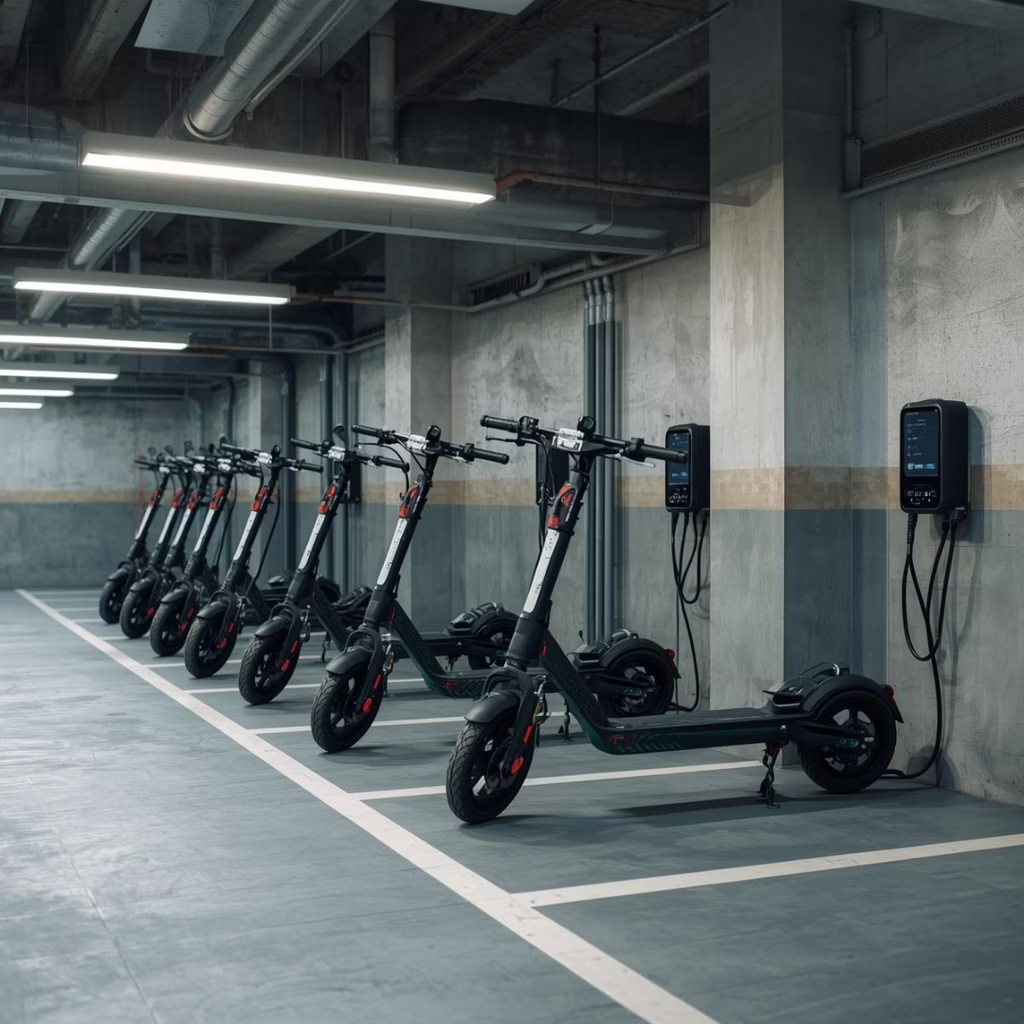
Why UL2272 Certification Matters in 2026
As we look towards 2026, the importance of UL2272 certification for Personal Mobility Devices (PMDs) in Singapore cannot be overstated. With increasing usage of PMDs among residents, particularly within the bustling HDB community, the focus on safety and regulatory measures has intensified. UL2272 certification not only serves as a benchmark for electrical safety standards but also reassures users that their PMDs have undergone rigorous testing to mitigate risks associated with battery fires. These fire safety standards are critical, especially for safety-conscious parents who might be worried about the potential dangers of faulty devices. In a landscape where every assurance is vital, UL2272 certification stands as a crucial lifeline to enhancing the confidence of users in 2026 and beyond. Moreover, as regulatory frameworks evolve to keep pace with emerging trends, UL2272 certification will continue to play a pivotal role in shaping the PMD industry. Authorities will likely implement stricter regulations, making compliance and certification not just beneficial but necessary for all manufacturers. This evolution highlights the essential nature of safety certifications as proactive measures against accidents and incidents related to PMDs. For HDB residents and parents alike, understanding the significance of UL2272 certifications translates to better decision-making and prioritization of safety in their everyday mobility solutions.
How UL2272 Certifications Protect Families and Communities
UL2272 certifications serve as a crucial safety standard for families and communities, especially as we approach 2026 in Singapore. These certifications assure parents that the motorized personal mobility devices (PMDs) their children use meet rigorous safety protocols designed to prevent battery fires. By adhering to these standards, manufacturers are compelled to assess and enhance the safety measures of their devices. Consequently, parents can enjoy peace of mind knowing that their loved ones are using safer modes of transportation which minimizes the risk of explosive incidents, providing enhanced confidence in the technologies that have become increasingly integrated into everyday life. The impact of UL2272 certifications extends beyond individual homes, promoting safer public spaces, particularly within Housing and Development Board (HDB) environments. As certified PMDs take to the streets and pathways used by families and community members, the likelihood of accidents and battery-related fires diminishes significantly. This collective reduction in risk not only fosters a safer atmosphere for residents but also enhances a community’s overall quality of life. By championing these certifications, we create a culture of safety and responsibility that benefits everyone, making neighborhoods safer and more enjoyable for families and individuals alike.
What HDB Residents Need to Know About PMD Regulations
As an HDB resident in Singapore, understanding the regulations surrounding Personal Mobility Devices (PMDs) is crucial, especially with the impending enforcement of the UL2272 certification standards in 2026. These rules detail not only where and when you can use PMDs but also emphasize the importance of safety features that these devices must adhere to. Regulations dictate that PMDs powered by batteries should meet strict fire safety standards, reducing the risks of battery fires that have raised concerns in the community. Educating yourself on these regulations ensures compliance while enhancing the safety of family and neighbors as PMDs become an integral part of urban mobility in Singapore. To navigate this evolving landscape, HDB residents should familiarize themselves with designated paths and restrictions on PMD usage within estate boundaries. Awareness of where PMDs can be safely operated—such as in parks or along designated walking paths—helps prevent accidents and ensures everyone’s safety. Moreover, residents should also stay abreast of the latest developments and guidelines set forth by local authorities. By understanding and respecting these regulations, you can enjoy a safer riding experience while promoting a culture of safety and responsibility in your community.
Tips for Choosing UL2272 Certified PMDs
When selecting Personal Mobility Devices (PMDs) in Singapore, consumers should prioritize UL2272 certification, which guarantees that a device has passed rigorous safety tests related to fire hazards. Start by checking for the UL2272 label on the device before making a purchase. This certification focuses on the performance of electric, battery-operated PMDs and verifies that they are constructed to minimize risks, particularly against battery-related fires—a growing concern among families and residents. Additionally, consumers should look for specific details and documentation regarding the battery types used and any safety features incorporated into the device. Always purchasing from reputable retailers who can ensure that the PMDs comply with safety protocols is a crucial step in this process. This way, buyers can be confident that they are acquiring high-quality products built with safety in mind. Another significant aspect when choosing UL2272 certified PMDs is to consider user reviews and ratings. Feedback from other consumers can provide insights into real-world safety performance and reliability. Many online marketplaces feature customer reviews that can help identify any potential issues with specific models. Moreover, educating yourself about the common features of safe PMDs—like regenerative braking, reliable battery management systems, and certified charging equipment—will further enhance your ability to make informed choices. By following these tips, you can ensure the safety of both your family and the community while enjoying the convenience of PMDs in Singapore.
UL2272 Certification: A Non-Negotiable Safety Standard for Singapore’s Future
In conclusion, the implementation of the UL2272 certification in 2026 represents a significant milestone in enhancing the safety and reliability of Personal Mobility Devices (PMDs) in Singapore. By adhering to these stringent safety standards, manufacturers will not only improve user confidence but also potentially reduce accidents and injuries associated with PMD usage. As we navigate the evolving landscape of urban mobility, this certification will serve as a benchmark for quality, ensuring that all PMDs on the market meet the highest safety protocols before they are used by the public. This is a proactive measure that reflects Singapore’s commitment to promoting a safe and responsible environment for all commuters. Looking ahead, it is essential for all stakeholders—including manufacturers, consumers, and regulatory bodies—to stay informed about these changes and collaborate towards a safer future for PMD riders. As the rollout of UL2272 progresses, education and awareness campaigns will be crucial in facilitating a smooth transition. By prioritizing safety standards and embracing technological advancements, Singapore can lead the way in setting exemplary benchmarks for PMD safety globally, fostering a culture of responsible mobility that benefits everyone.
I genuinely believe the mandatory UL2272 certification in 2026 will be a game-changer for Singapore’s PMD landscape. Finally, there’s a rigorous, science-backed standard to guide both consumers and manufacturers, ensuring much safer devices on the road and in our homes. Knowing how stressful recent fire incidents were for HDB families, I think this policy provides real peace of mind for parents and daily PMD users alike.
Besides bringing more safety, the certification encourages innovation as manufacturers will need to meet higher standards to enter our market. In the long run, these efforts help promote responsible mobility habits and set a gold standard for PMD safety in the region. I’m optimistic that sticking to UL2272 will make both public and private spaces safer for everyone.
While I see the good intentions here, is UL2272 really enough to solve Singapore’s PMD safety issues? Standard certification checks can’t guarantee batteries won’t malfunction years later or that all shops will strictly comply. I worry this gives people a false sense of security, and that black market sales or DIY modifications will still continue. Aren’t there better ways than just trusting a label?
That’s a fair point, Ravi. No certification is perfect, but UL2272 does set a high bar for initial safety and weed out unfit products at the source. With stronger enforcement and active public education, I think the risks from non-compliant or modified PMDs can be managed. At least with this certification, we have a baseline to start protecting people.
It’s true, introducing a baseline is better than nothing. But we need to make sure authorities can keep up with enforcement, and residents know how to spot unsafe PMDs. Otherwise, bad actors will find loopholes. Certification alone must be combined with real checks and consequences.
I’m not convinced public education will change that much. A lot of people just want cheap PMDs, no matter what label it carries. Maybe stricter penalties and more fire drills in HDB blocks would help too.
My concern is that older PMDs are still around, and some users may not even know about new rules. Maybe more outreach in different languages or town councils working closely with shops would help.
Yes, town councils should really step up. Flyers, SMS posters in lifts—anything to get the word out before someone’s old scooter causes trouble. It’s about community safety in the end.
I get why people are happy about UL2272 but isn’t it just going to drive up PMD prices? Newer, safer models are good, but many students and delivery riders already struggle to afford these devices for work or school. Won’t cost become a barrier, especially for lower-income families?
Thanks for bringing up the cost issue, Yusuf. I agree certified products might cost more, but maybe there can be government grants or trade-in programs to help those who depend on PMDs most. Safety should be for everyone, regardless of income.
If there are subsidies, it would help a lot of us. Otherwise, enforcement might just push people back to cycling or walking instead of safer PMDs.
Trade-in programs sound good, as long as they’re simple to use. Sometimes the paperwork just makes people skip the whole process. Keep it friendly, and community centres can help too.
Not just the upfront cost, but repair and maintenance for certified PMDs might be more expensive too. Some families may keep using old models quietly if they can’t keep up.
It’s important the certification doesn’t accidentally exclude people who need PMDs most. Maybe there could be used-PMD markets regulated for safety or rental schemes for certain groups.
Hi all, friendly reminder to stick closely to UL2272 certification, PMD safety, and the community impact in Singapore for this discussion! Please avoid going off-topic. Let’s keep this focused and respectful.
I’m wondering if existing PMD owners need to upgrade or replace their devices to meet UL2272 standards, or can they just use what they have after 2026?
Great question, Wei Ming! After 2026, only UL2272-certified PMDs will be allowed on public paths in Singapore. Existing owners will need to upgrade or replace non-certified devices to comply with the law and ensure everyone’s safety.
This is very helpful info, especially for those of us living in HDB flats. I always worry about the fire risk from PMDs, so knowing about UL2272 makes me feel a bit more assured.
Thanks for breaking down the certification details! I think stricter rules are necessary since more people are using PMDs now, and safety has to come first for everyone, not just the riders.