


Thinking of ebike trade in? In today’s rapidly evolving world of sustainable transportation, e-bikes have emerged as a popular choice for environmentally conscious commuters and adventure seekers alike. However, as technology advances and newer models are frequently introduced, e-bike owners may find themselves at a crossroads: should they trade in their current ride for a newer upgrade? This blog post aims to guide you through the process of evaluating your options, helping you make informed decisions that not only enhance your riding experience but also contribute positively to the planet. By understanding the value of your e-bike and the potential benefits of a trade-in, you can seamlessly transition to the latest innovations available on the market. As we delve into the advantages of e-bike trade-ins, we will also explore sustainable practices that can maximize the value of your current model and provide insights on eco-friendly upgrades. From assessing your e-bike’s value to understanding the significance of recycling and responsible disposal, this guide is designed to empower you to make choices that reflect both your lifestyle and environmental commitments. Join us as we unlock the hidden potential of your e-bike and discover how you can embrace a greener future with every pedal stroke.
The Case for E-Bike Trade-Ins: Value Recovery and Sustainability
Trading in your e-bike presents a unique opportunity to not only recover value but also to contribute to a more sustainable future. With advancements in e-bike technology, models rapidly evolve, making your current bike potentially less valuable over time. Factors such as age, condition, battery health, and even the specific model play significant roles in determining your trade-in value. By opting to trade in rather than sell outright, you can often receive a better offer and utilize that value towards your next purchase. This process not only benefits your wallet but also encourages responsible consumption by reducing waste, which is critical in our quest for sustainability in transportation.
Participating in e-bike trade-ins, like those offered through Eko Life’s program, is an impactful way to ensure that older bikes are recycled or refurbished rather than ending up in landfills. Upgrading smartly means choosing a new model that fits your needs best while simultaneously making an eco-friendly choice. As consumers increasingly seek sustainable alternatives, trading in your e-bike exemplifies a win-win scenario: financial gain for you and a positive environmental impact. So, when considering an upgrade, remember that a trade-in can maximize your investment and play a vital role in promoting a healthier planet.
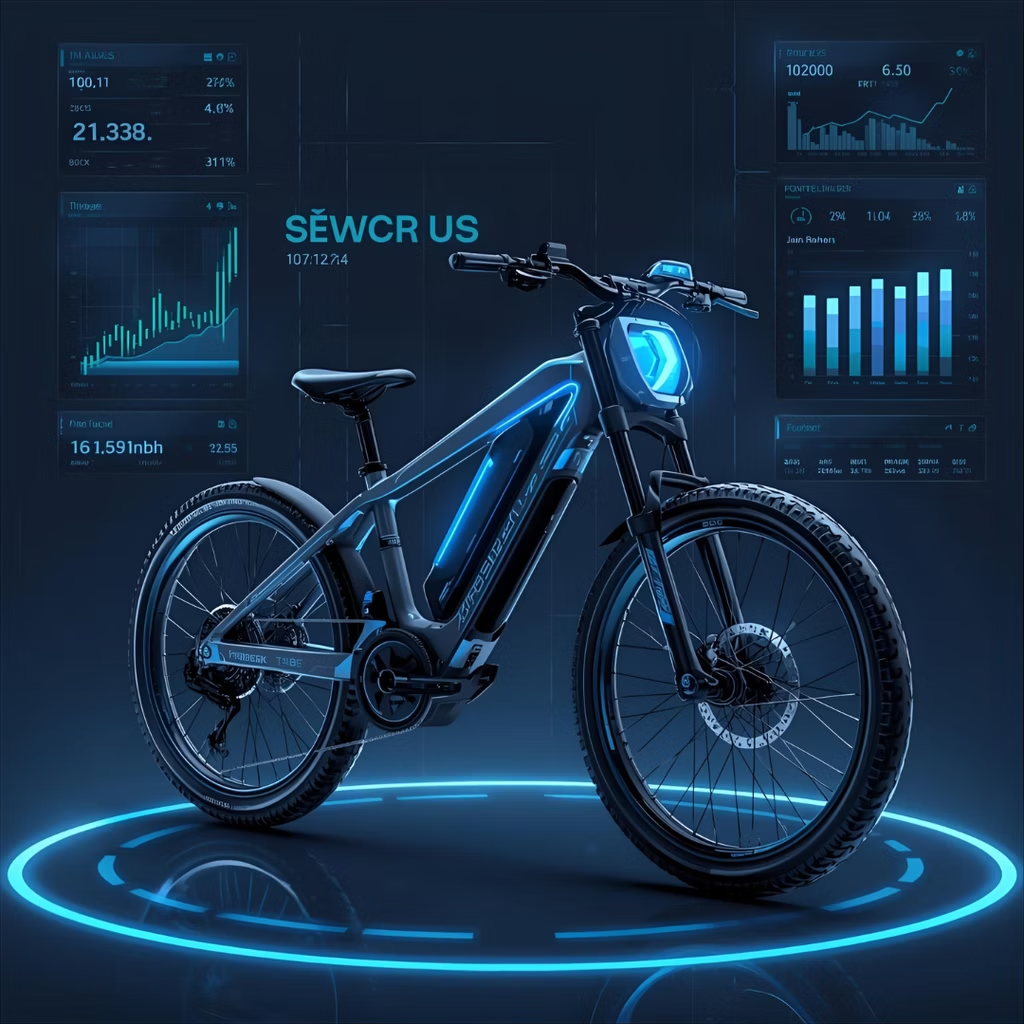
Factors Affecting Your E-Bike’s Trade-In Value
When considering the trade-in value of your e-bike, several key factors come into play. Firstly, the age of the bike significantly affects its value; generally, newer models are more desirable as they come with the latest technology and features. Additionally, the overall condition of your e-bike, including its physical appearance and mechanical functionality, plays a crucial role. Bikes that show signs of wear and tear or have been poorly maintained will invariably fetch a lower trade-in value. Selecting a reputable e-bike trade-in program, like Eko Life‘s, can also ensure you receive a fair assessment based on these factors.
Another critical aspect that directly impacts e-bike trade-in value is the health of the battery, which is the heart of any electric bike. A well-functioning, high-capacity battery enhances the resale value, whereas older batteries that require replacement can drastically lower the price you receive. The model of your e-bike also matters; sought-after brands or models with a solid reputation often retain value better than less popular ones. By understanding these elements, you can strategically optimize your trade-in experience, yielding the best value for your upgrade towards a more sustainable ride.
Navigating Eko Life’s Trade-In Program
Eko Life’s trade-in program is designed to provide a seamless experience for those looking to upgrade their e-bikes while ensuring they get the best value out of their current ride. To begin the process, participants simply need to evaluate their existing e-bike based on age, condition, model, and battery health, as these factors significantly influence the trade-in value. Once these details are assessed, users can visit Eko Life’s website or one of their physical locations to initiate a trade-in request. From there, Eko Life professionals will help evaluate the bike and provide a competitive offer, all while giving participants insights on how they can recycle or refurbish their old model in an eco-friendly manner. This step not only highlights Eko Life’s commitment to sustainability but also ensures that users are informed about what their e-bike is worth in the current market.
Participating in Eko Life’s trade-in program comes with numerous benefits, including the opportunity to enjoy a reduced price on a new upgrade, thus making the shift to a more advanced e-bike more accessible. To ensure a smooth transaction, individuals are encouraged to prepare their e-bike for inspection by cleaning it and making minor repairs if needed. Additionally, retaining any original accessories can further enhance the bike’s appeal. By taking these steps, participants can fully leverage their trade-in experience while contributing to a sustainable approach to cycling, ultimately paving the way for a more eco-conscious future.
How to Choose Your Next E-Bike Upgrade
Choosing the right e-bike upgrade after a trade-in is an essential step for any cyclist looking to enhance their riding experience. First, consider your specific cycling needs: Are you looking for a faster commute, rugged off-road capabilities, or a versatile model that can handle both? Familiarize yourself with the latest features such as battery longevity, motor power, and smart technology integrations like GPS tracking or ride analytics. The market is constantly evolving, with new models that offer improved ergonomics, advanced safety features, and even eco-friendly materials, making it crucial to research how these upgrades align with your lifestyle and riding style before making a purchase.
Next, evaluate your current e-bike’s trade-in value, taking into account elements like age, condition, model, and battery health, as these factors will play a significant role in your budget for the upgrade. Don’t hesitate to utilize trade-in programs, such as Eko Life’s, which facilitate a smoother transition by providing fair value for your old ride. By keeping abreast of the top-performing models in the market and their associated innovations, you can ensure that your next e-bike is not just an upgrade in brand name, but a true enhancement to your overall cycling experience.
Sustainability Beyond Trade-Ins: The Bigger Picture
Sustainability in the realm of transportation extends far beyond the mere act of trading in an e-bike. The broader implications of this practice suggest a substantial impact on the environment as consumers engage in a cycle of upgrading their rides. Each trade-in presents an opportunity to not only recover value but also to promote greener alternatives and reduce waste causing harm to our planet. When cyclists opt for trading in older models rather than discarding them, they contribute significantly to waste reduction. E-bikes, designed for longer lifespans and usability, when exchanged rather than thrown away, can have their parts repurposed or recycled, further lessening the ecological footprint of transportation options. It’s a cycle of sustainability that benefits everyone involved, as manufacturers and consumers alike become more mindful of their consumption habits.
Further emphasizing the importance of sustainability, upgrading to newer e-bike models can lead to more energy-efficient developments that have a lower carbon output. As technology advances, newer models typically utilize better battery systems and materials that have less impact on the environment. By actively participating in the e-bike trade-in process, consumers are not only enhancing their personal commuting experience but also investing in a greener future. Embracing such practices fosters a community of responsible cycling, ultimately steering the transportation narrative towards more sustainable choices and innovations that inspire others to follow suit.
Embrace the Future: Smart Upgrades and Sustainable Living through E-Bike Trade-Ins
As we have explored in this guide, e-bike trade-ins can be a smart and sustainable choice for riders looking to upgrade their models without breaking the bank. By understanding the trade-in value of your current e-bike and researching potential upgrades, you can make informed decisions that not only maximize the benefits of your investment but also contribute positively to the environment. With the growing popularity of e-bikes, the market is ripe with opportunities for getting value back from your existing bike while embracing the latest technologies and improvements in sustainable transportation.
Ultimately, trade-ins and upgrades should align with your riding needs and lifestyle. Whether you’re looking for enhanced performance, improved features, or simply want to shift to a more eco-friendly model, the process can be both rewarding and seamless. So, take the time to evaluate your options, engage with local dealers, and step forward into a greener future with the right e-bike that fits your aspirations. Happy riding!
This blog really highlights why e-bike trade-ins are such a great idea, especially for those who want to keep up with new features and still care about the environment. I like how they explain the benefits clearly, like getting some value back for your old e-bike while also supporting sustainability. Good point on checking battery health and making small repairs to boost your trade-in value!
But isn’t upgrading and trading in every few years just creating more waste and encouraging over-consumption? How is that truly sustainable if everyone is always going for the latest model?
That’s a fair concern! But many trade-in programs ensure that old e-bikes are refurbished or recycled, not wasted. It’s about making smarter choices so bikes don’t end up in landfills.
True, but only if everyone follows the recycling. Some companies may still scrap older models as e-waste. We have to make sure the process is transparent.
Refurbishing is great if it’s accessible, but what happens to models which aren’t popular anymore? Are they really reused, or just thrown away quietly?
But what if someone’s old e-bike isn’t in good shape? Upgrading seems wasteful if the bike has years left, even with a trade-in scheme.
When an e-bike’s battery or parts are no longer efficient, an upgrade can mean less energy consumption overall. Trade-ins help put those parts to use instead of letting them go to waste completely.
Agree, but maybe programs should encourage maintenance first, upgrade only when really needed. That way it’s still eco-friendly.
I think the blog didn’t really discuss how fair the trade-in offers are. Some places lowball you a lot on trade-in prices, so it might not be as good a deal as selling on your own.
That’s true, but the blog did mention you can compare trade-in value vs selling yourself. For me, the convenience and eco options sometimes outweigh a slightly better price.
Convenience is good, but I still feel people should ask for breakdowns of how trade-in value is calculated. More transparency is better for trust.
Best to get a few offers from different shops or platforms first, so you know you’re not getting shortchanged.
Sometimes private selling is more worth it financially, but trade-ins are less hassle and include eco disposal which you don’t get selling direct. Just comes down to what you value more.
Yeah, time saved matters too. Some people just want a quick, responsible handover rather than dealing with buyers themselves.
Hi everyone, just a friendly reminder to stay on topic and discuss the pros, cons, and details of e-bike trade-ins and sustainability. Personal buying/selling stories are welcome if related to the blog’s themes.
I like how the blog talk about sustainability, not just about getting a new bike. Upgrading in eco-friendly way really makes sense nowadays, especially with so much waste everywhere.
Quite insightful lah! Never thought about how much difference the battery health can make when trading in. The tips on cleaning and small repairs before trade-in also quite useful!
If my e-bike model is quite old, will I still get a decent trade-in value, or is it better to just sell it myself?
Hi Mei Ling, even for older models, trade-in programs like Eko Life’s will still consider trade-in value based on your bike’s condition, battery health, and model. Sometimes you may get a better deal trading in with us than selling on your own, especially when you use the value towards an upgrade and help with eco-friendly recycling.