


Selecting an electric scooter can be a game changer for the elderly, allowing them to regain a sense of freedom and accessibility. As our loved ones age, their mobility may become restricted, making it essential to find the right means for them to maintain independence and enjoy an active lifestyle. With various options available, including electric wheelchairs, 3-wheel and 4-wheel mobility scooters, and PMD electric scooters, it’s important to consider the specific needs and preferences of the user. In this ultimate guide, we will walk you through the key features and benefits of each type, ensuring you make an informed decision that enhances the mobility and quality of life for the elderly.
Understanding Mobility Needs of the Elderly
Understanding the mobility needs of the elderly is crucial when selecting an electric scooter. As seniors age, they may encounter various physical challenges, including limited strength, balance issues, and reduced stamina, which often restrict their ability to walk long distances. Therefore, it’s essential to choose an electric scooter that complements these mobility limitations while providing freedom and independence.
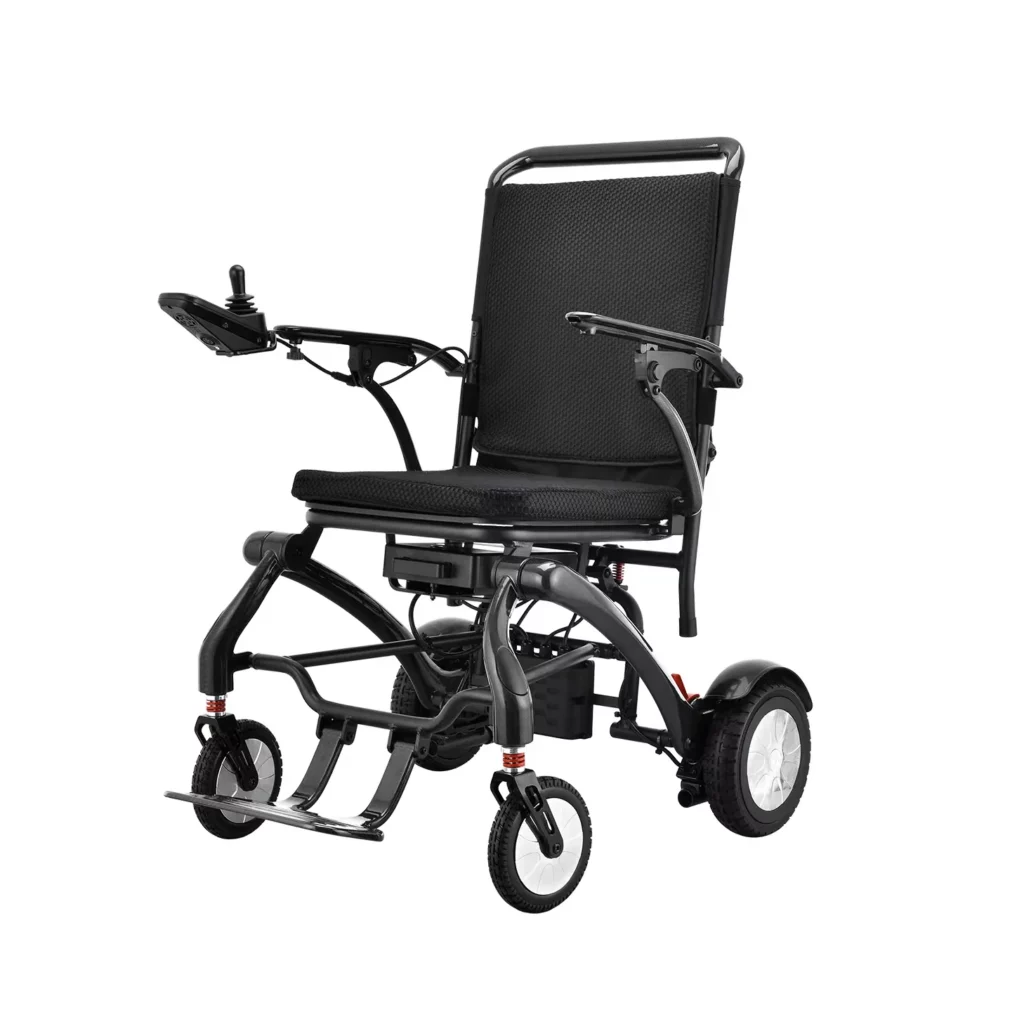
For those who have significant mobility restrictions, options like electric wheelchairs, such as the eDegree EW2, can be highly beneficial. This lightweight, HSA-approved device allows easy control, maneuverability, and the flexibility to travel overseas, ensuring the elderly can maintain a social life and engage in outdoor activities comfortably.
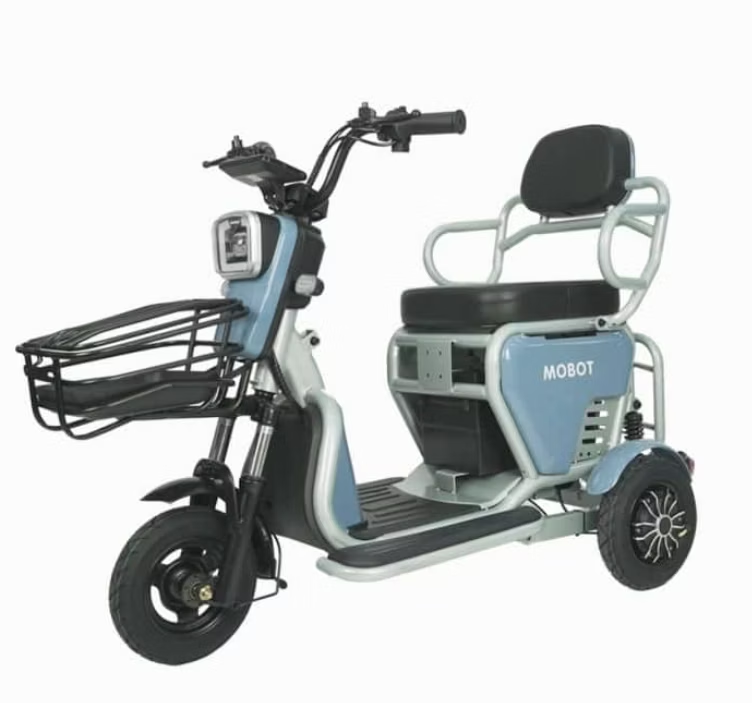
Conversely, for seniors who still possess some mobility but require assistance for longer distances, a 3-wheel or 4-wheel mobility scooter may be a better choice. These scooters are bulkier and heavier but designed for stability and comfort on longer trips. However, it’s crucial to be aware of illegal mobility scooters in the market, such as those that are high-powered or designed for two seats.
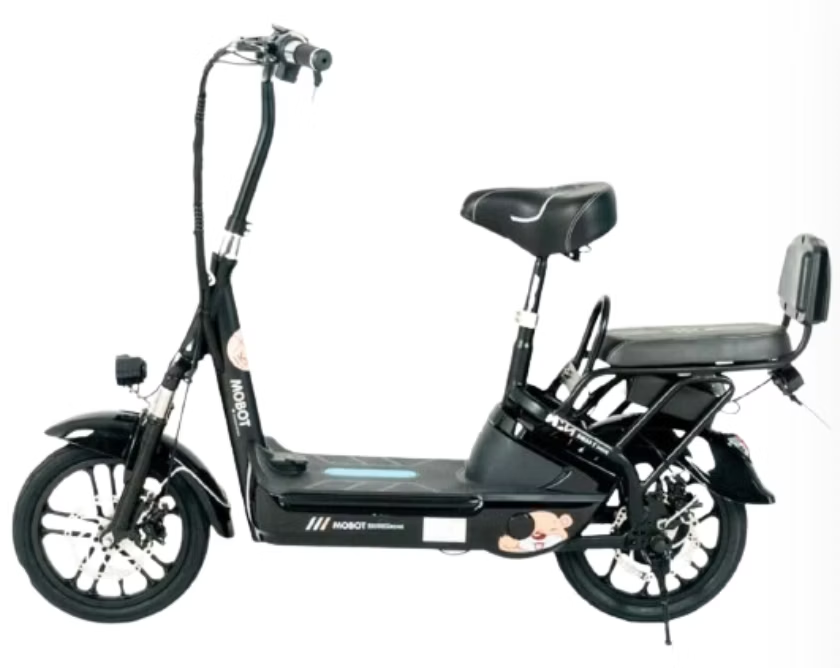
Lastly, Personal Mobility Devices (PMDs) like the Mobot EV and eDegree FS1 are excellent options for able-bodied seniors seeking an easy means of transport on cycling paths and park connectors. Each option must align with the elder’s specific needs to promote a fulfilling and active lifestyle while ensuring safety and compliance with local regulations.
Electric Wheelchairs: The Best Choice for Restricted Mobility
Electric wheelchairs are often considered the best choice for elderly individuals with restricted mobility. These devices are designed for easy control and maneuverability, making them ideal for those who may struggle with traditional walking aids. Electric wheelchairs provide a level of independence that allows users to navigate both indoor and outdoor environments with confidence.
A great option is the eDegree EW2, which is not only one of the lightest electric wheelchairs available but is also HSA approved for use in Singapore, ensuring safety and reliability. Their compact design allows for convenient transport, making it possible for users to travel overseas without hassle. In addition to their ease of use, electric wheelchairs also offer a range of features that enhance the user experience. They often come equipped with comfortable seating and adjustable controls, which can cater to various physical needs.

This makes electric wheelchairs particularly suitable for elderlies who cannot walk far and require assistance in their daily routines. As technology continues to advance, these scooters are becoming more user-friendly and accessible, providing a vital resource for maintaining mobility in the aging population. Choosing an electric wheelchair is a step towards enhancing the quality of life for those dealing with mobility challenges.
Exploring 3-Wheel vs 4-Wheel Mobility Scooters
When it comes to choosing between 3-wheel and 4-wheel mobility scooters for the elderly, understanding their unique features is essential. 3-wheel scooters are generally more maneuverable and less compact, making them ideal for general outdoor usage. However, the 4-wheel mobility scooters offer greater stability and balance, which is especially crucial for older adults with limited mobility or those who may sway while seated. The increased wheelbase of 4-wheel scooters can also provide a more comfortable ride over uneven surfaces and longer distances, making them an excellent choice for outdoor excursions or visits to larger venues.
Both types of mobility scooters have their benefits. Elderlies often need to consider their personal mobility needs, the environment they plan to use the scooter in, and their comfort level with operating larger vehicles. While 3-wheel models are suitable for short distances and tight spaces, 4-wheel scooters are often better suited for longer journeys or outdoor use. Ultimately, the decision between a 3-wheel and 4-wheel mobility scooter should be guided by lifestyle, mobility requirements, and safety needs, ensuring that the user remains independent and active while navigating their daily life comfortably.
Safety Considerations in Choosing an Electric Scooter
When selecting an electric scooter for the elderly, safety should be a paramount consideration. Electric wheelchairs, such as the eDegree EW2, offer excellent maneuverability and ease of control, making them a preferred choice for individuals with restricted mobility. These devices are designed to provide a stable and secure riding experience, allowing seniors to navigate their environment safely. Additionally, they can be easily transported overseas, making them versatile for travel. It’s crucial to ensure that the wheelchair complies with safety standards and, in particular, the HSA approval in Singapore to guarantee reliability and safety for the user.
On the other hand, mobility scooters—whether they are 3-wheel or 4-wheel models—are bulkier but serve well for those who cannot walk far. However, it’s essential to avoid illegal and unsafe variants that are commonly marketed as high-powered, two-seater mobility scooters. These can pose significant risks given their lack of regulation.
Furthermore, Personal Mobility Devices (PMDs) offer an excellent alternative for more abled seniors, as they are allowed on cycling paths and park connectors, enhancing their mobility without compromising safety. Regardless of the option chosen, adhering to safety guidelines and regulations will help ensure a safe and enjoyable experience for elderly users.
PMD Electric Scooters: A Stylish Transport Option for Active Seniors
PMD electric scooters present a stylish and practical transport option for active seniors looking to maintain their independence. These devices are particularly appealing for able-bodied elderly individuals who require a convenient way to navigate local paths and cycling routes. Models like the Mobot EV and eDegree FS1 offer versatility in design and functionality, with some designed for easier handling and others boasting extended range, making them suitable for various lifestyles.
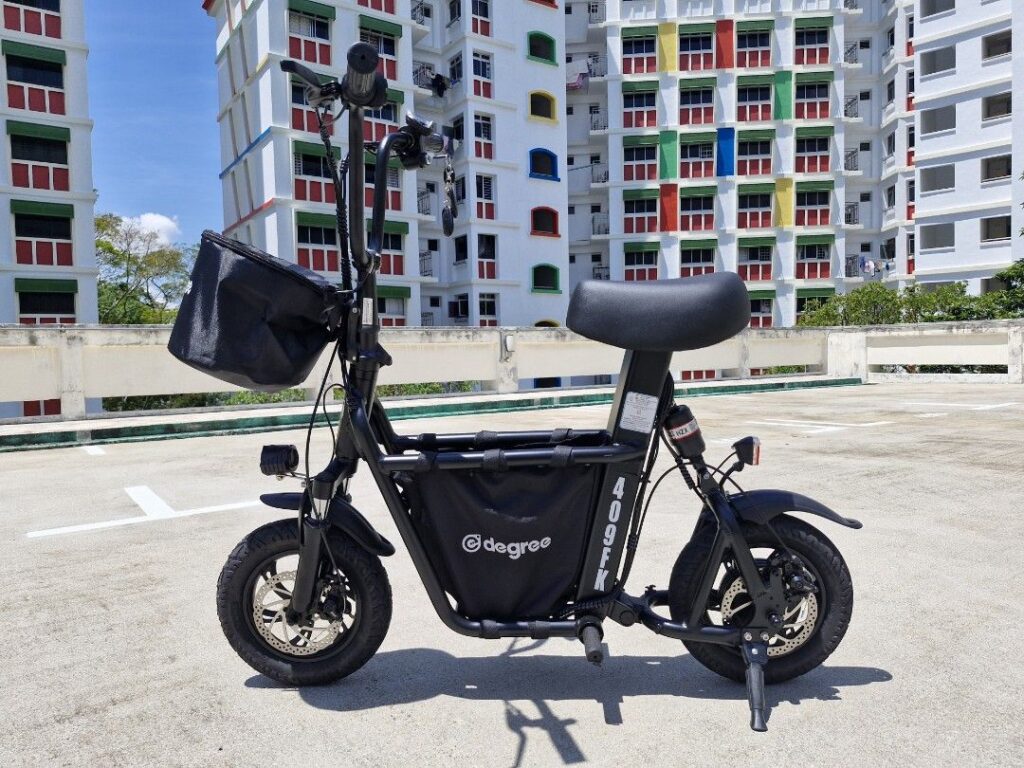
Since PMD electric scooters are allowed on cycling paths and park connectors, they enable seniors to enjoy outdoor activities while remaining mobile and engaged in their communities. However, while considering a PMD electric scooter, it is important to ensure it complies with local regulations, as legal PMDs must adhere to specific requirements. Seniors should look for models that prioritize comfort, safety features, and battery life to ensure an enjoyable ride.
Avoiding illegal high-powered options or 2-seater scooters is vital, as these can pose safety risks and legal complications. With the right choice, a PMD electric scooter can help seniors stay active, providing an effortless means of transport that enhances their mobility and contributes to an active lifestyle.
Legal Regulations Surrounding Electric Scooters for the Elderly
When considering electric scooters for the elderly, it is essential to be aware of the legal regulations that govern their use. Different types of electric scooters come with specific requirements that must be met to ensure safety and compliance with local laws. For instance, Personal Mobility Devices (PMDs), including electric scooters, are permitted on cycling paths and park connectors in Singapore. These devices cater to the needs of more abled elderly individuals, allowing them to navigate outdoor areas easily, provided they conform to regulations established by the Land Transport Authority (LTA). Additionally, smaller PMDs like the eDegree FS1 must meet certain technical specifications to be deemed legal for use on public paths.
On the other hand, electric wheelchairs also have their own set of guidelines. Models like the eDegree EW2 are HSA-approved and recognized for ease of control and mobility in various environments. While three-wheel and four-wheel mobility scooters provide effective means of transportation for elderly individuals who are less mobile, potential users must ensure they do not acquire illegal models, which might be overpowered or designed for two passengers. By understanding these regulations, seniors and caregivers can effectively choose electric scooters that meet both their mobility needs and comply with the law.
Empowering Mobility with the Right Electric Scooter
Choosing the right electric scooter for the elderly can significantly enhance their independence and overall quality of life. Whether it’s opting for an electric wheelchair like the eDegree EW2 for those with restricted mobility, or a 3-wheeled scooter for those needing a bit more stability and support, the key is to identify the specific needs and capabilities of the user. Each option serves a unique purpose, ensuring that elderly individuals can enjoy their preferred activities while feeling secure and mobile.
As the market for electric scooters continues to evolve, it’s crucial to remain informed and cautious, especially regarding the pitfalls of illegal mobility scooters. With the right choice, families can provide their elderly loved ones with the freedom to move around safely, whether it’s on cycling paths with a PMD scooter or navigating through crowded spaces with a reliable mobility scooter. Embracing electric scooters not only provides practical solutions to mobility challenges but also fosters an active, engaged, and fulfilling lifestyle for the elderly.
This guide provides a comprehensive overview of the different options available for elderly individuals, which is really helpful for families who are looking to get a suitable electric scooter for their loved ones.
We’re glad you found our guide helpful, Gloria! At Eko Life, we understand the importance of providing elders with accessibility and mobility. We’d be more than happy to assist you and your family in finding the perfect electric scooter for your loved ones. If you have any further questions or concerns, please don’t hesitate to reach out to us at [email protected] or +65 6589 8877.
It’s great that the blog highlights safety considerations and legal regulations. Families should not forget to check for compliance with local laws to avoid any issues.
Thank you for highlighting the importance of checking local laws for compliance, Kevin! At Eko Life, we believe in empowering families with the knowledge to make informed decisions about their loved ones’ mobility needs. Our e-mobility products are designed with safety and accessibility in mind. If you have any questions or concerns about our products or services, please don’t hesitate to contact us at [email protected] or +65 6589 8877. We’re happy to help!
The guide emphasizes the importance of understanding the mobility needs of the elderly, which I think is very crucial. Each individual’s requirements are unique, and a personalized approach can make all the difference.
I like that the blog also talks about how important comfort and user safety are, not just the scooter’s features. My grandma needs something stable yet easy to manage, so your explanation is very helpful.
This guide does a fantastic job at breaking down the different electric scooter options for the elderly, making it much easier to match the right scooter to personal needs. I like that it not only covers electric wheelchairs and scooters, but also talks about unique features, legal regulations, and safety standards for Singapore. For families, this information is super useful in empowering our elderly loved ones, ensuring they have more independence without risking safety or falling foul of the rules.
As someone with elderly parents, I appreciate the focus on user comfort and explaining when certain scooters are more suited for restricted mobility. The clear comparison between 3-wheel and 4-wheel models is really practical too, especially for those unsure where to start. The guide is a great resource for anyone wanting their family members to stay active and mobile.
Isn’t there also a risk that too much focus on electric scooters might discourage the elderly from maintaining their own mobility as long as possible? What about options or advice for people who want to keep walking with support, instead of jumping straight to a scooter?
The guide mainly covers scooters, but I think it assumes users already have significant mobility issues. For those still able to walk, maybe combining light scooter use with physiotherapy can help slow down muscle loss. More balance between both would definitely help.
I feel like doctors and therapists should be involved too, not just scooter sellers. That way elderly can have a full mobility plan.
Maybe next time the author can add a section about when it’s best to switch from walking aids to electric scooters. That would help families feel more secure in their decision.
Some elderly just find walking tiring, even with support. At least the scooters offer a way for them to join family outings without getting left out.
While the guide is thorough, I worry that some of the recommended scooters, especially PMDs, may still be too risky for some seniors. Things like uneven pavement and crowded paths could make even a well-regulated scooter less safe. Did the guide mention anything about training or support for elders who aren’t used to using such devices?
That’s a fair point, Yusuf. The guide does remind readers to consider safety and comfort first, and it highlights compliance with local laws, but it doesn’t seem to go deep into training. Maybe there’s an opportunity to add info on scooter orientation or workshops for seniors, which could help minimise risks even more.
Adding a mandatory test could be helpful, like taking a quick skills check or even just practising in a safe space before using the scooter outside. That might boost everyone’s confidence.
I agree, orientation is important. My aunt fell once because she wasn’t used to the speed of the PMD. Maybe retailers should offer some basic safety lessons with each sale.
Training’s great but sometimes it’s the road conditions that are the main problem. Maybe more should be done with path maintenance so seniors have smoother rides.
Hi all! Friendly reminder to keep comments focused on the topic of electric scooters for elderly mobility. If the discussion moves too far into healthcare or path regulations, please start a separate thread. Thanks for sharing your perspectives and keeping things constructive!
My father is quite tall and big sized. Will most electric scooters for the elderly support his weight and provide enough leg room?
Thank you for your question, Wei Hoon. Most electric scooters for the elderly, especially 4-wheel mobility scooters and electric wheelchairs like the eDegree EW2, come in models designed to handle higher weight capacities and offer extra leg room. It’s important to check each model’s specifications for maximum load and dimensions, and our team at Escooter Singapore can help recommend the most suitable options for your father’s needs.
I appreciate the detailed breakdown between the different scooter types. Sometimes it’s quite confusing with so many options out there, so this guide really helps to clarify what suits which need best.