


Singapore is a bustling metropolis known for its efficient public transport system and a forward-thinking approach to LTA compliant sustainable mobility. As the city-state embraces electric bicycles, or ebikes, it has also introduced regulations to ensure that all ebikes used for commuting align with the Land Transport Authority (LTA) guidelines. This guide aims to help you navigate the world of LTA compliant ebikes, making your commuting effortless and environmentally friendly. Whether you’re considering purchasing a new ebike or are just looking to understand the regulations better, knowing what’s compliant will enhance your riding experience and keep you informed of the latest developments in the ebike landscape. In this post, we will explore the essential features of LTA compliant ebikes, delve into the rules governing their use in Singapore, and highlight the benefits of switching to an ebike for your daily commute. Additionally, we will cover some of the top LTA compliant ebike models available on the market, ensuring you make an informed choice that meets both your commuting needs and regulatory requirements. So, get ready to pedal your way to a smarter commute while contributing to a greener Singapore!
Understanding E-Bikes: A Primer
E-bikes, or electric bicycles, are a modern mode of transport that integrate traditional cycling with electric propulsion, offering a versatile means of commuting. These bikes typically consist of a battery, motor, and controller, enabling riders to engage the motor for assistance, especially when tackling inclines or during long rides. Unlike traditional bicycles, which rely solely on human pedaling, e-bikes provide a boost, allowing for less strenuous travel even over long distances. This makes them particularly appealing in bustling urban environments like Singapore, where navigating traffic can be a tedious affair. Understanding the basic components and functionality of e-bikes sets the stage for appreciating their benefits in daily commuting scenarios, particularly in complying with the Land Transport Authority’s regulations for safe operation on public roads. The appeal of e-bikes extends beyond convenience; they serve as an eco-friendly alternative to cars and public transport, helping to reduce emissions and lessen congestion on the streets. As commuters face the challenges of crowded MRTs and traffic jams, e-bikes present a viable solution that marries efficiency with sustainability. With the right knowledge of what e-bikes are and how they compare to traditional bicycles, you can transition into this innovative mode of transport, making your daily journeys not just easier, but also contributing positively to the environment with every ride. Embracing an LTA compliant e-bike means navigating Singapore’s streets with confidence and style, ready for the future of urban commuting.
The Benefits of E-Bikes for Commuting
E-bikes have rapidly gained popularity as a viable solution for commuting in Singapore, and for good reason. One of the primary benefits is the significant reduction in travel time compared to traditional transport methods. With the ability to maneuver through traffic and bypass congested areas, e-bikes allow commuters to reach their destinations more quickly and efficiently. This not only saves time but also contributes to a less stressful daily routine. Moreover, e-bikes are ideal for short distances, making them an excellent option for those who work within city limits or need to commute to local destinations effortlessly, thereby also promoting a healthier lifestyle through regular cycling activity. In addition to saving time, e-bikes help ease congestion and reduce the overall carbon footprint of urban commuting. By choosing an LTA compliant e-bike over a car or public transportation, riders are taking an active step towards a more sustainable future. Not only does this choice lessen the number of vehicles on the road, but it also reduces air pollution, contributing to a cleaner environment in Singapore. As cities around the world strive to meet sustainability goals, every little effort counts, and e-bikes present a practical and eco-friendly alternative for daily commuters looking to make a positive impact on their surroundings.
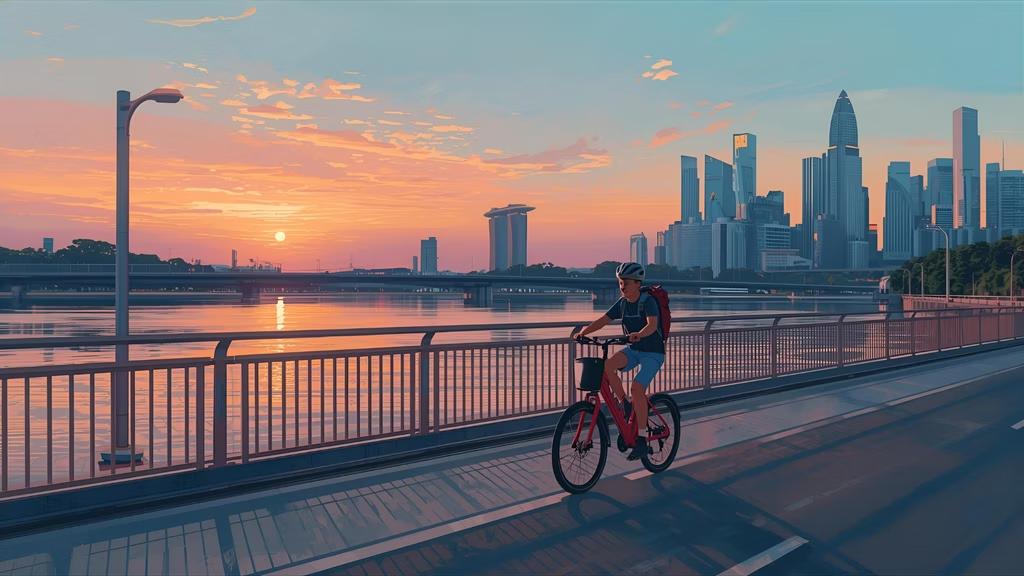
LTA Regulations: What You Need to Know
Understanding the regulations set by the Land Transport Authority (LTA) is essential for every e-bike user in Singapore. These regulations are designed to ensure safety on the roads as well as to promote responsible riding habits. For instance, LTA compliant e-bikes must not exceed a maximum speed of 25 km/h and must be equipped with specific safety features such as lights, bell, and reflectors. Compliance is not just a matter of adhering to laws; it is also about protecting your wellbeing and that of other cyclists and pedestrians. Riders who ignore these rules can face serious penalties, including hefty fines or even confiscation of their e-bikes, highlighting the importance of being knowledgeable about these regulations before hitting the roads. Moreover, complying with LTA regulations enhances your riding experience by providing a safer environment for everyone. Knowing the legal requirements means you can enjoy your rides without the fear of repercussions. As you navigate through Singapore’s vibrant streets, being aware of these guidelines helps ensure a smooth and enjoyable commute. Remember, an LTA compliant e-bike is not only a legal requirement but a testament to your commitment to safety and sustainability in urban transport. Embrace the regulations to fully benefit from what e-biking has to offer in our bustling city.
Choosing the Right LTA Compliant E-Bike
Choosing the right LTA compliant e-bike is crucial for ensuring a smooth and enjoyable commuting experience in Singapore. When selecting an e-bike, consider the type of battery it uses. Lithium-ion batteries are the most common as they offer a good balance of weight, charging speed, and longevity. Additionally, examining the motor wattage is equally important; LTA regulations stipulate that e-bikes should not exceed 250 watts for the motor’s continuous power output. This ensures that your ride adheres to safety standards while still providing you with sufficient power for daily travels. Lastly, pay attention to design features such as frame size, wheel type, and folding capabilities, which can significantly influence comfort and portability, particularly for those utilizing public transportation alongside their e-bike journeys. Equipped with the right knowledge, you can make informed decisions tailored to your lifestyle and commuting needs. For instance, if you’re commuting over longer distances or navigating steep terrains, choosing an e-bike with a higher capacity battery may be beneficial. Conversely, if you plan to carry your e-bike onto public transport, a lightweight, foldable model could be the best fit. Remember, an LTA compliant e-bike isn’t just about adhering to regulations; it’s about choosing a reliable, practical solution that enhances your overall commuting experience in Singapore’s bustling landscape.
Real-Life Success Stories: Commuters Switching to E-Bikes
In the bustling city of Singapore, many commuters are turning to e-bikes as a reliable solution for their daily travel woes. Take the story of Jenny, a marketing executive who once spent at least two hours in traffic daily just to get to work. After making the switch to an LTA compliant e-bike, her commute has transformed into a breezy 30-minute ride. Not only has this saved her substantial time, but it has also significantly reduced her stress levels. Jenny speaks highly of the convenience and flexibility that comes with riding an e-bike, allowing her to navigate through congested areas with ease and enjoy the outdoors on her way to work. Her journey illustrates how e-bikes can serve as a gate to a healthier lifestyle and improved time management for busy professionals in the city. Another inspiring story comes from Thomas, a senior technician who used to rely heavily on public transport. The long waits and overcrowded trains often left him feeling drained. After switching to an e-bike, he enjoys a newfound sense of freedom and physical activity, eliminating the hassle of irregular bus schedules and packed MRT rides. Thomas shares how he not only reaches his workplace faster but also finds joy in exploring new routes and local parks during his rides. Stories like Jenny’s and Thomas’s resonate deeply with potential e-bike commuters as they highlight the significant lifestyle enhancements and practical benefits that LTA compliant e-bikes can offer. Their successes advocate for e-bikes as a game-changing alternative for anyone seeking more efficient and enjoyable commutes in Singapore.
Join the E-Bike Revolution: A Smart Choice for Future Commuting
In conclusion, navigating Singapore with LTA compliant e-bikes can dramatically enhance your commuting experience. By understanding the regulations, features, and benefits of these bikes, you can make informed choices that align with both your lifestyle and the legal framework. Embracing this greener mode of transport not only contributes to a healthier urban environment but also provides a practical and enjoyable way to traverse the city’s bustling streets. Remember to prioritize safety, follow the designated pathways, and respect other commuters to ensure a smoother ride for everyone. Ultimately, investing in an LTA compliant e-bike is not just about convenience; it’s part of a broader movement towards sustainable urban mobility. As you embark on your journey through Singapore using these versatile bikes, you’ll find that the freedom and efficiency they offer can lead to a more enriching and fulfilling commuting experience. Start planning your route today, and unlock the potential of e-biking in one of the world’s most vibrant cities.
This blog really nails the appeal of LTA compliant e-bikes in Singapore! The way it breaks down both the must-know rules and the real benefits for daily riders makes e-biking feel accessible and worth a try, especially for those of us fed up with MRT crowds or road congestion. It’s encouraging to read about actual commuters like Jenny and Thomas who saw real-life improvements in their routines, health, and time management just by making the switch. Plus, the guide on choosing the right e-bike is super practical, so you’re not just buying blindly—you know what to look out for in terms of battery, weight, and compliance.
What I love most is how the post highlights sustainability without making it sound like a sacrifice. It frames e-bikes as an everyday, smart way to move around the city—and the LTA’s framework for safety shows that it’s a well-regulated scene, not just a passing trend. This kind of info is exactly what people need to get started on greener commuting!
It does sound great on paper, but isn’t the reality a bit more complicated? The blog barely talks about problems like rain, bike theft, or just the hassle of finding proper parking. Also, e-bikes aren’t cheap upfront—shouldn’t we be discussing if the investment pays off for everyone, not just a handful of commuters with ideal routines?
I get your concerns, but every commute method has trade-offs, right? E-bikes may cost more at first, but you save on public transport fares and time in the long run. For rain and theft, many models have waterproofing, and parking spots are getting better as demand grows—plus, you can get strong locks or bring foldable bikes indoors.
Even with locks, theft is an issue in some areas. And not every office lets you bring a bike in. Cost wise, maybe okay for those who commute every day—but what about those of us who use it less often?
Some employers have started to provide secure parking for bikes as more people switch over. About the cost, occasional riders might be better off renting or using shared e-bikes, which are slowly popping up here too.
Thanks for keeping the discussion pointed—can I remind everyone to stick to experiences or solutions related to LTA compliance and practical commuting in Singapore? Let’s keep personal stories or broader urban planning ideas for another thread!
I’m still not convinced e-bikes are that sustainable. Their batteries eventually need replacing and disposal, and electricity still has a carbon footprint. Doesn’t that reduce the real green benefit compared to just taking the MRT or riding a regular bike?
Sure, battery disposal is a real issue, but most batteries last several years, and some brands offer recycling programmes. While the MRT is greener overall, e-bikes help reduce congestion and work well for shorter or less connected trips—so both options have unique strengths.
Good point. If more people share or recycle batteries, it could balance out the environmental cost. Still, I’d like to see clearer info on long-term sustainability before making the switch.
Some government agencies are piloting battery recycling and e-waste collection. It’s slow progress, but it’s a move in the right direction!
Appreciate the eco perspectives! Let’s keep the conversation on practical ebike choices for commuting in Singapore and recognised LTA-compliance, rather than project sustainability metrics here. Thanks!
I like how you mentioned real stories from commuters, makes me feel more confident to try e-bikes for my daily work trip. Hope more people will consider this for a greener Singapore!
How should I maintain my LTA compliant ebike to keep it safe and reliable for daily use in Singapore’s weather?
To keep your LTA compliant ebike in good condition, regularly check your brakes, battery, and tires, and store your bike somewhere dry to avoid rust from rain. Escooter Singapore also recommends periodic servicing at a trusted shop to make sure all safety features stay in top shape for your daily commute.
Very helpful post for those of us thinking about getting an e-bike in Singapore. I always worry about the rules, so the LTA guidelines section really clear things up for me.