


Table of Contents
In the bustling urban landscape of Singapore, the importance of efficient and sustainable transportation has never been more crucial. With the rise of eco-friendly options, ebikes and electric scooters have emerged as popular choices among commuters seeking alternatives to traditional vehicles. This ultimate guide aims to unpack the nuances between ebikes and electric scooters, shedding light on their unique features, benefits, and which one might be the ideal choice for your daily commute in this vibrant city-state.
As urban mobility continues to evolve, understanding the distinctions between these two modes of transportation can significantly impact your travels around Singapore. From speed, range, and comfort to cost-effectiveness and infrastructure compatibility, our comprehensive comparison will help you make an informed decision. Whether you’re a thrill-seeker looking for a fast ride or a casual commuter preferring a more leisurely pace, this guide will explore every facet of ebikes and electric scooters to ensure you find the perfect fit for your urban adventures.
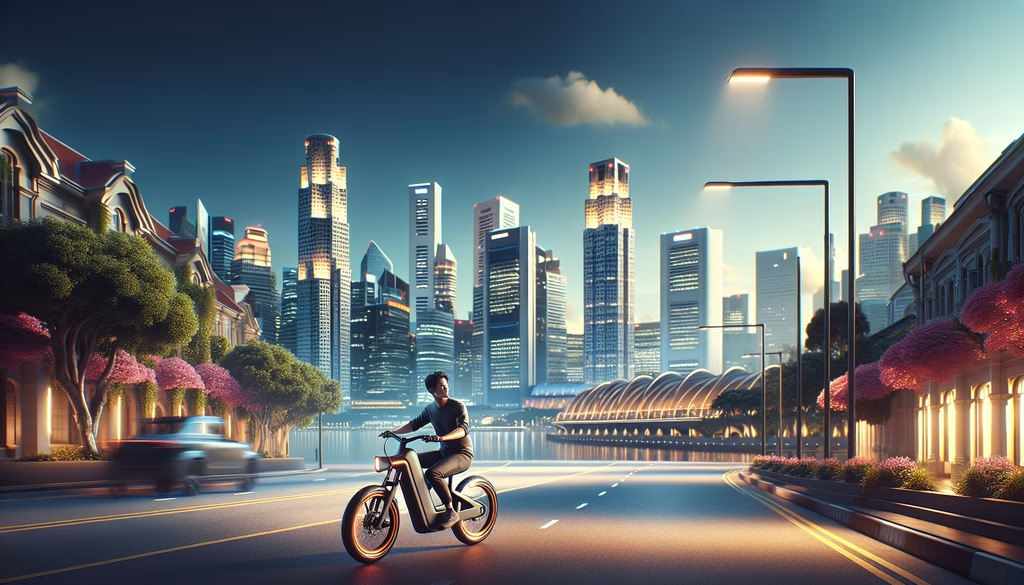
The Rise of Urban Mobility Solutions in Singapore
In recent years, Singapore has witnessed a significant surge in urban mobility solutions, driven by the need for efficient transportation methods in its densely populated landscape. With bus and train infrastructure reaching near capacity, residents are increasingly seeking alternatives that offer both convenience and sustainability. Ebikes and electric scooters have emerged as popular choices, catering to various demographics and commuting needs.
The local government has recognized this trend and actively promotes these mobility solutions as part of its broader initiative to reduce traffic congestion and carbon emissions, aligning with global sustainability goals. This has led to the establishment of dedicated lanes, parking spaces, and regulations aimed at fostering a safe environment for riders and pedestrians alike. As urban dwellers look for flexible and efficient ways to navigate through the city, the demand for ebikes and electric scooters continues to grow.
Ebikes offer a powerful ride ideal for longer distances and hilly terrains, appealing particularly to commuters looking to arrive at work without breaking a sweat. Meanwhile, electric scooters are perfect for short trips, providing a quick and easily portable option for navigating through the busy streets. By understanding the unique advantages of both e-bikes and e-scooters, residents can make informed decisions about which mode of transport best suits their lifestyles and local commuting patterns.
Understanding EBikes: Features, Benefits, and Usage
Ebikes, or electric bicycles, have emerged as a popular choice for urban commuters in Singapore who seek a practical and efficient mode of transportation. Defined by their integrated electric motors that assist with pedaling, ebikes are designed to enhance mobility without the need for extensive physical exertion.
Key features of ebikes include adjustable pedal assistance, allowing riders to customize their level of effort, and a range of battery options that cater to various commuting distances. Whether navigating through congested city streets or tackling hilly terrains, e-bikes provide a flexible solution that aligns with the dynamic lifestyle of Singaporeans.
One of the significant benefits of using an ebike is the reduction of travel time, making it ideal for residents with busy schedules. With the ability to bypass traffic jams and easily park, ebikes not only save time but also promote a healthier lifestyle by encouraging more outdoor activity compared to traditional transportation methods.
Additionally, their eco-friendly nature contributes to reducing carbon footprints in a densely populated urban environment like Singapore. As more commuters recognize these advantages, ebikes are increasingly becoming a cornerstone of sustainable urban mobility, directly competing with other alternatives such as e-scooters.
Electric Scooters: A Convenient Alternative for City Commuters
Electric scooters have rapidly emerged as a popular and convenient mode of transport for urban commuters in Singapore, thanks to their user-friendly design and lightweight build. With the ability to navigate through tight spaces and weave seamlessly through traffic, electric scooters shine in their practicality for short-distance travel.
Whether commuting to work, running errands, or simply enjoying a leisurely ride, these electric scooters provide an efficient solution that caters to the fast-paced lifestyle of city dwellers. Their compact size allows users to easily park them in small areas, ensuring that finding a parking spot is rarely a concern. The relatively low cost of operating and maintaining an electric scooter further adds to its appeal, making it an accessible option for a wide range of residents.
Moreover, electric scooters contribute to a more sustainable urban environment. By reducing reliance on cars and public transport for short trips, they help decrease traffic congestion and lower emissions, fostering cleaner air in the bustling streets of Singapore. As more designated cycling paths and scooter-friendly infrastructure are developed, the convenience of electric scooters is expected to grow, encouraging even more people to adopt them as their preferred choice for urban mobility. With the blend of ease, affordability, and sustainability, electric scooters are undeniably becoming a staple of modern commuting in the Lion City.
Comparing EBikes and Electric Scooters: Pros and Cons
When comparing ebikes and electric scooters, it’s important to evaluate their respective pros and cons based on key factors that affect urban mobility, particularly in a densely populated city like Singapore. Ebikes typically offer a higher speed range, making them a favored option for longer commutes. With top speeds often reaching 28 km/h, they allow riders to cover substantial distances quickly while benefiting from the ability to tackle inclines with ease.
However, ebikes can be costlier, with initial prices and maintenance expenses being higher than those of electric scooters. They often require more storage space and can pose challenges when it comes to parking in crowded urban areas. On the other hand, electric scooters present an attractive and affordable alternative for short-distance travel, with the average cost being lower and maintenance generally simpler.
They are lightweight and highly portable, which allows users to navigate through congested streets more easily. While they generally have lower top speeds (usually around 25 km/h), escooters can be an ideal choice for quick trips and errands.
However, riders must consider factors like battery range and safety; many escooters have shorter ranges and may lack the stability and comfort of ebikes on uneven surfaces. Ultimately, the best choice depends on individual commuting needs, preferences, and the specific urban landscape of Singapore.
The Regulatory Landscape: Laws and Guidelines for EMobility
In Singapore, the regulatory landscape for emobility is primarily governed by the Land Transport Authority (LTA), which has established a series of guidelines to ensure safety and efficiency for various modes of transport, including ebikes and escooters. The LTA categorizes these vehicles and imposes specific requirements on their design, construction, and usage. For instance, ebikes must not exceed a speed of 25 km/h and must be fitted with certain safety features, while escooters must comply with strict weight limits and be used only on designated paths.
Understanding these regulations is crucial for potential riders, as non-compliance can lead to fines or other legal repercussions, which can significantly impact one’s mobility experience in the city-state. Moreover, adherence to these laws not only keeps riders safe but also contributes to a harmonious coexistence with pedestrians and other road users.
By familiarizing themselves with these guidelines, individuals can make informed decisions about whether an ebike or escooter is better suited to their lifestyle and commuting needs in urban Singapore. Riders should also be aware of the various shared mobility initiatives being encouraged by the government, which promote the use of e-scooters as part of an integrated public transport system.
The LTA continues to adapt these regulations in response to the growing popularity of e-mobility solutions, ensuring that infrastructure, such as cycling paths and designated parking zones, evolve alongside these trends. Additionally, initiatives like the Active Mobility Advisory Panel provide platforms for public feedback on emobility policies, facilitating a collaborative approach to address concerns and enhance safety measures. As urban mobility continues to transform, staying informed about the evolving regulatory landscape becomes essential for individuals considering an eco-friendly mode of transport.
EBikes vs EScooters: Environmental Impact and Sustainability
When considering urban mobility in Singapore, the environmental impact of e-bikes and e-scooters is a crucial factor. Both electric vehicles represent a shift towards greener transportation options, reducing reliance on traditional, fossil fuel-powered vehicles. Ebikes, with their robust motors and ability to cover longer distances, encourage users to opt for cycling over driving, which plays a significant role in decreasing overall carbon emissions.
Similarly, escooters provide a convenient means for short trips, helping to reduce traffic congestion and lowering urban air pollution levels. As cities around the world grapple with climate change, the shift to these electric modes of transport can help contribute to a healthier and cleaner urban environment in densely populated places like Singapore. This not only aids in achieving sustainability goals but also promotes a culture of eco-friendly commuting among residents.
Moreover, the integration of renewable energy sources into charging stations further enhances the eco-friendliness of e-bikes and e-scooters. In Singapore, initiatives to harness solar energy for charging can significantly reduce the carbon footprints associated with recharging these vehicles. Supporting policies and infrastructure, like dedicated bike lanes and escooter sharing programs, encourage more individuals to choose these options over conventional vehicles. By fostering a culture of sustainable commuting, Singapore positions itself as a leader in urban mobility, making substantial contributions to both environment conservation and the quality of life for its citizens.
Making the Best Choice for Your Urban Commute
When it comes to choosing between an ebike and an escooter for your urban commute in Singapore, understanding your personal lifestyle and commuting needs is critical. Ebikes are often better suited for those who may need to travel longer distances, have steep routes, or require a faster mode of transport. They tend to have larger battery capacities, making them ideal for daily commutes across the city.
On the other hand, escooters are compact, lightweight, and easier to store, making them a great option for shorter trips or last-mile connectivity. Evaluating how frequently you’ll use your ride and the nature of your journey will help you make a more informed decision tailored to your individual requirements. Budget is another key consideration.
While ebikes can be more expensive initially, they often provide greater flexibility and can be cost-effective over time due to less reliance on public transport or taxis. Escooters, however, are generally more affordable up front but may require frequent battery replacements or maintenance. Think about both your financial comfort and the long-term investment benefits.
Ultimately, whether you choose an ebike or escooter, aligning your choice with your lifestyle, distance needs, and budget will ensure that you find the perfect fit for urban mobility in Singapore.
Embracing the Future of Urban Mobility in Singapore: Choosing Your Ideal Ride
In conclusion, both eBikes and eScooters offer unique advantages for urban mobility in Singapore, responding effectively to the fast-paced demands of city life. eBikes provide greater range and versatility, making them suitable for longer journeys and varied terrains, whereas e-Scooters excel in convenience and portability, particularly for short commutes and last-mile travel.
Ultimately, the choice between the two will depend on individual needs, preferences, and travel habits, ensuring a personalized urban mobility solution that fits seamlessly into the dynamic lifestyle of Singaporeans. As you consider your next move in urban transport, keep in mind the evolving regulations and infrastructure that support these modes of transportation.
Both eBikes and escooters are set to play crucial roles in improving the efficiency of urban mobility while promoting sustainable practices. By evaluating your specific requirements and weighing the benefits of each, you can make an informed decision that not only enhances your commuting experience but also contributes to a greener, more connected city. Embrace the future of commuting with the right choice for your journey!
Does using an ebike or escooter actually help save money in the long run compared to just taking MRT or bus daily?
Great question, Nurul! Over time, both ebikes and escooters can help you save money, especially if you’re a daily commuter. Besides avoiding recurring transit fares, you’ll also enjoy the flexibility of point-to-point travel and have fewer delays compared to public transport during peak hours.
I really appreciate how this guide explains not just the features of ebikes and escooters, but also the laws and the overall positive impact on Singapore’s environment. It’s great to see that the article goes in-depth on regulations, which is super important, especially for safety and making sure everyone can travel smoothly in the city. The attention to sustainability and how both options can lead to a cleaner and greener Singapore is very encouraging too!
Personally, I think both ebikes and escooters have a unique place in urban mobility, and this guide helps commuters figure out which one matches their lifestyle. Choosing an eco-friendly commute means less traffic jams, less air pollution, and more flexible ways to get around, which benefits all of us. Glad to see these options being highlighted as the future of city transportation!
I get what you mean, but don’t you think the laws are still quite complicated? Beginners might find it hard to even know if they can ride or park at certain places. All the regulations can be a real headache and turn people away from actually using ebikes or escooters regularly.
You raised a fair concern. But I think the rules are getting clearer over time and LTA is actively updating guidelines and putting up signs at most places now. It’s a learning curve, but the accessibility and info online make it easier for new riders to adapt. In the long run, those rules ensure everyone’s safety too.
Even with signs, there are still a lot of grey areas around certain paths and enforcement. Wouldn’t it be better if the guide included more real-world examples or a map to show where exactly you can ride or not ride?
Some older folks or expats might not know where to find those updates though. Maybe the guide could have a section with frequently asked questions or a summary chart for clarity.
Sometimes enforcement feels a bit inconsistent too. Like, got days where there are sudden checks, other days no one cares.
But do you think ebikes and escooters really make a significant difference for the environment? The batteries and production process can still cause pollution, so maybe people are overestimating how green these options actually are.
You’re right to point out batteries have an impact, but compared to constant car use, the emissions and overall pollution are still much lower. Plus, Singapore is starting to use more renewable energy for charging stations, so the environmental benefit will keep improving.
Let’s be realistic, though. Recycling of batteries remains a big problem and not everyone brings them for proper disposal. Maybe the authorities should step in more for battery collection.
It’s all about progress, I guess. No solution is perfect, but moving away from cars is at least a step in the right direction for city health and air quality.
Also, if demand grows too fast, infrastructure might not keep up, then the roads and charging points all get crowded and messy.
Hi all, just a gentle reminder to keep the discussion focused on the practical pros and cons of ebikes and escooters in Singapore. Let’s make sure we stay constructive and help each other share useful tips or experiences! If you have strong views on regulations, please refer to LTA’s official site for fact-checking.
Good breakdown between ebikes and escooters! I feel ebikes are a bit better for those who go longer distance but sometimes parking can be tricky in town.
I like how you explain the laws. Not everyone knows escooters cannot go everywhere in Singapore lah. But I still think for short trips, escooters win for sure.